Topnews
Tinubu, Nnaji, Adeosun Scandals Cited As US Government Labels Nigerian Officials ‘Notorious For Forging Documents’

ABUJA — In a development that has sent shockwaves through Nigeria’s political and diplomatic circles, the United States Citizenship and Immigration Services (USCIS) has delivered a blunt assessment of public integrity in Nigeria, formally telling a federal court that the country’s government officials are “notorious for forging documents.”
 Loading …
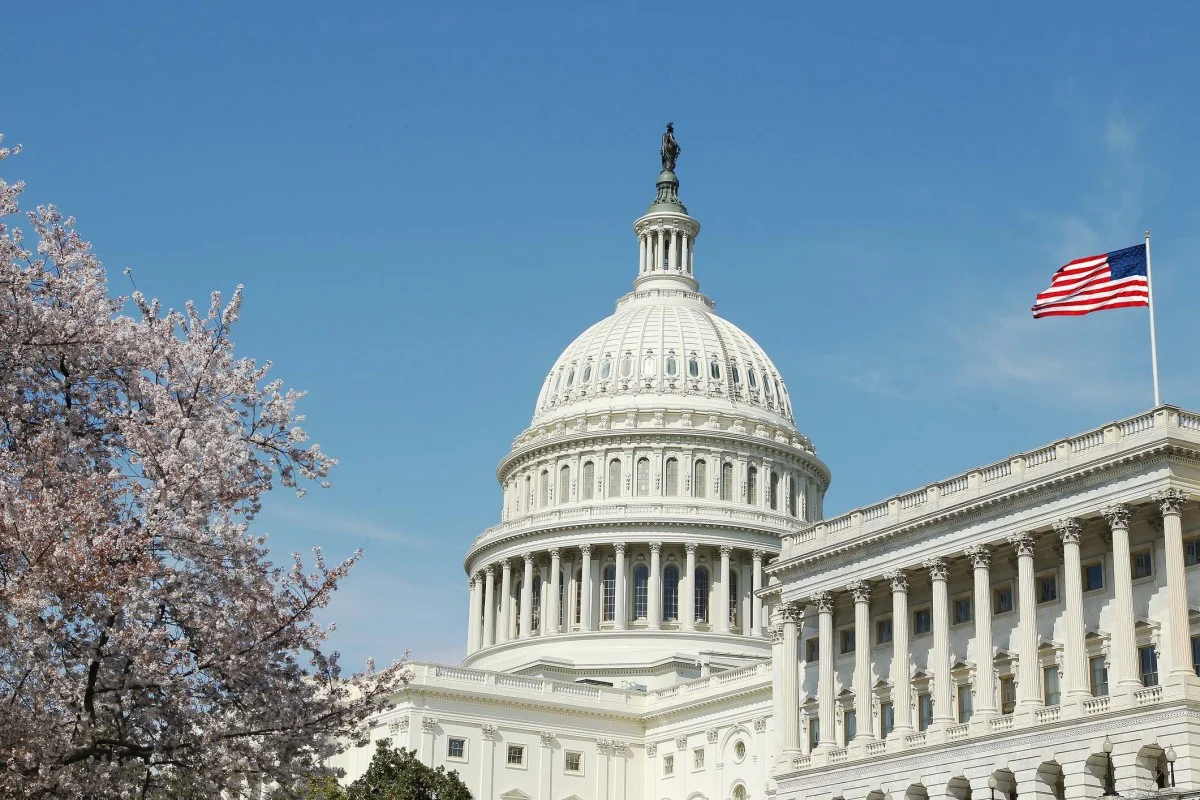
The damning assertion was disclosed in court filings by the U.S. immigration regulatory body during a legal proceeding at the U.S. District Court for the District of Rhode Island, as first reported by Peoples Gazette. The remark underscores growing international skepticism regarding the authenticity of official certifications and paperwork issued by Nigerian government institutions, heavily referencing the country’s long history of high-profile political certificate scandals.
The US Court Declaration: “Limited Credibility”
The U.S. government’s position was made clear in a declaration submitted by Angelica Alfonso-Royals, the Deputy Director of USCIS. Defending the agency’s strict screening and vetting policies that had placed a temporary hold on immigration benefits for nationals from Nigeria and 38 other countries, Alfonso-Royals explicitly singled out Nigeria’s public officialdom for a lack of integrity.
“Nigerian documents also have limited credibility due to corruption. In Nigeria, it is common for government officials to falsify records,” Ms. Alfonso-Royals stated under oath.
She further noted that key life events such as births, deaths, marriages, and divorces are rarely recorded in formal government databases at the time they occur, creating an ecosystem where records are poorly kept, non-existent, or easily manipulated when eventually needed.
The Political Context: From Tinubu to Nnaji
The USCIS statement arrives as a direct validation of long-standing domestic concerns regarding certificate forgery among Nigeria’s ruling elite. Over the years, several prominent politicians have faced intense scrutiny over the authenticity of their credentials:
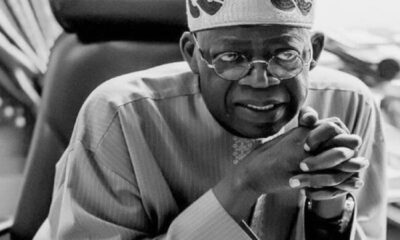
- President Bola Tinubu: During the aftermath of the 2023 presidential election, opposition candidate Atiku Abubakar sought legal clearance from a U.S. court to subpoena Chicago State University (CSU) to verify President Tinubu’s academic records, sparking a fierce international legal battle over alleged background inconsistencies before the Nigerian Supreme Court ultimately dismissed the evidence.
- Geoffrey Nnaji: More recently, the former Minister of Innovation, Science, and Technology, Uche Geoffrey Nnaji, was forced out of office following a media exposé revealing he had allegedly forged both his National Youth Service Corps (NYSC) discharge certificate and his Bachelor’s degree from the University of Nigeria, Nsukka (UNN) prior to his Senate screening.
- Kemi Adeosun: The international community also remembers the high-profile exit of former Finance Minister Kemi Adeosun, who resigned from office after it was discovered she had submitted a falsified NYSC exemption certificate.
Diplomatic and Structural Implications for Citizens
Diplomatic analysts warn that formal, on-the-record statements from agencies like the USCIS will have severe consequences for ordinary Nigerians seeking international travel, business visas, or permanent residency status abroad.
With the U.S. government explicitly pointing to systemic political corruption and forgery as a national security risk to their own immigration system, honest Nigerian citizens are expected to face deeper scrutiny, extensive background delays, and an uphill battle proving the legitimacy of basic civil documents.
Civil society groups are capitalizing on the viral report to mount fresh pressure on the federal government to thoroughly digitize and secure all state databases—including court registries, the National Population Commission, and educational institutions—to restore international trust in Nigeria’s official paperwork.
Related