Topnews
Why The Tinubu Administration Struggle To Contain Worsening Violence In The Middle Belt And South-West

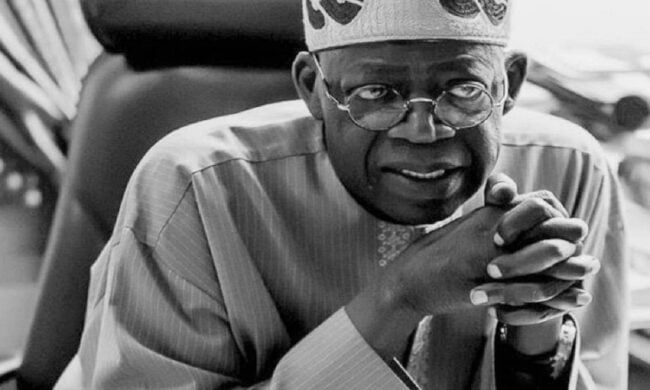
ABUJA — Despite declaring a nationwide security emergency and ordering consecutive structural interventions within the armed forces, President Bola Ahmed Tinubu’s administration continues to face heavy criticism over its inability to decisively crush armed militancy, kidnapping, and terror networks operating across Nigeria’s Middle Belt and South-Western regions.
 Loading …
Data from the 2026 Global Terrorism Index, which ranks Nigeria as the world’s fourth most terrorism-affected nation following a 43 percent surge in domestic terror incidents, has intensified the pressure. Just recently, the Southern and Middle Belt Leaders Forum (SMBLF) issued a joint communique demanding a total “national security emergency” and the establishment of special courts to handle the widening scope of the crisis.
For readers of 247ureports, political analysts and defense experts have broken down the precise operational, economic, and structural bottlenecks rendering the federal government’s security apparatus ineffective in these two critical regions.
1. Chronic Overstretch of the Nigerian Military
The core flaw in Nigeria’s current defensive layout is the severe overstretch of its armed forces. The Nigerian military, totaling roughly 230,000 active personnel, is currently deployed in combat operations across all 36 states.
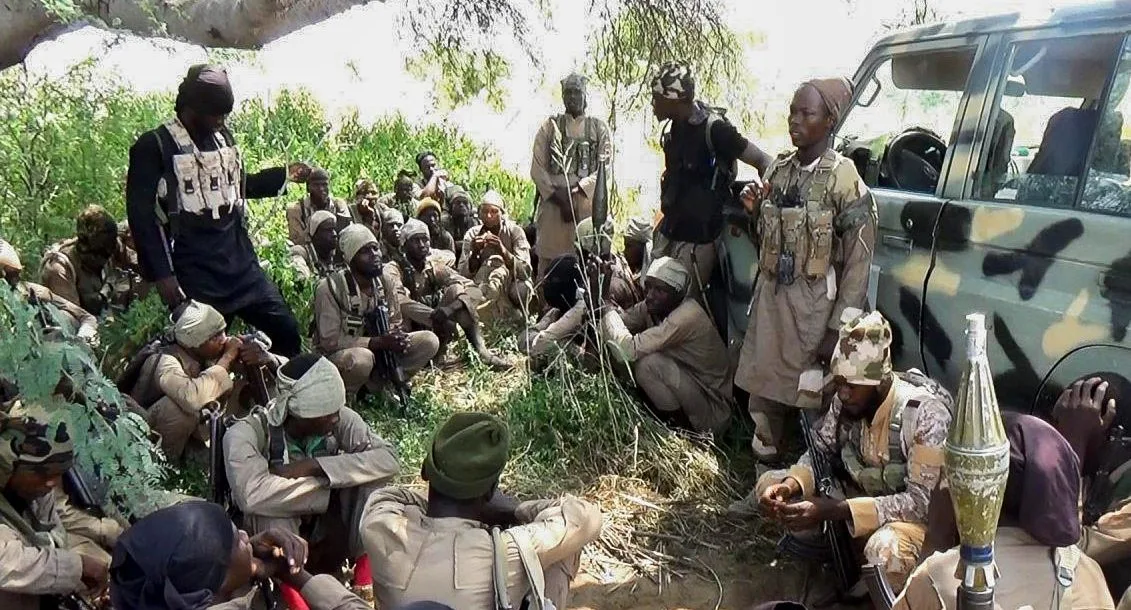
The bulk of Nigeria’s high-grade hardware, intelligence surveillance assets, and elite tactical forces are permanently tied down fighting Boko Haram and ISWAP in the North-East, and battling entrenched bandit syndicates in the North-West. Consequently, security in the Middle Belt and South-West has been left heavily in the hands of under-equipped mobile police units and local vigilantes, creating vast tactical vulnerabilities that criminal groups routinely exploit.
2. The Middle Belt: Land Wars and the “Terrorism” Identity Crisis
In the Middle Belt (North-Central)—particularly in agrarian states like Benue, Plateau, and parts of Kogi—the administration is struggling because the violence cannot be solved by a conventional anti-terrorism playbook.
The crisis here is rooted in a decades-long conflict over land, water, and grazing routes between nomadic Fulani pastoralists and indigenous farming communities. Over time, these clashes have escalated into deep-seated ethno-religious warfare.
When the military intervenes, it is frequently accused of bias by one faction or the other. This complex dynamic has allowed the Southern and Middle Belt Leaders Forum to accuse the federal government of “deep silence” while armed militias systematically displace thousands of local farmers into internally displaced persons (IDP) camps, dealing a massive blow to national food security.
3. The South-West: Fragmented Cells and Ungoverned Forest Reserves
The threat matrix in the South-West geopolitical zone differs fundamentally from the North, focusing heavily on a lucrative, decentralized “kidnapping-for-ransom” model.
Roving bands of heavily armed herdsmen and criminal syndicates have taken over vast “ungoverned spaces”—specifically dense forest reserves that cut through Oyo, Ondo, Ekiti, and Osun states. These networks launch hit-and-run ambushes on highways and rural communities, before retreating into deep forests where federal security agencies lack the local intelligence and specialized terrain training to pursue them.
4. The Centralization Bottleneck and Stalled State Police Reforms
A significant constitutional barrier preventing immediate results is Nigeria’s highly centralized security architecture. State governors are theoretically the “Chief Security Officers” of their domains, yet they exercise zero operational control over the federal police commissioners or military commanders stationed in their states.
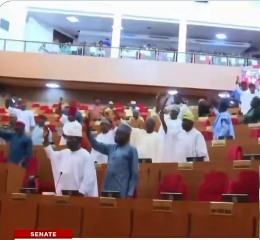
Recognizing this fatal structural delay, President Tinubu took a major legislative step by transmitting the Constitution Alteration Bill for State Police to the Senate.
While the Senate has scheduled the acceleration of the State Police Bill to establish a dual policing system, the legislative and constitutional process takes months to execute. Until localized state police units are fully active and authorized to carry high-caliber weapons, rural communities will remain sitting ducks.
5. Weaponized Poverty and the Influx of Sahelian Splinter Groups
Finally, the administration’s aggressive economic overhauls—specifically the floating of the Naira and the removal of the fuel subsidy—have driven historic inflation, pushing millions into poverty. In rural areas, this economic hardship has turned kidnapping and highway robbery into an appealing survival option for desperate youths, ensuring an endless supply of cheap recruits for criminal kingpins.
Compounding this internal crisis is an external one: the aggressive southward migration of foreign jihadist splinter groups, such as the Lakurawa network linked to ISIS. Fleeing military heat in the Sahel and the far North-West, these highly organized cells are pushing directly into North-Central border states like Kwara and Kogi, bringing advanced tactical training to local criminal gangs.
The Verdict Ahead
As political maneuvering ahead of the 2027 electoral cycle begins to distract the Abuja political class, analysts warn that the true measure of the Tinubu presidency will not be measured in legislative bills or political endorsements, but in whether it possesses the raw political will to secure the lives of ordinary Nigerians in their homes and farms.
For more insight into the local impact of these security gaps, you can watch this TVC News Report on Local Communities Demanding Urgent Security Deployments, which captures the growing frustration of rural residents facing immediate security deficits.
Related