Topnews
Outrage Over Food Waste at MCC Onitsha as Viral Video Shows Beggars Discarding Meals After Eating Only Meat

ONITSHA — A wave of mixed reactions has hit social media following an online video highlighting an unusual case of food waste at the busy MCC Road axis in Onitsha, Anambra State.
 Loading …
The conversation gained momentum after a popular regional commentator, tweeting under the handle @UchePOkoye, shared a report detailing the frustrations of a local woman who witnessed the behavior of some street beggars in the commercial city.
According to the woman, an oversupply of philanthropic food donations along the corridor has led to a situation where the destitute have become highly selective, allegedly eating only the meat or fish portions of donated meals and dumping the rest into the gutters.
“This woman is expressing frustration regarding food waste at MCC Onitsha. She notes that the too much of food donations has led to a situation where beggars are consuming only the meat and discarding the remainder of the meals,” the viral post stated.
Philanthropy Overload at MCC Road
The MCC (Missionaries of Charity/Modern Ceramics) Road area in Onitsha has long been an informal gathering spot for beggars, individuals with disabilities, and the less privileged due to the high volume of traffic, markets, and the consistent presence of religious and corporate philanthropists who distribute free cooked meals.
However, local business owners and residents along the axis have complained that the uncoordinated distribution of charity meals by multiple independent groups is creating secondary environmental and economic challenges.
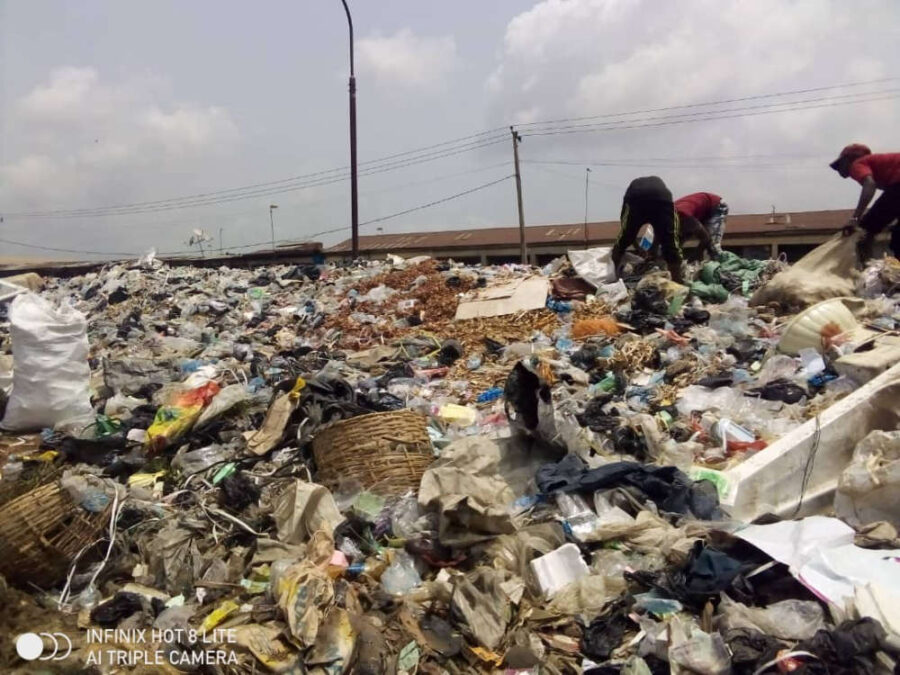
Eyewitnesses report that during peak periods—such as weekends, religious holidays, or funeral celebrations when wealthy individuals cook in mass quantities—beggars receive far more packages of food than they can realistically consume. Because the meals cannot be preserved, the excess starch (rice, garri, or yams) is routinely thrown away, leaving a mess of littered takeaway packs and decomposing food across the streets.
Public Reactions: Integrity vs. Structural Hunger
The viral report has sparked intense arguments online among Nigerians, particularly coming at a time when the nation is battling high food inflation:
- The Environmental and Social Critique: Many online commentators expressed disgust at the waste, arguing that discarding perfectly good food is an insult to millions of working-class families currently struggling to afford single meals. Others noted that the littered food creates severe sanitation hazards, blocking drainage systems and attracting rodents to the business district.
- The Structural Perspective: Conversely, social workers have noted that the issue stems from a lack of organization. They argue that distributing cash or dry, non-perishable food items (like raw beans, rice, or garri) would be far more sustainable, allowing the beneficiaries to feed themselves gradually rather than dumping highly perishable cooked meals on them all at once.
As the video continues to fuel conversations on urban poverty management, community leaders in Onitsha are urging charity organizations and private donors to coordinate their feeding programs with local non-governmental organizations (NGOs) to ensure food reaches those who truly need it without creating severe waste and environmental pollution on city streets.
Related