Viral
‘They Will Listen to Me’ — Peter Obi Backs Dialogue With Bandits to End Insecurity

The 2027 presidential candidate of the Nigeria Democratic Congress (NDC), Peter Obi, has reiterated his belief that dialogue and engagement with all relevant stakeholders remain critical to addressing Nigeria’s persistent security challenges.
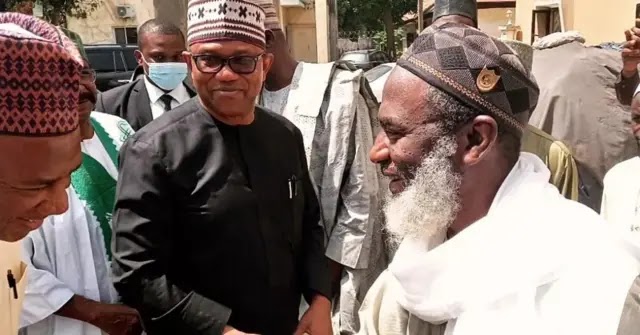
Obi made the remarks during an interview with broadcaster Rufai Oseni on the Nevon Black Box programme while responding to questions surrounding the controversial engagements between Islamic cleric Sheikh Abubakar Gumi and armed bandit groups operating in parts of northern Nigeria.
The former Anambra State governor maintained that lasting peace can only be achieved through inclusive discussions involving all parties connected to the conflict, stressing that his focus is on finding practical solutions rather than assigning blame.
According to Obi, the complexity of Nigeria’s security crisis requires a broad-based approach that brings together traditional rulers, community leaders, security agencies, religious leaders and even those directly involved in acts of violence.
“I keep saying it, I want to discuss with everybody. I am not here to apportion blame on who is wrong or who is right,” Obi stated during the interview.
The former Labour Party presidential candidate explained that meaningful dialogue has proven effective in resolving difficult conflicts around the world and should not be dismissed as a strategy for addressing insecurity in Nigeria.
He said that if elected president, he would prioritise engagement and consensus-building as part of a comprehensive plan to restore peace across troubled regions of the country.
“I want to sit down with everybody in solving these problems. I want to sit down with everybody and say, let’s do it this way,” he added.
Drawing from his experience as governor of Anambra State, Obi recalled how regular consultations with key stakeholders helped his administration maintain relative peace and stability.
According to him, governance requires bringing people together and ensuring that all affected groups have a voice in finding solutions to societal challenges.
“For example, as president, I will sit down with everybody and talk. I did it as governor. I brought people together, including traditional rulers and community leaders, to discuss issues and find solutions,” he said.
When asked whether armed groups or their sympathisers would be willing to participate in such engagements, Obi expressed confidence that they would respond positively if presented with genuine efforts aimed at resolving the underlying issues fueling insecurity.
“They will listen to me now,” he said confidently.
Obi further compared the security crisis to a medical condition requiring treatment and cooperation from all parties involved.
According to him, people trapped in cycles of violence and criminality ultimately stand to benefit from a peaceful resolution and should therefore be willing to participate in dialogue initiatives.
“They are in the problem. How can you say you will call somebody who is sick to come to the hospital and he will say he will not come? He will come because he wants to recover,” Obi stated.
His comments come amid ongoing debates over the best approach to tackling insecurity in Nigeria, particularly in regions affected by banditry, terrorism, kidnapping and communal violence.
While some security experts advocate a predominantly military response to criminal activities, others argue that dialogue, reconciliation and addressing the socio-economic factors driving insecurity should form part of a broader strategy.
Obi’s remarks are expected to further fuel discussions on the role of negotiation and engagement in resolving Nigeria’s security challenges as political parties and potential candidates begin positioning themselves ahead of the 2027 general elections.
The former governor has consistently maintained that solving Nigeria’s security problems requires a combination of effective leadership, economic reforms, intelligence-driven security operations and meaningful engagement with communities affected by violence.