Viral
Northern Group Rejects Iran-Israel War Excuse for Nigeria’s Security Failures

The Northern Comrades Movement of Nigeria (NCMN) has strongly criticised the administration of President Bola Ahmed Tinubu and senior defence officials over the worsening security situation across the country, insisting that references to foreign conflicts and appeals to divine intervention cannot replace concrete action against insecurity.
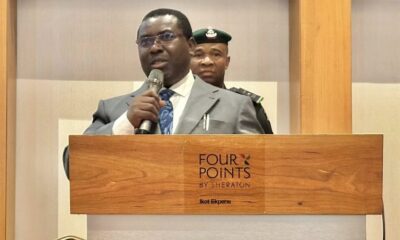
The group made its position known during an emergency national press conference held in Kaduna on June 15, 2026. Speaking on behalf of the organisation, the National Chairman of the movement, Mallam Jabir Ibrahim Yaro, expressed deep concern over what he described as the continued deterioration of security conditions, particularly in northern Nigeria.
According to Yaro, persistent attacks by bandits, terrorists and other armed criminal groups have claimed hundreds of lives, left many injured and displaced thousands of residents from their communities.
He noted that several states, including Zamfara, Katsina, Sokoto, Kebbi, Kaduna, Niger, Benue, Plateau, Borno, Yobe and Oyo, have witnessed recurring attacks that continue to undermine public safety and economic activities.
The group warned that insecurity has severely affected agricultural production, as many farmers are unable to access their farmlands for fear of being attacked, kidnapped or killed. It cautioned that the disruption of farming activities could worsen food shortages, increase inflation and threaten the country’s overall economic stability.
The NCMN specifically took issue with remarks reportedly made by Nigeria’s Chief of Defence Staff, Christopher Musa, linking some of the country’s security challenges to the ongoing tensions and conflict between Iran and Israel.
While acknowledging that international developments can sometimes have indirect effects on national security, the organisation argued that domestic insecurity should not be explained away by external events.
According to the group, Nigerians expect security agencies and government officials to focus on addressing internal threats rather than attributing security failures to developments outside the country.
The movement also criticised comments attributed to the Minister of State for Defence, Bello Matawalle, suggesting that only God could solve Nigeria’s insecurity problems.
While recognising the importance of faith and prayer, the organisation stressed that elected leaders and public officials have constitutional obligations to protect citizens and maintain law and order.
“While we acknowledge Almighty God as the ultimate source of protection and guidance, we respectfully submit that those entrusted with public office also have constitutional responsibilities that cannot be delegated. Therefore, the Iran-Israel conflict should not be used as an excuse for failures within the defence sector,” the group stated.
The NCMN also paid tribute to military personnel who have lost their lives while combating terrorism, banditry and other forms of violent crime. It described the fallen soldiers as national heroes who made the ultimate sacrifice in service to the country.
The organisation expressed concern over the growing number of casualties among members of the armed forces and called for improved welfare, equipment and support for troops operating in conflict-prone areas.
As part of its recommendations for tackling the crisis, the group unveiled a nine-point roadmap aimed at strengthening Nigeria’s security architecture.
Among the proposals are enhanced intelligence gathering and information sharing among security agencies, deployment of modern surveillance and monitoring technologies, improved border security, better welfare packages for security personnel, expansion of community policing initiatives, and more aggressive prosecution of individuals accused of financing terrorism.
The roadmap also includes youth empowerment programmes designed to reduce unemployment and prevent recruitment into criminal groups, as well as rehabilitation and reconstruction efforts in communities devastated by violence.
The movement maintained that Nigeria’s security challenges are not insurmountable and can be effectively addressed if authorities demonstrate the required political will, commitment and accountability.
It further pledged to continue engaging government institutions, civil society organisations and other stakeholders while intensifying advocacy efforts until significant and measurable progress is achieved in restoring peace and security across the country.
The group concluded by urging the federal government to adopt a more proactive and results-oriented approach in confronting insecurity, warning that continued inaction could further endanger lives, livelihoods and national development.