Topnews
Sultan Of Sokoto Owns Over 40 Oil Wells: Reaction To Viral Claim Reignites Niger Delta Resource Crisis

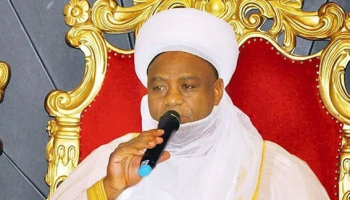
ABUJA — A major controversy has erupted over the ownership of Nigeria’s oil infrastructure following a bold, viral claim alleging that the Sultan of Sokoto, His Eminence Alhaji Muhammad Sa’ad Abubakar III, personally controls over 40 oil wells.
 Loading …
The explosive allegation, initially made in a video by prominent Niger Delta activist Gabriel Asabuja, has reignited intense debate after drawing a heavy reaction from Aloy Ejimakor, the lead legal counsel to detained IPOB leader Nnamdi Kanu.
Taking to his official social media handle, Ejimakor backed Asabuja’s credibility and slammed the massive disparity, arguing that it is unacceptable for a single individual to hold such vast resource wealth while the host communities where the oil is extracted live in poverty.
“Asabuja is a very credible man. In this video, he asserts that the Sultan of Sokoto owns over 40 oil wells,” Ejimakor stated. “If confirmed, it’s abominable that just one man owns so much of the nation’s wealth, especially when the indigenes of the oil-producing areas own little or nothing.”
The Sultan and the 40 Oil Wells Claim
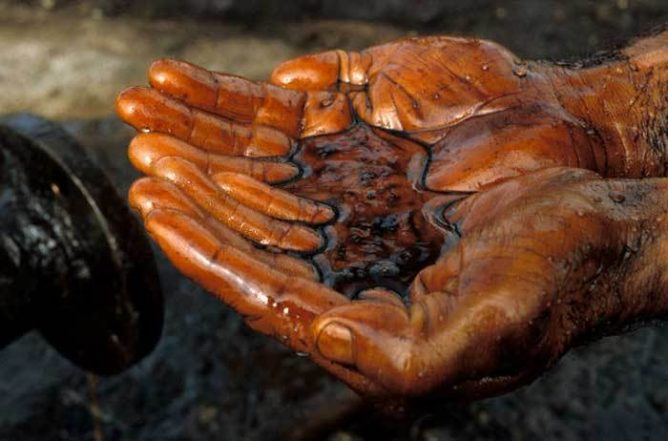
While allegations regarding wealthy northern elites and traditional rulers holding secret Oil Prospecting Licenses (OPLs) and Oil Mining Leases (OMLs) have circulated for decades, the specific claim targeting the Sultan has brought the issue back to the front burner of national discourse.
The source of the claim, Gabriel Asabuja, is an influential figure in the Niger Delta, known for his history as an ex-militant commander within the Movement for the Emancipation of the Niger Delta (MEND) and his later role working alongside Government Ekpemupolo (Tompolo). Given his operational background in the oil-rich creeks, his commentary carries significant weight among regional agitators, even as critics often accuse regional actors of utilizing unverified assertions to drive ethnic narratives.
The Sultan of Sokoto’s media office has not yet issued an official statement responding to the viral video. Historically, the caliphate has maintained a distance from resource control debates, regarding such narratives as politically motivated attempts to inflame regional and ethnic divisions.
A Systemic Issue: The Opaque Registry of Oil Assets
The brewing storm highlights the continuous lack of transparency surrounding the ownership of Nigeria’s oil blocks. For years, civil society organizations, South-South leaders, and the Nigeria Extractive Industries Transparency Initiative (NEITI) have pushed the federal government and the Nigerian National Petroleum Company Limited (NNPC) to publish a fully transparent register of the true beneficial owners of all oil assets.
Niger Delta stakeholders argue that the environmental devastation, gas flaring, and systemic neglect of the region stand in sharp contrast to the generational wealth allegedly enjoyed by individuals far removed from the oil-producing states.
As Ejimakor’s reaction continues to garner thousands of shares and comments online, political analysts warn that the federal government must address the foundational issue of resource allocation and community development to prevent renewed tensions in the vital oil-producing regions.
Related