Breaking
Gbajabiamila, Govs Present As Senate Opts For Manual Voting On State Police Bill After Technical Glitch

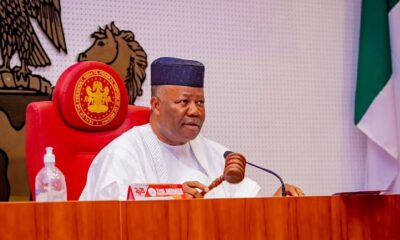
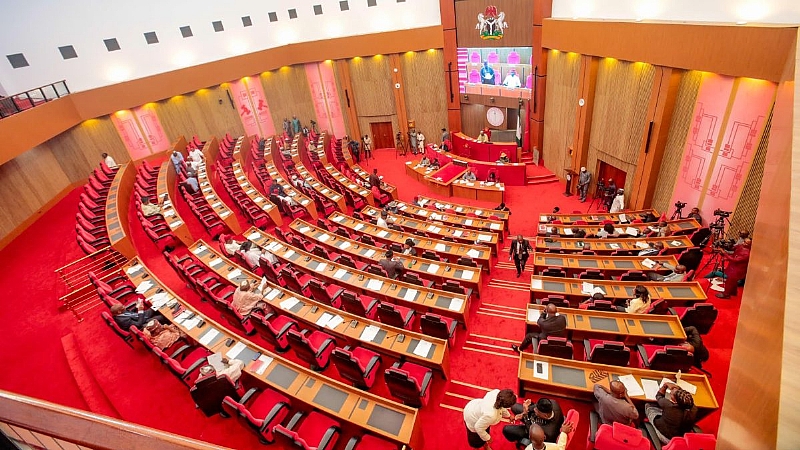
The Senate, on Wednesday, jettisoned its electronic voting system and adopted a manual voting process for the consideration of the proposed State Police Bill after technical problems affected the voting devices used by lawmakers.
The decision was reached following concerns that proceeding with the electronic system could prevent some senators from participating in the exercise, thereby compromising the integrity of the constitutional amendment process.
Under the new arrangement, senators will vote openly by standing individually, announcing their names and stating their positions on the proposed framework for the establishment of state police.
Moving the motion, Senate Leader Opeyemi Bamidele said the chamber must ensure both transparency and inclusiveness while discharging what he described as a major constitutional responsibility.
“There is the need to also ensure transparency both within ourselves as people that will be performing this major constitutional responsibility, as well as members of public,” Bamidele said.
“Rather than go by way of electronic voting, which obviously is not the case today, and disenfranchise a few or so of our colleagues whose machines are not working, I am moving that we give every distinguished senator the opportunity to answer his or her father’s name by doing manual voting.”
The motion received the backing of Minority Leader Abba Moro, who seconded it.
Several lawmakers argued that the open voting process would guarantee that no senator is excluded from the exercise while also making each lawmaker’s position on the controversial state police proposal known to the public and their constituents.
In a dramatic turn of events earlier in the session, the Senate reversed an earlier decision and approved the admission of governors and senior government officials into the chamber to witness deliberations on the state police proposal.
The request had initially been rejected through a voice vote, in line with Senate rules that ordinarily restrict access to the chamber’s floor to serving senators, while visitors and non-members are expected to observe proceedings from the gallery.
The rejection briefly disrupted proceedings as the invited governors and senior officials had already arrived and were waiting outside the chamber.
Senate President Godswill Akpabio subsequently appealed to lawmakers to reconsider their decision, arguing that the constitutional amendment process would ultimately require approval by state Houses of Assembly, making it necessary for governors and other critical stakeholders to closely follow the debate.
Akpabio further noted that the proposal for state police emanated from the executive arm of government and that many of the invited guests were senior executive officials.
Following his appeal, Bamidele moved another motion seeking the suspension of Order 12 of the Senate Standing Rules on floor privileges to permit the visitors’ entry into the chamber as strangers.
Those eventually admitted included Chief of Staff to the President, Femi Gbajabiamila, Kaduna State Governor, Uba Sani; Ogun State Governor, Dapo Abiodun; and Ondo State Governor, Lucky Aiyedatiwa.
Deputy Senate President Barau Jibrin supported the motion, commending Akpabio for demonstrating what he described as inclusive leadership.
According to Jibrin, allowing the governors and other officials into the chamber would encourage broader participation and deepen stakeholders’ understanding of the proposed state police framework.
The Senate subsequently approved the motion, paving the way for the governors and other invited dignitaries to witness the historic deliberations on one of the country’s most far-reaching security reform proposals.