World
Critical Minerals: The Next Energy Battle in West Asia

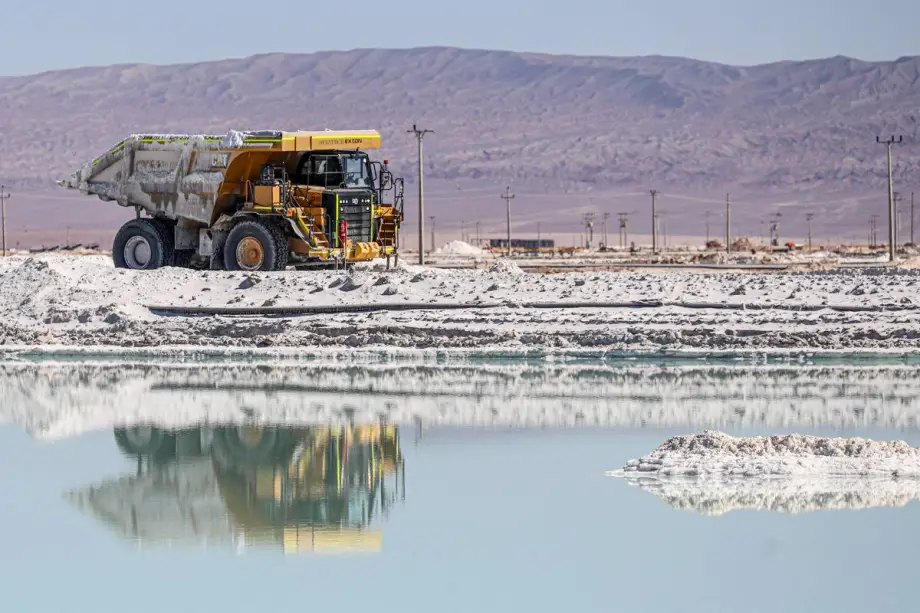
For decades, oil and natural gas defined power in the Middle East. Control over hydrocarbon resources shaped alliances, triggered conflicts and influenced the global economy. Today, however, a quieter but equally significant competition is emerging beneath the surface. The next strategic battle in West Asia may not be fought over oil fields or gas pipelines, but over the critical minerals required to power the global energy transition.
As governments around the world accelerate efforts to reduce carbon emissions, demand for electric vehicles, renewable energy systems, batteries and advanced digital technologies is increasing rapidly. These industries rely heavily on critical minerals such as lithium, copper, cobalt, nickel and rare earth elements. Without them, the green transition cannot occur. As a result, access to critical mineral supply chains is becoming a matter of national security.
From Oil Geopolitics to Mineral Geopolitics
The global energy system is undergoing a historic transformation.
READ: UAE plans to cut Strait of Hormuz dependency to ‘zero’: Report
In this evolving landscape, West Asia occupies a unique position. The region has traditionally been viewed as a supplier of hydrocarbons, but it may soon become an important actor in the emerging mineral economy as well.
Afghanistan and the Untapped Mineral Frontier
One of the most overlooked dimensions of regional geopolitics is Afghanistan’s enormous mineral wealth. Various geological assessments have suggested that Afghanistan possesses significant deposits of lithium, copper, rare earth elements and other strategic minerals.
China has already demonstrated interest in Afghanistan’s mineral sector, viewing it as a potential extension of its broader resource security strategy. Other regional actors are closely monitoring developments, aware that future mineral supply chains could reshape economic influence across Central and South Asia.
Iran’s Strategic Opportunity
Iran is often discussed in terms of oil, natural gas and its geographical location. Yet the country possesses another largely underappreciated advantage: significant mineral resources and industrial capabilities that could support downstream processing and manufacturing.
As global demand for critical minerals increases, Iran has an opportunity to diversify its resource diplomacy beyond hydrocarbons. The country’s geographical position connects the Persian Gulf, Central Asia, the Caucasus and South Asia, making it a potential transit and processing hub for regional mineral trade.
Unlike many mineral-rich countries that lack industrial infrastructure, Iran already possesses mining expertise, engineering capacity and a substantial industrial base. These assets could allow Tehran to move beyond raw material exports and participate in higher-value segments of future supply chains.
The New Arena of Great-Power Competition