Viral
Trump threatens to "destroy one bridge or power plant" every time Iran hits ships in Strait of Hormuz

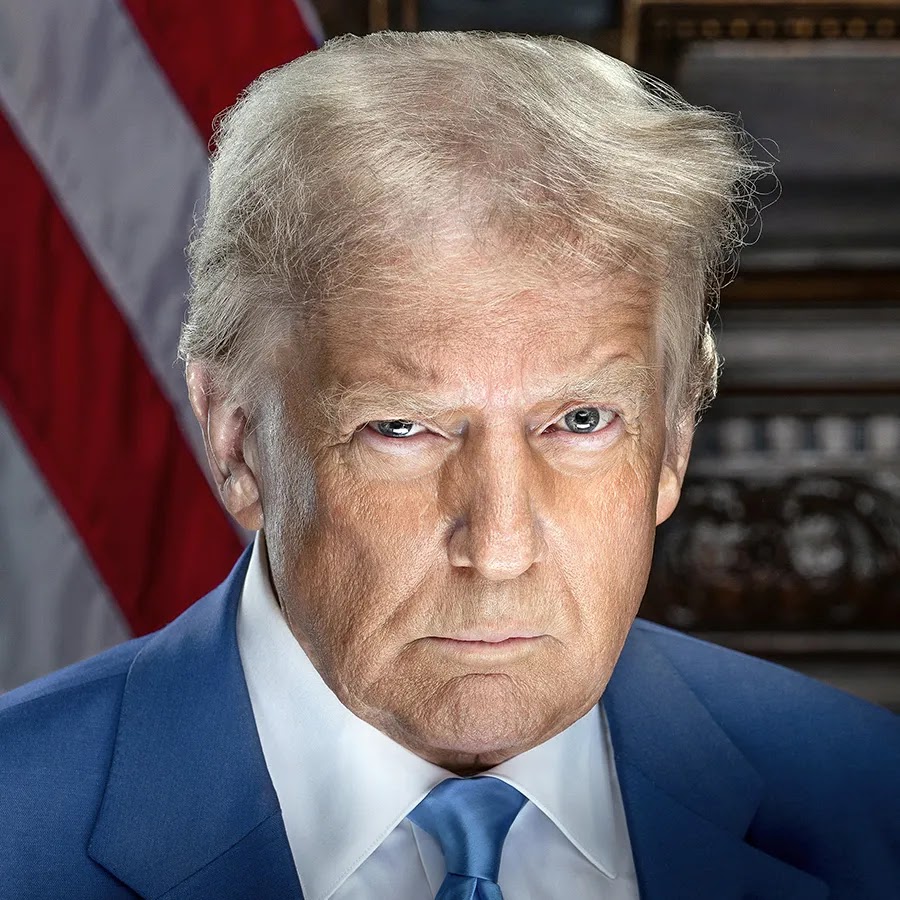
U.S. President Donald Trump has warned that the United States will respond with direct military action against Iranian infrastructure if Tehran is found responsible for attacks on commercial or military vessels in the Middle East.
In a post on his Truth Social platform, Trump said any missile, rocket or drone attack targeting ships in the Strait of Hormuz would trigger a U.S. military response against Iranian infrastructure.
According to the U.S. president, such retaliation could include strikes on a bridge or power plant, adding that potential targets could be located in or around Iran’s capital, Tehran.
Trump’s remarks underscore growing tensions in the Gulf region, particularly around the Strait of Hormuz, one of the world’s most strategically important maritime routes.
The narrow waterway connects the Persian Gulf to the Gulf of Oman and serves as a vital corridor for global energy supplies, with an estimated one-fifth of the world’s oil shipments passing through it. Any disruption to shipping in the area often has immediate implications for international oil prices and global markets.
Commercial tankers and military vessels operating in the region have previously faced threats, including drone attacks, missile strikes and vessel seizures amid heightened tensions involving Iran and Western powers.

Trump’s latest warning suggests the U.S. would hold Iran directly accountable for future attacks on shipping and respond by targeting key infrastructure within the country.
The statement has also drawn attention to international humanitarian law. Under the Geneva Conventions and the laws governing armed conflict, attacks on civilian infrastructure such as bridges and power facilities are generally prohibited unless those sites are being used for military purposes or make an effective contribution to military operations.
The warning comes as diplomatic efforts and security concerns surrounding Iran’s nuclear programme and its regional activities continue to shape relations between Tehran and Washington.