World
The inside story of the British TikToker who could face death by firing squad in Dubai

As an influencer with almost 100,000 followers on TikTok, Brooke George shares glimpses into her life as a 23-year-old: videos showing nights out, beauty routines and light-hearted lip-syncs. But now the former John Lewis assistant from Gravesend in Kent is facing the death penalty in Dubai, after being charged with murdering a man she met online.
George, however, alleges that she acted in self-defence after being repeatedly assaulted. “It’s really concerning that she may be a domestic violence victim and is also being treated badly within the prison system over there,” says Radha Stirling, chief executive of Detained in Dubai, the organisation that provides assistance to foreigners dealing with legal injustice in the United Arab Emirates.
It is the latest incident, Stirling argues, to illustrate the risks faced by young influencers who are being lured over to the Emirates with promises of dazzling lifestyles and opportunities to boost their social media careers – only to face possible sexual exploitation or violence.
“We’ve got a lot of examples of the abuse of females who are going to Dubai, and at the same time, we’ve got the UAE government saying ‘this is the safest place in the whole world – there’s zero crime here,’” she says.
George is thought to have met the man on Facebook, and their relationship developed online. He invited her out to Dubai, and paid for her flights – she even told her family how happy she was, and that she was “having the time of her life”. One major red flag, however, was that he organised for George to have a bikini photoshoot during that first visit. “It’s a bit strange to be paying for a professional photographer for her bikini shots – it’s not something she wanted or asked for,” Stirling says.
But when he asked her to visit a second time, things changed, according to George’s account. She alleges that he became cold and controlling, and she eventually learned that he had only bought her a one-way flight, which concerned her. George claims that he attacked her in a car after they spent the evening at a bar in Jumeirah Village, then continued to assault her once they returned to his apartment.
She maintains that he took her passport, then punched her when she begged for it to be returned; she says she then stabbed him with a kitchen knife in self-defence, before immediately heading to the airport to attempt to return to the UK. Her mother Thereza George, meanwhile, claims that when she spoke to her after the incident, Brooke was “absolutely terrified” – “I have never seen my daughter so frightened in my life,” she said.
It was there that she was arrested, with the police charging her with premeditated murder, a crime that carries the death penalty by firing squad in Dubai. George was taken to the Bur Dubai Police Station, where she alleges she had to strip naked in front of a male officer, was told to make a statement without a lawyer and was not allowed to contact her embassy. The Foreign Commonwealth and Development Office told The Independent: “We are in touch with a British woman detained in the UAE, we are supporting her family, and we are in contact with the local authorities.”The Independent has contacted the Government of Dubai Media Office for further comment.
George reportedly hasn’t slept since her arrest, and is now hoping to receive money to buy a phone card that will allow her to talk to her family. With a capital murder case like this one, “you could be talking about a very long [legal] procedure,” says Stirling. “Even if she is found innocent, she could end up spending years in prison while she’s defending these charges.” This is why Detained in Dubai are fighting for the Dubai authorities to treat her as a domestic violence victim, “so that they provide her with that care and support, possibly give her bail, put her on house arrest and don’t keep her in prison”.
When Dubai police and prosecutors are faced with a case that involves allegations of domestic violence, Stirling argues, they tend to “deal with it very, very badly” – it is only when attention around such a case starts to snowball internationally, she says, that “anything is actually done to hopefully protect” the alleged victims. “They [the authorities] have spoken a lot about changing their internal protocols and practices to not re-victimise women who are victims of rape or domestic abuse, but I’m not seeing it on the ground level.”
She points to the case of Irish flight attendant Tori Towey, who was charged with consuming alcohol and attempting suicide, after facing alleged domestic abuse; her passport was also reportedly destroyed, before UAE police eventually withdrew the charges and closed the case. “She didn’t get any protection until the media spotlight was on the case,” Stirling argues.
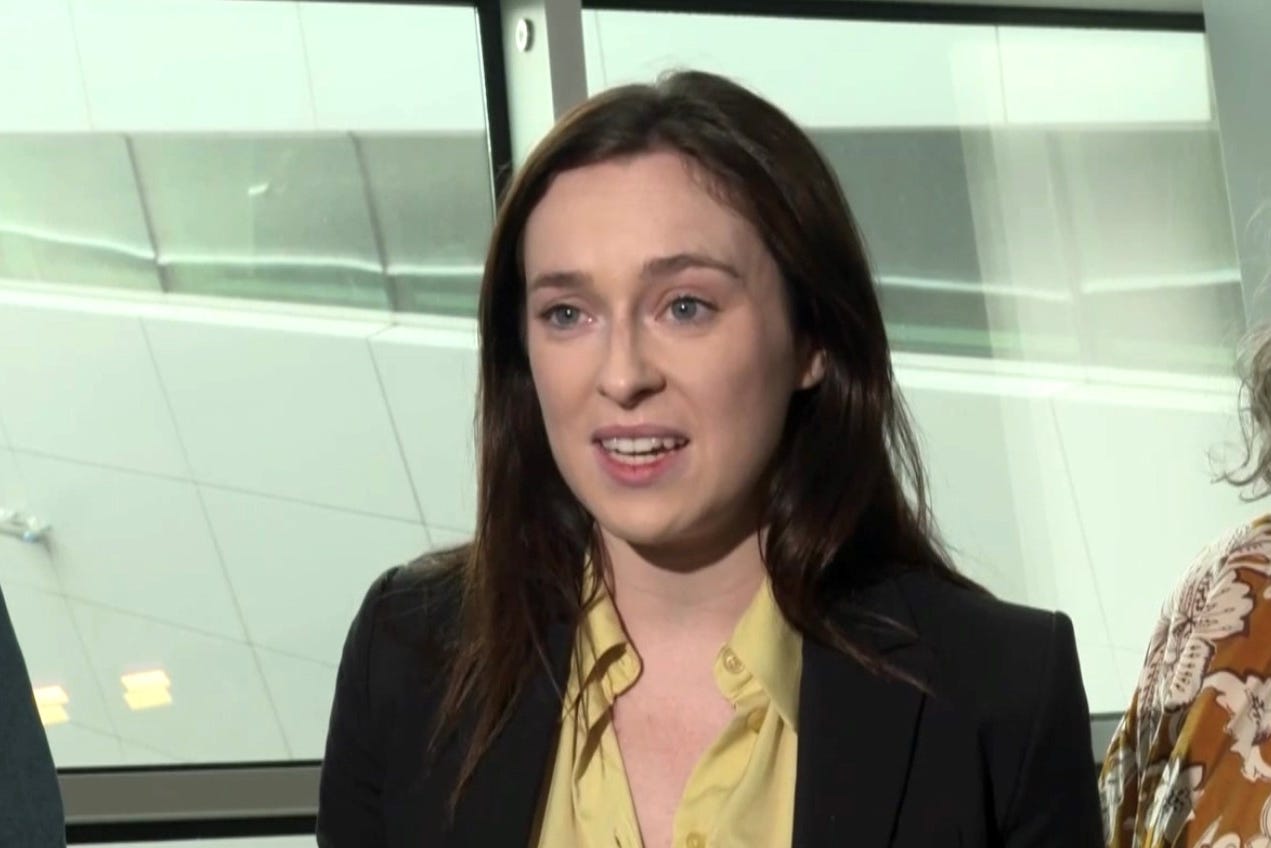
In fact, Stirling says that she has come across so many stories of women who have been “drugged, raped, all sorts of things” then “treated like criminals themselves” when they share their story with Dubai authorities, that “I think at this point it would be prudent for the British government to perhaps investigate the level of violence against women in the UAE”. The Independent has contacted the FCDO for further comment.
And yet Dubai remains an alluring destination for many Brits. Social media has long helped to craft and disseminate the fantasy of the “Dubai dream”, with photogenic influencers presenting a glamorous, sun-soaked lifestyle that’s all beaches and brunches.
Girls go online and see influencers being treated well, and assume they will be too
Radha Stirling, criminal justice specialist for Detained in Dubai
Instagram and TikTok stars are so important to the Emirati government that last year the tourism department launched a first of its kind “influencer academy”, training up social media users to promote the city in style. The UAE also offers a so-called “golden visa” for content creators, offering them long-term residency for up to 10 years.
“Young girls want to go there, and some of those deals are legitimate, and some of them pay well, and aren’t going to cause any problems,” Stirling says. “Girls go online and see influencers being treated well, and assume they will be too.”

But there is a dark side. There are extensive reports of young women being lured out to the Emirates for influencer work or modelling opportunities, only to become embroiled in exploitation. “They’re told that they’re coming over for a particular job, and they end up essentially being sold or exploited, drugged or raped,” Stirling says, alluding to disturbing rumours of so-called “porta-potty parties”, where women are reportedly paid to endure degrading sexual acts.
Extensive networks exist to facilitate this exploitation, she adds, noting that she has “noticed this more and more” since the Russian invasion of Ukraine. “There are a lot of expats with criminal gang backgrounds who relocated during that moment to the UAE, and they seem to operate with complete immunity.” It’s thought that these gangs use social media to reach out to young women travelling to Dubai – who don’t always “realise that it’s not just the guy they met online, it’s him and all of his network”.
And, Stirling adds, there are plenty of men who “want to be copycats of Andrew Tate”, the manosphere influencer who recruited women to take part in an explicit webcam business. He has been charged with rape and human trafficking among other offences in Romania, and also faces criminal charges such as rape, actual bodily harm and controlling prostitution for gain in the UK (he has strongly denied the allegations).
Stirling is hopeful that George will receive bail, and will “be given proper due process”; she will continue to push to have the charges against her reduced. But she also thinks that it is time for “more government warnings” about the alleged wider culture of exploitation of British women in Dubai. “It’s going to end up a national scandal when we actually learn about the numbers of people who have been abused out there.”