World
The future of nuclear non-proliferation after recent U.S.–Iran negotiations

The latest round of negotiations between the United States and Iran in Switzerland may not yet qualify as a historic breakthrough but it may become one of those moments historians later identify as a turning point. After years of sanctions, proxy confrontations, military escalation and the gradual weakening of arms-control trust, both sides have returned to a familiar but difficult instrument: diplomacy. Recent talks reportedly produced a roadmap towards a broader settlement and continued technical discussions on nuclear and regional security issues. The larger question is no longer whether Washington and Tehran can talk. It is whether diplomacy can still protect the global nuclear non-proliferation order.
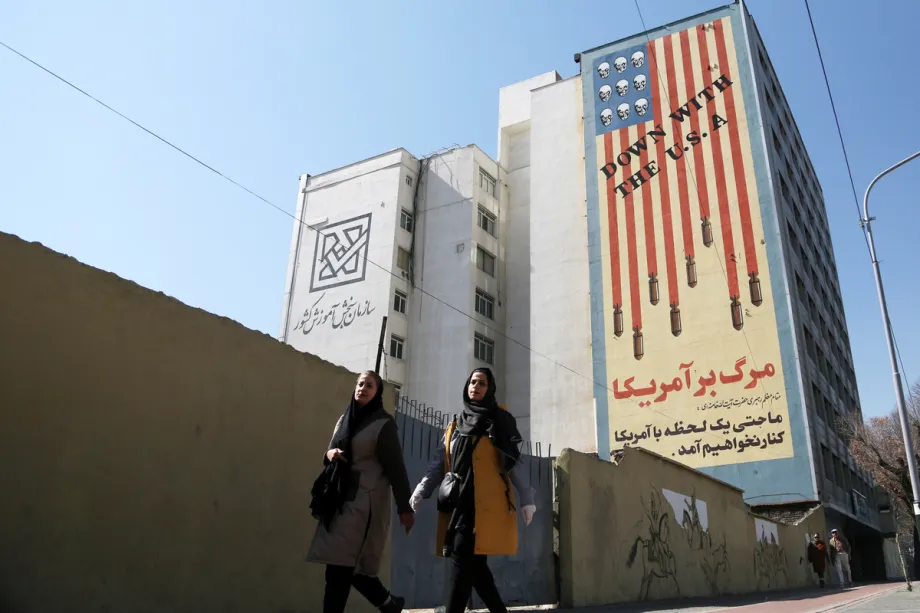
Relations between the United States and Iran have remained shaped by distrust since the Iranian Revolution and subsequent diplomatic rupture. Nuclear concerns became central during the 2000s and culminated in the landmark Joint Comprehensive Plan of Action, which placed limits on Iran’s nuclear activities in exchange for sanctions relief. When that framework weakened and regional tensions escalated, confidence in nuclear diplomacy also declined. The recent negotiations therefore represent more than bilateral engagement they test whether negotiated non-proliferation still works in an era increasingly defined by force and strategic competition.
What makes the recent process notable is that diplomacy resumed after a period of open confrontation. Earlier rounds involved indirect contacts in Oman and Europe before advancing into higher-level engagement in Switzerland focused on a roadmap, technical committees and mechanisms intended to avoid renewed escalation. Reports indicate that discussions extended beyond uranium questions into verification, maritime security, sanctions arrangements and regional stabilisation. Claims and counterclaims remain over the extent of future nuclear inspections, illustrating that implementation not announcements will determine success.
Switzerland once again demonstrated the continuing relevance of neutral diplomacy. Swiss facilitation created political distance from regional rivalries and provided a discreet environment where adversaries could continue communication despite public tensions.
The optimistic reading is that renewed diplomacy lowers incentives for military escalation and reduces pressure for nuclear hedging across the Middle East. The cautious reading is more complicated. If Iran accepts stronger transparency measures while receiving limited economic normalisation, regional actors may perceive diplomacy as effective.
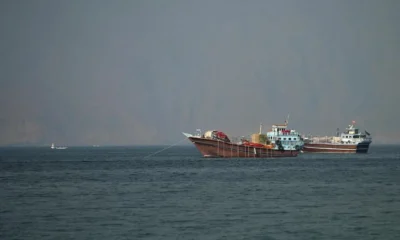
No modern U.S.–Iran negotiation is purely about nuclear technology. The Strait of Hormuz remains one of the world’s most strategically important energy corridors. Recent discussions reportedly included maintaining maritime access and reducing disruptions to global shipping. Energy markets react quickly to instability. Successful diplomacy lowers transport risk, stabilises oil expectations, and reduces pressure on global inflation. Failed diplomacy does the opposite. This creates an important insight: nuclear non-proliferation today is tied not only to security architecture but also to economic interdependence.
The Middle East appears to be moving away from a system dominated by a single external power towards a more negotiated and multipolar regional order.
In that environment:
The U.S – Iran process suggests future agreements may look less like permanent peace treaties and more like layered arrangements: ceasefires, inspections, economic incentives and continuous negotiation.
The future of nuclear non-proliferation will not be decided in a single Swiss conference room. It will be decided by whether diplomacy can again become more reliable than escalation.
If they fail, the world may enter an era where more states conclude that nuclear capability not negotiating restraint is the ultimate guarantee of survival.
The views expressed in this article belong to the author and do not necessarily reflect the editorial policy of Middle East Monitor.