World
Shipping through Strait of Hormuz declines as US-Iran hostilities resume

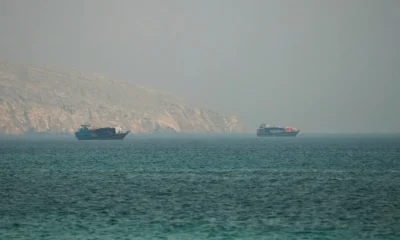
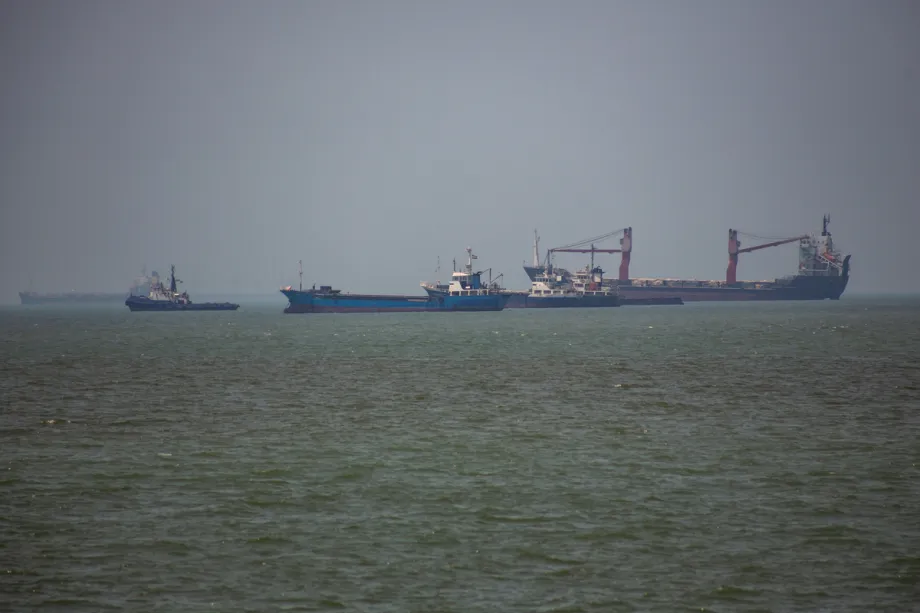
Commercial shipping through the Strait of Hormuz has declined sharply following renewed military exchanges between the United States and Iran and recent attacks on commercial vessels in the strategic waterway.
According to shipping data from Kpler, only six cargo ships had transited the strait by 14:30 GMT on Thursday, compared with 21 vessels on Wednesday, indicating a significant slowdown in maritime traffic.
Following the ceasefire reached in mid-June, shipping volumes had recovered to their highest levels since the conflict began, although they remained well below normal, at roughly one-third of pre-conflict traffic.
The latest decline follows attacks on several vessels earlier this week and growing security concerns in the Gulf.
By contrast, the southern route near Oman, which had been increasingly used by commercial vessels in recent weeks, has seen little or no visible traffic. MarineTraffic data showed no ships using that route with active transponders, although some vessels may have crossed while transmitting no AIS signal.
Iran has previously expressed opposition to the southern shipping corridor, and reports indicate that two of the three vessels attacked earlier this week were sailing near that route when they were struck.
According to the report, five commercial vessels have been attacked since the memorandum of understanding between Washington and Tehran was signed.
Responding to the deteriorating security situation, International Maritime Organization (IMO) Secretary-General Arsenio Dominguez urged shipowners and operators to avoid exposing seafarers to unnecessary risks by transiting the Strait of Hormuz while tensions remain elevated.
Separately, maritime analytics company AxsMarine reported that it tracked 689 commercial vessels west of the Strait of Hormuz on Thursday, down from 1,061 vessels at the beginning of March, reflecting the broader decline in regional shipping activity.