Viral
Nigeria Left With Only 55,000 Doctors as Medical Brain Drain Worsens — NMA

Nigeria’s healthcare system is facing a growing workforce crisis, with only about 55,000 doctors currently practicing across the country despite a population exceeding 220 million, according to the Nigerian Medical Association (NMA).
The revelation has sparked renewed concerns over the capacity of the nation’s health sector to meet the medical needs of millions of Nigerians, particularly as hospitals grapple with acute manpower shortages and increasing patient loads.
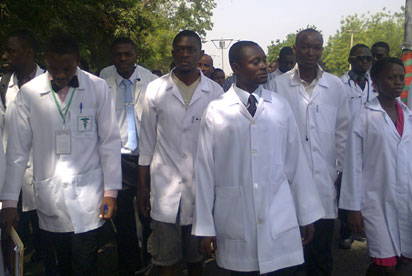
The warning was issued during the Ordinary General Meeting and Scientific Conference of the Association of Resident Doctors (ARD) held at the Federal Neuropsychiatric Hospital, Yaba, Lagos. Participants at the conference highlighted the mounting pressure on healthcare workers and the consequences of the doctor shortage on service delivery, especially in the area of mental healthcare.
Medical professionals at the gathering noted that Nigeria’s health system is increasingly overstretched as the number of available doctors continues to shrink due to the persistent migration of healthcare workers to developed countries.
According to figures presented at the event, no fewer than 16,000 Nigerian doctors have left the country within the last five years in search of better working conditions, improved remuneration, and enhanced career opportunities abroad.
Experts warned that the trend has significantly weakened healthcare delivery, particularly in specialized areas such as psychiatry and mental health services, where the shortage of professionals has left many patients struggling to access timely and adequate treatment.
They further observed that the exodus of medical practitioners has widened treatment gaps, increased healthcare costs, prolonged waiting times for patients, and placed immense pressure on the limited number of doctors still working within the country.
Speaking on the issue, NMA President, Prof. Omoti Ernest, described the situation as deeply concerning.
He disclosed that while more than 130,000 doctors have been registered by the Medical and Dental Council of Nigeria over the years, only about 55,000 remain actively engaged in medical practice within Nigeria.
According to him, the figure falls far short of the benchmark recommended by the World Health Organization, which suggests a ratio of approximately one doctor to every 600 people.
“This ratio is significantly below the recommended threshold and clearly demonstrates the shortage of medical personnel currently affecting healthcare delivery across the country,” he said.
Prof. Ernest attributed the crisis largely to the continued migration of Nigerian-trained doctors, many of whom have relocated to countries such as United Kingdom, Canada, and the United States.
He explained that poor salaries, difficult working conditions, insecurity, inadequate healthcare infrastructure, and limited opportunities for professional advancement have continued to push skilled healthcare workers out of the country.
The NMA president noted that the consequences of the mass departure are already being felt across public health institutions nationwide.
“Thousands of doctors and other healthcare professionals have left Nigeria in recent years, resulting in severe staff shortages. Those who remain are carrying heavier workloads, many are experiencing burnout, patients are waiting longer for treatment, and the quality of care is declining in many public hospitals,” he stated.
He added that rural and underserved communities have been among the hardest hit, as they already face significant challenges in accessing healthcare services.
Healthcare stakeholders at the conference called for urgent reforms, including improved welfare packages for medical personnel, increased investment in healthcare infrastructure, enhanced security, and better career development opportunities to stem the tide of medical brain drain.
They warned that unless decisive measures are taken, Nigeria risks losing even more healthcare professionals, further deepening the crisis and threatening the country’s ability to provide adequate healthcare for its growing population.