World
Nearly 20% of Strait of Hormuz traffic is sanctioned ships linked to Iran, data shows

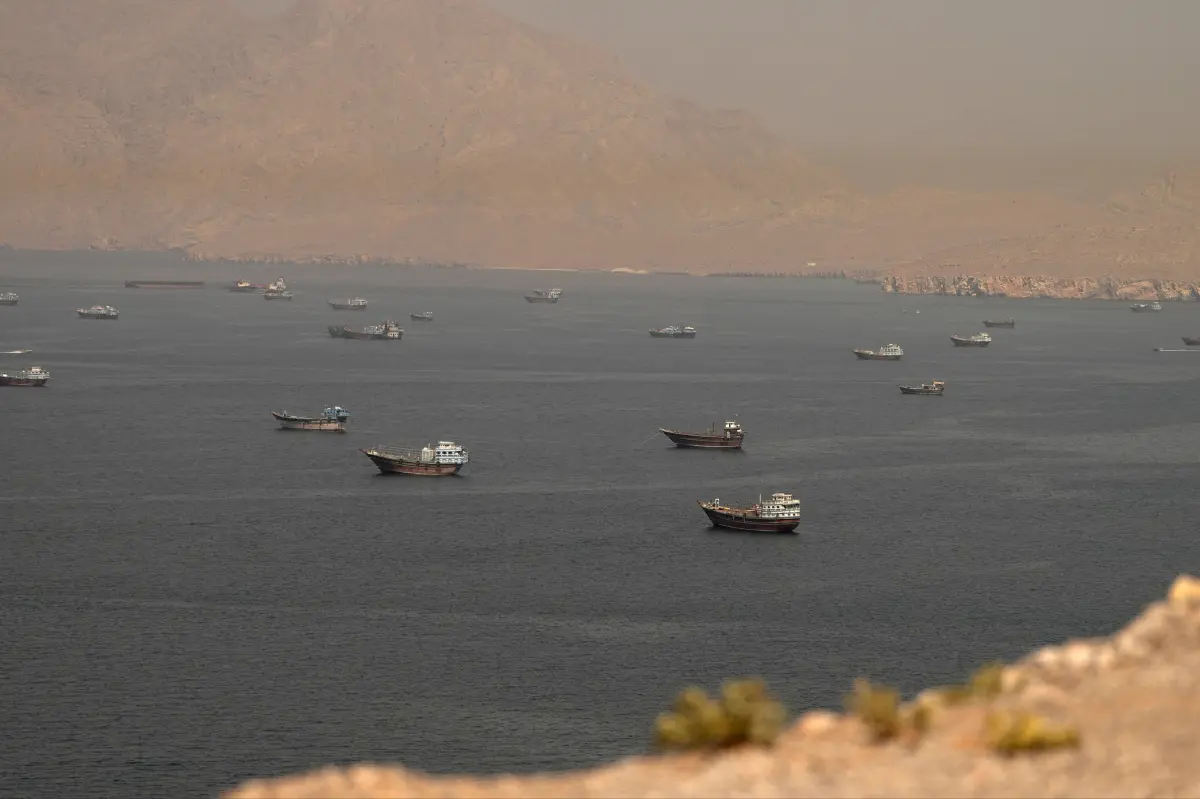
Nearly one commercial ship out of every five that traversed the Strait of Hormuz Monday was a sanctioned vessel involved in transporting Iranian oil, according to tracking information.
Of the 48 ships that were confirmed crossing the strait, nine were found to be previously punished for their role in transporting energy for Iran, Russia and Venezuela, according to maritime analyst Kpler.
Among the ships was the Iran-flagged Warta, a bulk-carrier that was tracked into the Persian Gulf.
Two other identified ships were the Curacao-flagged Asha and Lumina Ocean crude oil tankers, which traveled along the so-called “Iranian route” on the north side of the strait, according to Kpler.
Another Curacao-flagged tanker, Titan, also sailed out of the strait on Monday, along with the Botswanan tanker Vigor.
The other sanctioned tankers that made it through include the Gambia-flagged Elva, the Guyana-flagged Nichola, the Botswana-flagged Virgo, and the Mali-flagged Sea Ace.
At least five of the tankers were recorded carrying up to four million barrels of oil, the BBC reported.
At least 30 tankers transporting Iranian crude and petrochemicals have exited the waterway since the US and Iran signed a memorandum of understanding (MOU) June 17, according to the United Against Nuclear Iran monitoring group.
The vessels were all allowed to sail freely after the US ended its blockade on Iranian ports and waived sanctions for a 60-day period asnegotiations continue between Washington and Tehran.
In all, at least 172 vessels have traversed the Strait of Hormuz since the US and Iran signed the MOU, with traffic volume growing as ships try to pass while the cease-fire lasts.
Iran itself has been trying to take advantage of the situation, with officials from the National Iranian Oil Co. working around the clock to export its crude to Asia as quickly as possible, Bloomberg reported Tuesday.
The American blockade effectively left Iran with millions of barrels of crude in storage with no place to export, leaving Tehran to try and woo refiners in India, Japan and South Korea to purchase the oil, sources told the outlet.
Iran has about 68 million barrels of crude and condensate on the water as of Tuesday, with at least 80% of the supply up for sale, according to the Vortexa analytics firm.
The free flow of Iranian oil at market price for the first time in 35 years gives the Islamic Republic incentives to prolong the peace talks so it can make as much money as possible before any major hurdles in the negotiations come up, said Kelly Campa, the head of the Middle East Team at the Washington-based Institute for the Study of War think tank.
“Iran has used the stage to reap economic benefits before progress is even made on the next step of negotiations,” Campa told The Post. “It puts them in a better position in case negotiations collapse … and it strips leverage from the US in the 60-day period of negotiations.”