Viral
Marketers Give Update On Cooking Gas Price Reduction In Nigeria

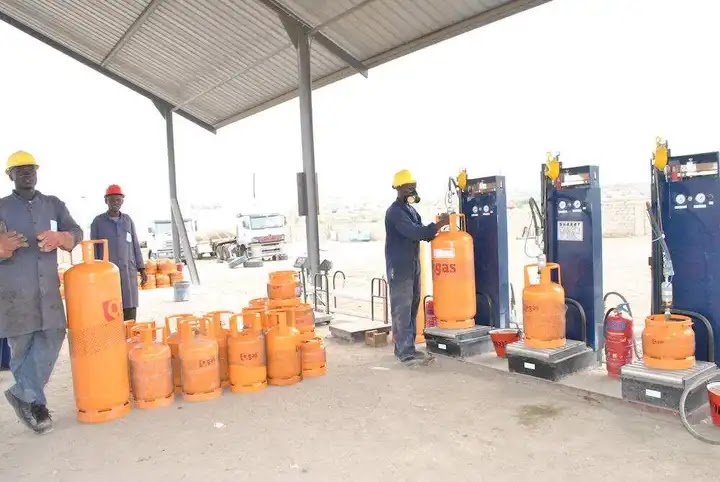
The Nigerian Association of Liquefied Petroleum Gas Marketers (NALPGAM) has said that although the availability of cooking gas has improved across the country, consumers are yet to benefit from a significant reduction in prices.
Speaking on Thursday, the President of NALPGAM, Edu Inyang, explained that recent government interventions have helped stabilize supply but have not translated into lower retail prices for households.
According to current market checks, the price of Liquefied Petroleum Gas (LPG), commonly known as cooking gas, now ranges between ₦1,450 and ₦1,700 per kilogram in Abuja and its surrounding areas. This marks a notable increase from the approximately ₦1,200 per kilogram recorded in May 2026.
Inyang said the Federal Government’s intervention in June 2026 had an immediate positive effect on product availability, reducing supply shortages that previously affected the market. However, he noted that several economic factors continue to keep prices elevated.
He explained that the primary benefit of the intervention has been improved access to cooking gas rather than cheaper prices for consumers.
According to him, international LPG prices remain high, while the depreciation of the naira and foreign exchange costs continue to increase the cost of importing the product into Nigeria. He also pointed to expensive transportation and inland distribution, limited domestic production, and insufficient market competition as major factors preventing a decline in retail prices.
“The immediate impact has been greater product availability rather than lower prices,” Inyang said.
“LPG retail prices remain stubbornly high. While prices have stopped escalating at the previous pace, consumers are yet to experience meaningful relief because international LPG prices remain elevated, foreign exchange costs continue to increase import expenses, transportation and inland distribution costs remain high, domestic production is still insufficient to fully satisfy national demand, and market competition has not yet driven prices downward.”
The marketers’ association noted that unless these underlying challenges are addressed, Nigerians are unlikely to see substantial reductions in cooking gas prices despite the improved supply situation.
The development comes at a time when many households are already grappling with rising living costs, making the sustained increase in cooking gas prices an additional burden for consumers across the country.