Viral
Iran Agrees US Peace Deal, To Reopen Strait Of Hormuz

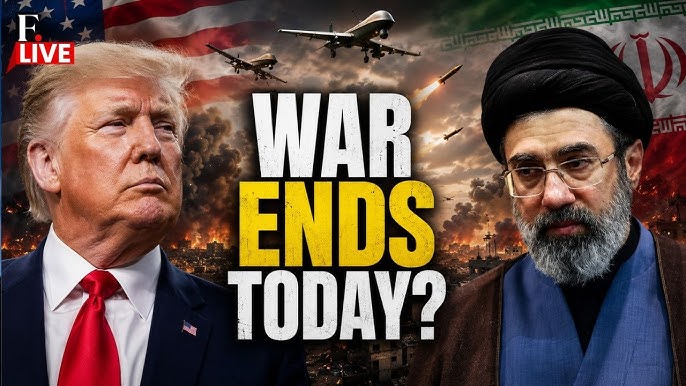
Iran has indicated its willingness to forgo the pursuit of nuclear weapons and reopen the strategically important Strait of Hormuz as part of a proposed peace framework reportedly being negotiated with the United States.
The development emerged on Sunday amid growing optimism that months of heightened tensions and conflict between the two countries could move toward a diplomatic resolution, although officials on both sides have cautioned that negotiations are still ongoing and a final agreement has not yet been concluded.
According to reports, the draft framework under discussion would see Iran commit to refraining from producing or acquiring nuclear weapons while reopening the Strait of Hormuz to commercial shipping. In return, the United States would release approximately $25 billion in frozen Iranian assets, ease certain sanctions, and suspend the imposition of new sanctions during a negotiation period aimed at reaching a broader agreement.
The proposed arrangement has attracted global attention because of the significance of the Strait of Hormuz, one of the world’s most important maritime trade routes. The waterway serves as a critical passage for global energy supplies, with disruptions in the area often triggering concerns in international oil markets. Shipping activity through the strait has reportedly been affected by recent hostilities, contributing to uncertainty in global energy and financial markets.
Sources familiar with the negotiations said the draft agreement would establish a 60-day framework for further talks between Washington and Tehran. During that period, both countries would work toward a more comprehensive settlement covering Iran’s nuclear programme, sanctions relief, and broader regional security issues.
Under the reported terms, Iran would maintain the current status of its nuclear activities pending a final agreement, while discussions continue on the future of uranium enrichment and other aspects of its nuclear programme. The United States, on the other hand, would temporarily ease some economic restrictions and facilitate the release of frozen Iranian funds.
Diplomatic efforts to finalize the framework have reportedly involved mediators from Qatar and Pakistan, both of whom have played active roles in encouraging dialogue between the two sides. Discussions are said to be focused on creating conditions that could reduce tensions and prevent a return to military confrontation.
Despite the optimism surrounding the negotiations, uncertainty remains. Iranian officials have stated that no final decision has been reached regarding a formal signing ceremony, while previous statements from U.S. officials suggesting an imminent agreement have sometimes been met with caution from Tehran.
The diplomatic developments come against the backdrop of continued instability in the Middle East. Fresh military actions involving regional actors have underscored the fragile nature of the situation and highlighted the challenges facing negotiators as they seek to transform a tentative framework into a lasting agreement.
If finalized, the proposed deal would mark one of the most significant diplomatic breakthroughs between Washington and Tehran in years, potentially easing tensions in the Gulf region, restoring confidence in international energy markets, and opening the door to broader negotiations on long-standing disputes between the two countries.