Breaking
How Nigerian Museums Can Compete in the Digital Age – Lessons from Spain’s Prado Museum

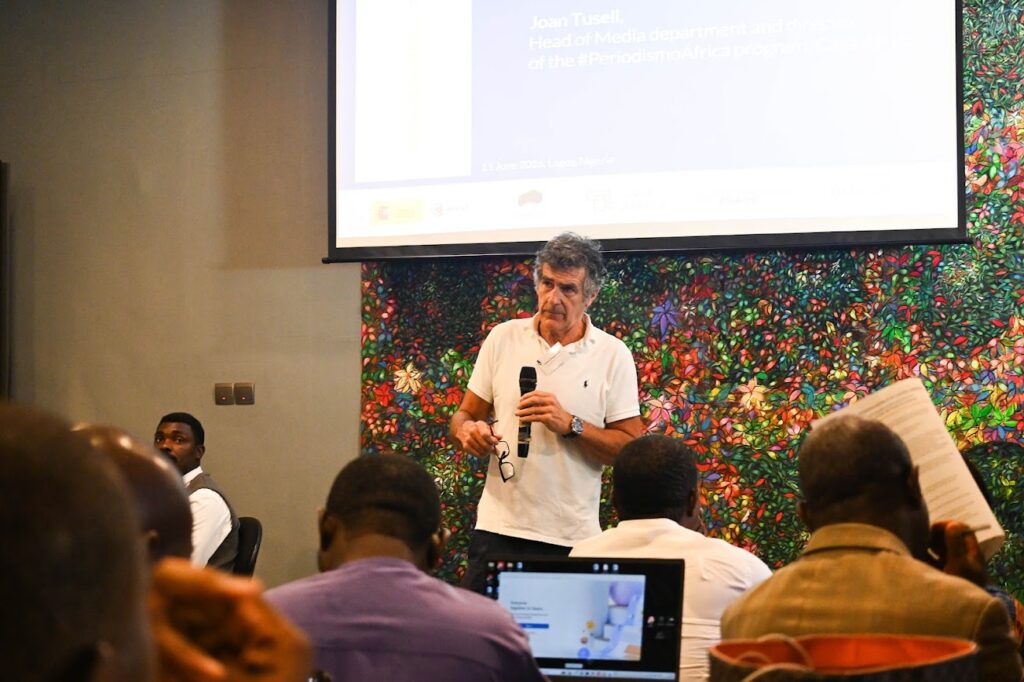
As museums around the world compete for public attention in an increasingly digital age, Carlos Chaguaceda, Director of Communication and Corporate Affairs at Spain’s Prado Museum, says relevance depends not only on collections but also on the stories institutions tell. He spoke during a workshop for arts and culture journalists held at the Yemisi Shyllon Museum of Art, Pan-Atlantic University, Lagos.
Carlos Chaguaceda, Director of Communication and Corporate Affairs at Spain’s Prado Museum.
Spain’s Museo del Prado, located in Madrid, has built a global reputation not only through its collection but also through its ability to communicate effectively with audiences across generations.
During a workshop for arts and culture journalists in Lagos, Carlos Chaguaceda, shared insights into how cultural institutions can remain relevant in a rapidly changing media landscape.
His message was straightforward: ‘‘Collections alone are no longer enough. Museums today must become storytellers”.
The Prado’s communication strategy recognises that audiences are increasingly drawn to narratives, conversations and experiences rather than institutions themselves.
By connecting historical works to contemporary discussions and public interests, museums can create deeper engagement and broader relevance.
For Nigeria, where museums often struggle to attract sustained public attention, the lesson is particularly relevant.
The country possesses an extraordinary cultural heritage spanning centuries of artistic, historical and archaeological significance. Yet many institutions face challenges related to visibility, funding, infrastructure and audience development.
Strategic storytelling can help museums connect with younger audiences, increase visitor numbers and strengthen public appreciation for cultural heritage.
The Lagos workshop also highlighted the importance of collaboration between museums, journalists and communication professionals.
Rather than operating in isolation, institutions are increasingly expected to participate actively in public conversations through digital platforms, media engagement and educational outreach.
The Prado’s experience demonstrates how effective communication can transform a museum from a physical destination into a cultural brand with global influence.
While Nigeria’s museums operate within different realities and resource constraints, experts believe the principles remain relevant.
The challenge is not simply preserving history but ensuring that history remains visible, accessible and meaningful to contemporary audiences.
As cultural institutions adapt to changing audience behaviours, the lessons from Madrid may offer a useful blueprint for how Nigerian museums can strengthen their place within the country’s growing creative and cultural landscape.
For more stories like this, visit ThePress.