World
Europe wants a new Plaza Accord for China – seriously?

Leaders of the G7 rich nations might have gone into this month’s summit in France hoping for a united front against China. But, overshadowed by the conflicts in Iran and Ukraine and alienated by a mercurial US President Donald Trump, the lacklustre gathering came up short.
Instead of declaring a joint plan, as the French hosts had initially hoped, milder summit statements called for Group of Seven cooperation to reduce dependence on foreign supply of critical minerals and to support “balanced, durable and resilient growth’’ against “global imbalances”. China was not named, though it was clearly the target.
So the EU is crying foul and making threats. But if the US failed to reverse China shock 1.0 during Trump’s first term, it seems doubtful a much-weakened EU or even the G7 would fare any better this time.
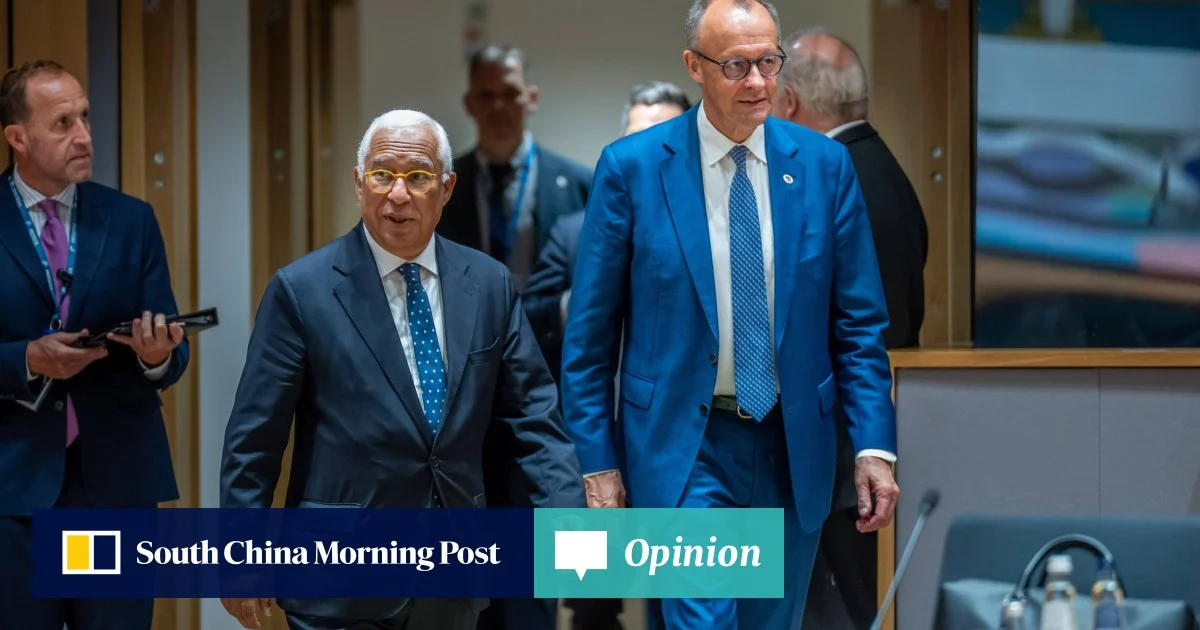
Speaking after a European Council summit in Brussels last week, German Chancellor Friedrich Merz said he strongly supported a tough EU stance against China. Not content with accusing China of dumping goods on the European market because of overcapacity, he now claims the yuan is undervalued by a whopping 30 per cent. Even the International Monetary Fund estimated an undervaluation of only 15 to 16 per cent.