World
‘Worst foreign policy blunder’

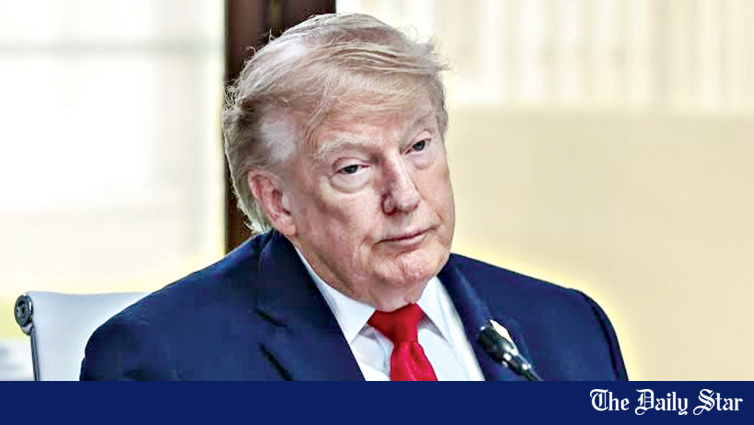
US President Donald Trump’s interim deal to end the Iran war has sparked sharp criticism from both Republicans and Democrats, raising questions about its long-term impact.
Copies of the signed agreement circulated on Capitol Hill Thursday, prompting unusually strong rebukes from Trump’s own party. One Republican senator labeled the framework “the worst foreign policy blunder in decades,” while another called provisions “ill-advised.”
Conservative commentators also broke ranks, reflecting growing unease as the economic fallout from the conflict threatens Republican prospects ahead of November’s midterm elections. Democrats, meanwhile, have also voiced opposition.
Trump fired back on social media, dismissing critics as “fools” and pointing to record stock market highs and falling oil prices. “MAKE AMERICA GREAT AGAIN!!!” he wrote.
The White House sent the text of the US-Iran Memorandum of Understanding (MOU) to Congress a day after Trump signed it. The document matched what officials had outlined earlier, but lawmakers from both parties demanded more information. By Thursday, aides reported no briefings had been scheduled.
Critics focused on reports that the deal would release frozen Iranian assets, allow a $300 billion private wealth fund to spur investment in Iran, and ease sanctions. Senator Bill Cassidy of Louisiana argued Iran’s nuclear ambitions remain unchecked and warned Tehran would exploit threats to the Strait of Hormuz.
He noted that before the war, the Strait was open and Iran faced steep sanctions, but now “13 Americans are dead, families have paid billions at the pump, sanctions will be lifted, and the bombing has stopped.”
Senator Roger Wicker of Mississippi, chairman of the Armed Services Committee, said the MOU “negotiates away” US military gains. He opposed forcing Israel to stand down against Hezbollah and criticised lifting sanctions or unfreezing funds “in exchange for Iran’s mere agreement to negotiate for another 60 days.”
Supporters argue the deal reopens the vital Strait of Hormuz and offers Trump a way out of a costly conflict that has strained US military resources and driven up energy prices. But opponents contend Iran gains significant concessions in return for promises the US already had: an open Strait and a pledge not to pursue nuclear weapons.