World
Iran war keeps regime intact, foes divided

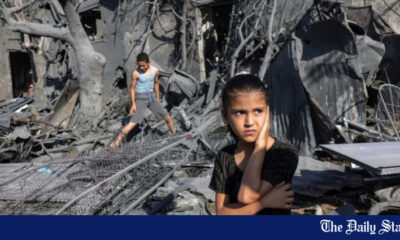
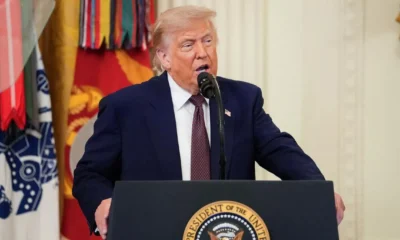
The Iran war, launched by US President Donald Trump with Israel on February 28, was billed as a turning point for the Islamic republic.
Trump argued it would spark an uprising after January’s mass protests, the most serious challenge to Iran’s clerical leadership in years. But months of fighting failed to topple the regime, leaving opposition groups fractured and dissidents facing harsher repression.
Exiled figures such as Reza Pahlavi, son of the last shah, struggled to unify opposition movements abroad, while Nobel laureate Narges Mohammadi and other activists inside Iran remain under pressure.
Analysts say infighting among exiled factions has deepened, while domestic opposition has been weakened by decades of crackdowns.
Rights groups report thousands killed in protest crackdowns, alongside fresh arrests and more than 40 executions since the war began. Internet blackouts and economic hardship compounded the suffering. “This war was never about human rights,” said Mahmood Amiry Moghaddam of Iran Human Rights, arguing authorities used it to intensify repression.
The US-Iran memorandum of understanding to end the war has fueled anger among dissidents. Tehran resident Sima, 34, said peace with the regime “would feel like making peace with my executioner.”
Pahlavi warned that negotiating with Iran after the crackdown was “morally wrong and strategically misguided.”
Other opposition leaders, including Maryam Rajavi of the People’s Mujahedin, criticized both monarchists and the regime, while Amnesty International cautioned that protesters remain at grave risk.
Despite Trump’s claims the war targeted Iran’s nuclear program, many Iranians feel betrayed by the deal, fearing it will only strengthen the regime’s hand.