World
With Trump’s Iran deal, the October 7 wars are over. Israel really has no idea what to do next

Two days after the Hamas attacks of October 7, 2023, Prime Minister Benjamin Netanyahu promised that “we are going to change the Middle East.”
That phrase was used by Netanyahu repeatedly over the next two and a half years, as Israel went to war against Hamas, Hezbollah, and Iran.
“We turned Israel into a regional power that deters and defeats its enemies,” Netanyahu boasted in March, at the height of the US-Israeli campaign against Tehran.
At the time, the Iran war looked like the successful culmination of Israel’s military response to October 7, 2023. It had delivered painful blows to Hamas and Hezbollah, and was now fighting alongside the most powerful military in history to topple the Iranian regime and permanently end the threat posed by the Iranian axis.
The defeat of Israel’s enemies had finally arrived, it seemed.
Now things look very different. The Islamic Republic’s grasp on power seems more secure than ever, Israel has lost the legitimacy to respond to direct Hezbollah attacks on its territory, and US President Donald Trump is about to sign a deal with Iran that achieves none of the goals stated by either the US or Israel at the outset of the war on February 28.
The post-October 7 wars, which came with expectations and promises of total victory, are over, as are its illusions. Palestinians are not going to leave Gaza. Hamas won’t disarm, nor will Hezbollah. Trump is not going to return to war in Iran, and Tehran can now threaten to withdraw from a deal to get Trump to stop any major Israeli operation against Hamas or Hezbollah.
Threats haven’t disappeared, and enemies haven’t been defeated. Israel will continue to face threats from the same adversaries, and will have to fight wars against them some time in the future, whatever this or subsequent American presidents have to say.
The Middle East has certainly changed, and many of Israel’s enemies are indeed weakened. But many of the changes — with Iran’s emboldening and Trump’s imposed restrictions on Israel most emphatically at the forefront — are not in Israel’s favor.
In this emerging and challenging reality, likely shaped by a new US-Iran deal, Jerusalem will also have to find new ways to act and new means of achieving goals beyond military force.
Goals abandoned
It is today painfully obvious that this is not the outcome Israel wanted, nor is it the outcome other US allies in the region expected, when the two allies went to war a little over 15 weeks ago.
Trump and his staff made explicit promises at the outset of the war.
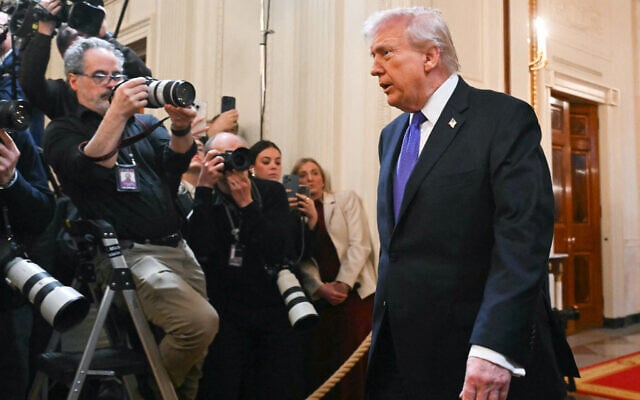
“Our objectives are clear,” said Trump on March 2. “First, we’re destroying Iran’s missile capabilities… Second, we’re annihilating their navy… Third, we’re ensuring that the world’s number one sponsor of terror can never obtain a nuclear weapon… And finally, we’re ensuring that the Iranian regime cannot continue to arm, fund, and direct terrorist armies outside of their borders.”
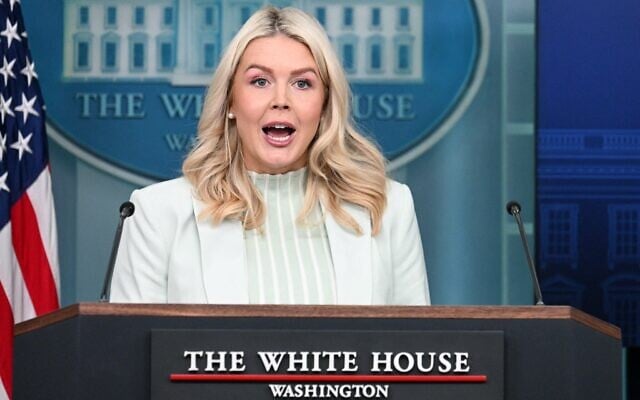
White House Press Secretary Karoline Leavitt said repeatedly that dealing with Iran’s missile program and its proxies was a stated objective of the operation.
The exact details of the MOU remain unclear, but in no version leaked to the media does the agreement touch on ballistic missiles or Iran’s support for terrorist groups.
It will, rather, provide for an end to US military operations and blockade in exchange for Iran re-opening the Strait of Hormuz and agreeing to talk about its nuclear program, while enjoying some sanctions relief. Trump will get reduced prices at the gas pump ahead of the midterms. The US will not have definitively blocked Tehran’s path to the bomb, nor will it have removed Iran’s 440-kilogram stockpile of highly-enriched uranium; those central issues have been set aside for 60-days of post-MOU negotiations, in which Iran can be reliably expected to resist all substantive concessions.
Not exactly a case of Iran bending to US military might or Trump’s threats.
The MOU also represents a complete abandonment of the protesters who took to the streets earlier this year to demonstrate against the regime.
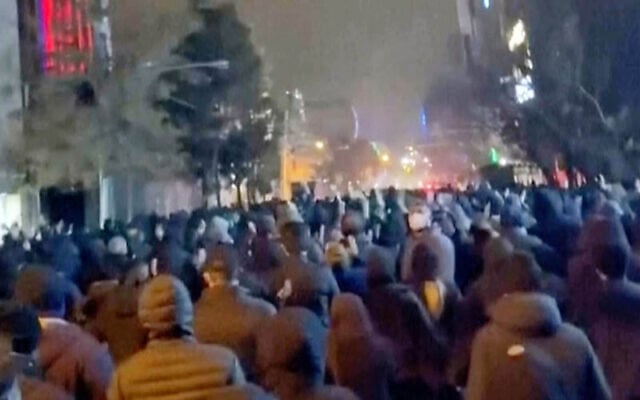
“Iranian Patriots, KEEP PROTESTING – TAKE OVER YOUR INSTITUTIONS!!!” Trump wrote on Truth Social during the protests. “Save the names of the killers and abusers. They will pay a big price.”
“HELP IS ON ITS WAY.” he promised.
While Trump repeatedly claims to have achieved regime change, the MOU, and any subsequent deal, will only strengthen the same regime that mowed down tens of thousands of Iranians.
“While the new regime in Iran has not come out of this confrontation stronger right away, it appears clear that shortly it will be much stronger,” according to Danielle Pletka of the American Enterprise Institute.
“The old guard has been swept away,” she continued, “the IRGC is firmly in charge; Iran’s leadership has proven it can withstand the combined might of the United States and Israel; its proxy warfare is untouched; and the new Iran that rises from the ashes will be more dangerous to the United States and its allies.”
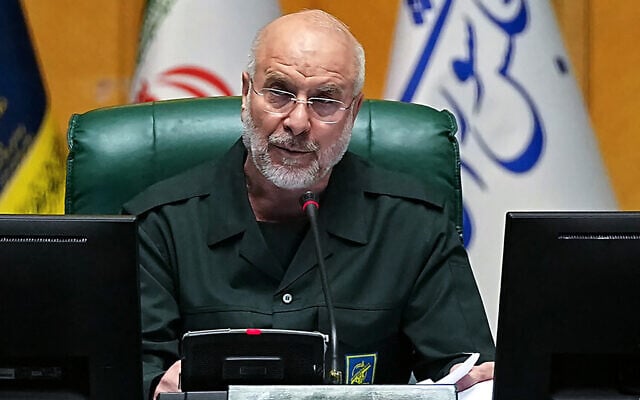
Any limits on its nuclear program that Iran agrees to will be accompanied by the release of billions of dollars of frozen assets, or the lifting of sanctions that will pour many billions more into regime coffers.
That money is going to go to two main purposes — to rebuild the military assets that were lost in the war, and to help its armed proxies recover. Whatever money does filter down to the Iranian public will only be enough to help release pressure in a shattered and mismanaged economy.
Iranian influence spreads
Iran’s influence in the region is set to recover, as well, in the wake of the agreement.
Since October 7, Israel had been hammering Iran’s proxy network in Gaza, Lebanon, and beyond. Hezbollah agreed to a humiliating ceasefire in 2024, and sat quietly while Israel continued to take out hundreds of its fighters.
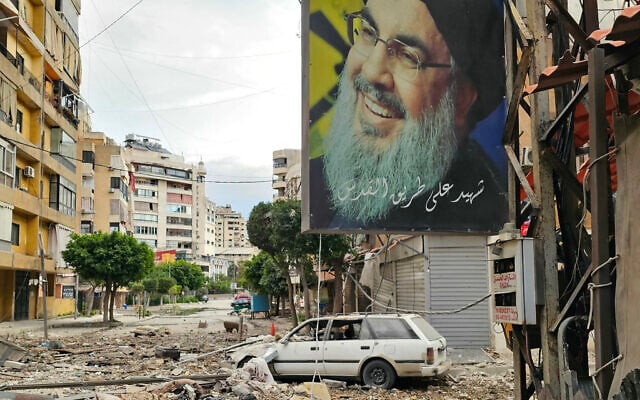
With Hezbollah’s wings clipped, Syrian rebels were able to quickly topple the Bashar Assad regime, taking out another key cog in the Iranian machine.
Iran quietly helped Hezbollah recover somewhat, and with the US-Israeli attack, the Shiite group resumed its fire on Israel. Many Israeli decision-makers saw an opportunity to deal Hezbollah a fatal blow, but Iran succeeded in rescuing its loyal proxy by conditioning any ceasefire with the US on a truce in Lebanon.
Trump, increasingly desperate for a halt in the fighting, agreed to this in April. But Hezbollah kept firing at northern Israel and at IDF troops in southern Lebanon, and Israel kept fighting back.
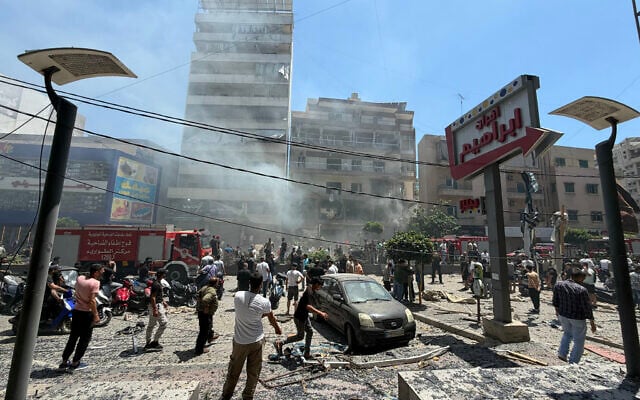
When Hezbollah attacked Israel with drones four times over the weekend, Israel responded with a strike in the Hezbollah stronghold in Beirut, risking the president’s displeasure.
And, indeed, Trump would have none of it. “This morning’s attack on Beirut should not have happened, particularly on a special day when we are so close to a peace deal with Iran,” Trump wrote later Sunday.
“Israel has the right to defend itself against threats, but the attack it was responding to was very small and meaningless, nobody was hurt, injured or killed and should not disrupt this important process.”
Never mind that Trump had said last week that the US “must, of necessity, respond” to the Iranian downing of an American helicopter in which both pilots escaped uninjured, which the US military did.
As part of its plan for Lebanon, the US has been investing significant effort in propping up the Beirut government and giving it the legitimacy to clear parts of Lebanon of Hezbollah arms. That effort is entirely undermined by the MOU. Trump has accepted the Iranian demand that a ceasefire between the US and Iran extend to the fighting between Israel and Hezbollah — meaning that what happens in Lebanon is still determined in Tehran, not in Beirut.
“Israeli leaders are given a choice between avoiding a conflict with the president,” said Michael Oren, a former Israeli ambassador to the US, “or basically surrendering the northern part of the country.”
A new Middle East
As Israel seeks ways to defend itself, deter its enemies, and strengthen alliances in the new reality, its leaders will discover that other aspects of the Middle East have changed while it has been at war.
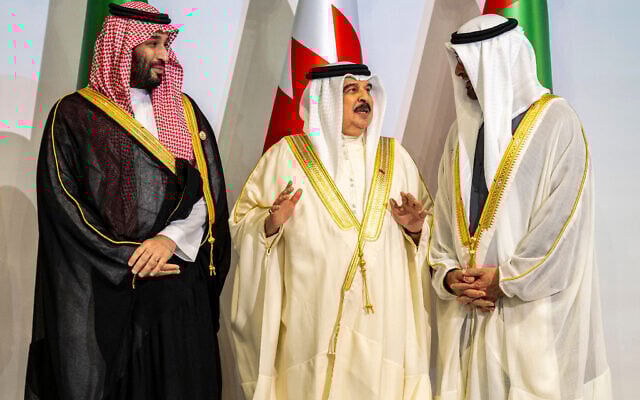
Arab countries in the region have sought for years to find a way to guarantee stability and security. They certainly saw Iran as the major threat, and in recent years tried to stave off any attacks by Iran and its proxies through dialogue with the Islamic Republic.
That approach failed spectacularly during the war, as Iran targeted nearly all the Arab countries in the region.
But it is not only Iran that they see as an aggressive military power destabilizing the region. They are also unnerved by Israel’s post-October 7 approach, and its willingness to carry out strikes across the Middle East, including in Qatar when it was mediating talks to release hostages.
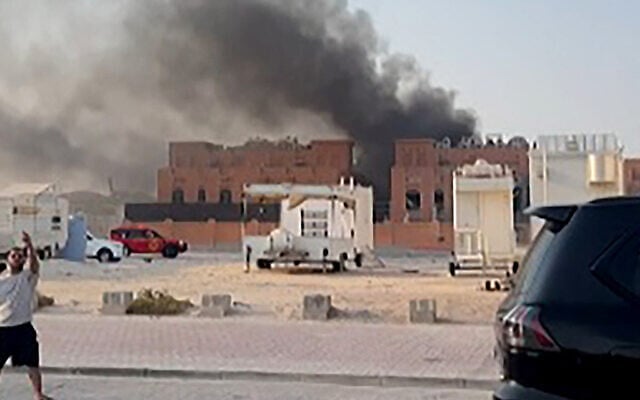
The Arab countries are increasingly working together to end conflicts, and are creating a regional architecture through which they speak with one voice to the US.
That architecture is open to dialogue with Iran, despite the attacks. The Arab states still see Iran as their greatest threat, but are convinced that military force will not end the threat or bring the regime down.
Officials from a range of Arab countries that were targeted by Iran, including the UAE, have held meetings with their Iranian counterparts in the past few weeks.
The signal that Arab countries have been sending in recent years is that Israel — like Iran — is also welcome to enter ongoing dialogue with them; indeed, many of them have hosted Israeli security officials or attended multilateral meetings with Israelis.
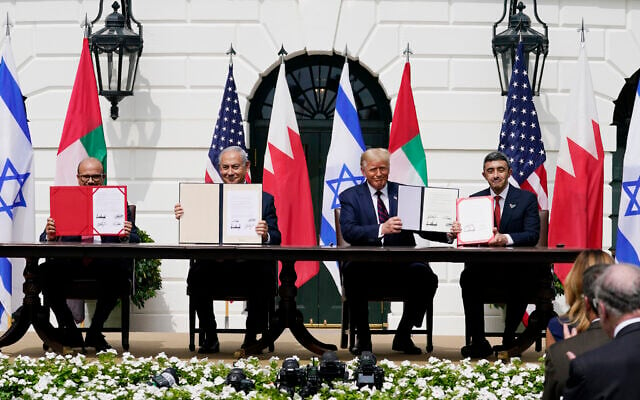
Despite that openness to dialogue with Israel, an expansion of the Abraham Accords, especially an agreement with Saudi Arabia, seems extremely unlikely. They don’t need Israel in order to access the White House. Far from it: Arab countries have been increasingly influencing US policy in the region, while Israel is witnessing a series of decisions by Trump that go against its interests.
“Without meaningful progress on the Palestinian issue, Gulf leaders have little political incentive to deepen ties with Israel,” wrote British military analyst Andrew Fox on Monday. “More importantly, they have reached a sober assessment of Iran itself. Whatever damage has been inflicted on the regime, it remains the dominant power on the northern shore of the Gulf and will continue to be a permanent feature of the regional landscape. Attempts to isolate Tehran completely or force its collapse no longer seem realistic.”
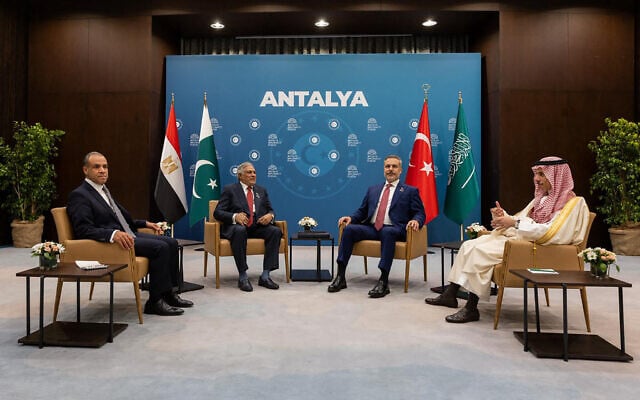
Another informal alliance has emerged as well. Egypt, Saudi Arabia, Turkey, and Pakistan have created a quadrilateral partnership to balance against both Israeli and Iranian power. The foreign ministers of the four countries have met in Riyadh, Islamabad and Antalya to push for an end to the Iran war and to throw their collective muscle behind Pakistani mediation efforts.
Israel will have to figure out how to communicate with that alliance, especially given the presence of Turkey, one of its most bitter critics on the world stage.
Netanyahu alone
In the face of Trump’s decision to press ahead with an MOU on terms Israel deplores, Netanyahu finds himself with no recourse in the US system.
“We have no friends who will stand up to Trump,” said Oren bluntly.
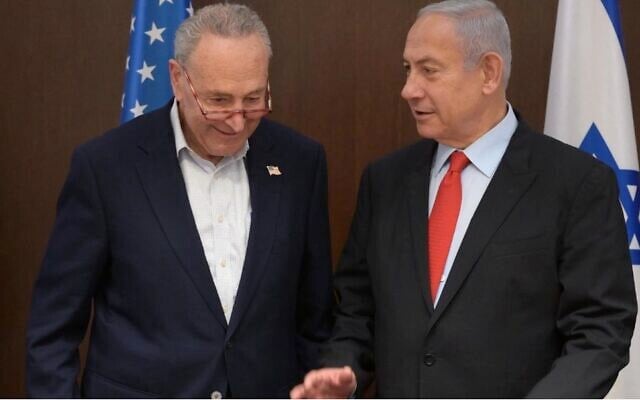
Netanyahu cannot turn to the Democrats for support, as they long ago soured on him, and increasingly on Israel itself.
Though they still answer his calls, Republicans in Congress won’t defy Trump to help Netanyahu either.
And forget about turning to allies elsewhere. Netanyahu has thrown in his lot entirely with Trump. Now that the strategy has led to something quite different from what he expected, the prime minister doesn’t have world leaders ready to stick their necks out for him or for Israel.
In the eyes of most of the region, Netanyahu himself is too toxic a figure at this point to partner with them on regional integration. He is the leader who led the war in Gaza. Moreover, he is seen as too concerned about domestic politics, and self-interest, to be trusted.
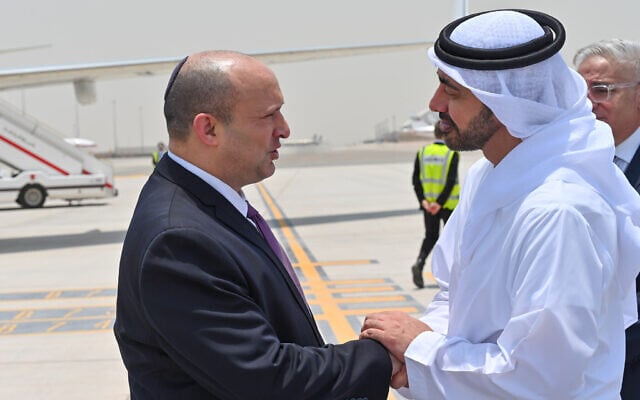
Netanyahu reportedly decided to publicize his wartime visit to the UAE — a trip that the UAE had reportedly asked to keep secret and which Abu Dhabi has publicly denied took place — in order to reduce the political impact of a planned trip to the Gulf state by political rival Naftali Bennett.
Netanyahu could start making some moves to shift the discourse around Israel and show some goodwill toward potential partners in the region and beyond. That could include cracking down forcefully on Jewish violence in the West Bank, and agreeing to some symbolic moves on the Palestinian front.
But his current government doesn’t give him the maneuverability he needs to adapt to the new and challenging era. The right flank of his coalition won’t let him solve soaring extremist settler violence or make any gestures toward the Palestinian Authority.
A powerful country with deep ties in the region and beyond, Israel will eventually find options moving forward, and opportunities to improve its standing. But with Trump’s MOU, the wars that began on October 7 are over. And, under Netanyahu, Israel has no plan for what to do next.