World
Why Trump desperately needs Nato’s help to get out of his mess in Iran

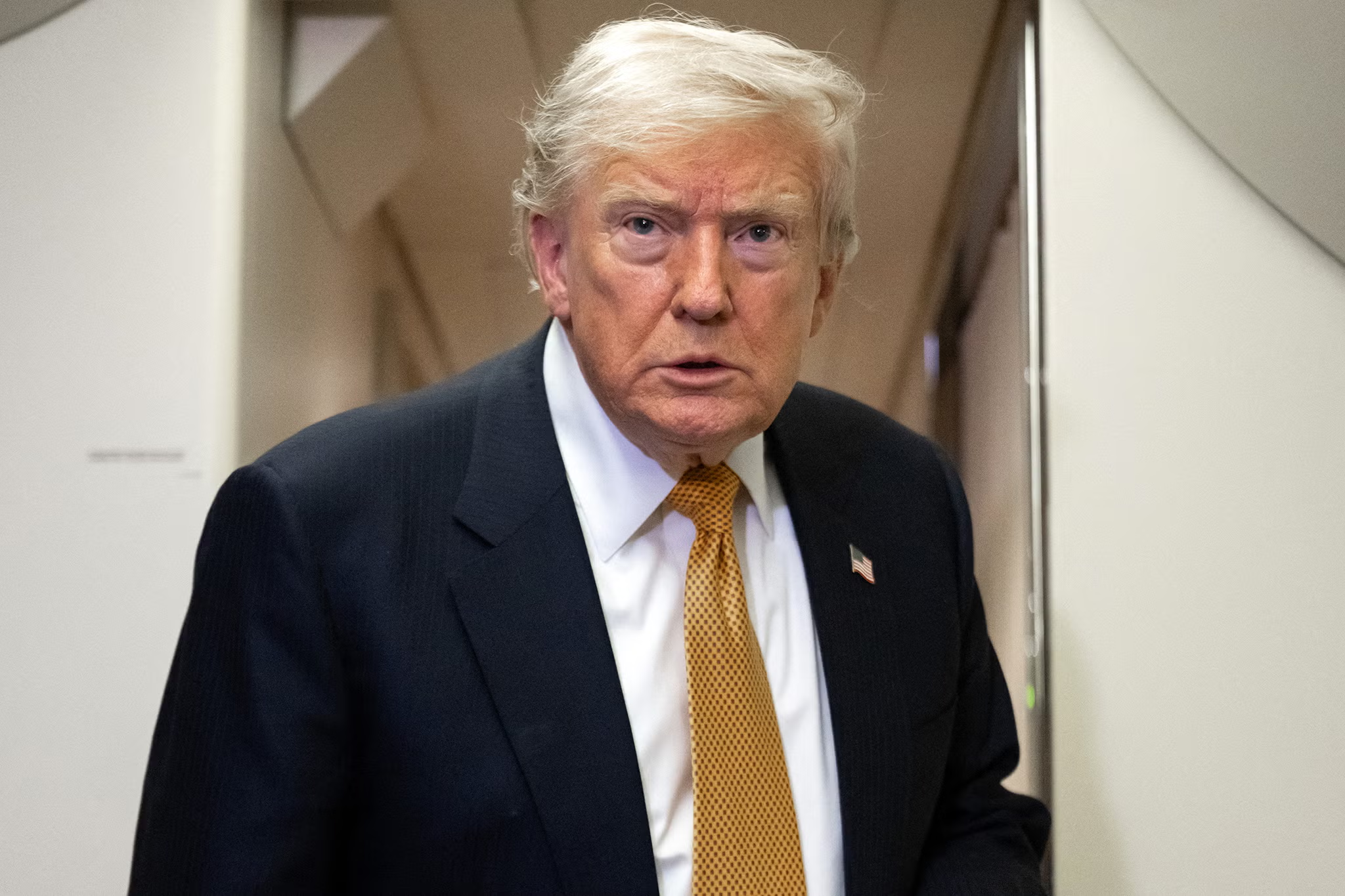
Barely a month has passed since Donald Trump told the world’s ships to “start your engines and let the oil flow!”. The war in Iran, he told us in a burst of joy, was over for good.
His optimism did not last long. On Wednesday, the US struck more than 80 targets in Iran in response to attacks on three oil tankers in the Strait of Hormuz. Hours later, Trump said a ceasefire agreed as part of an interim peace deal was over and labelled the Tehran regime “scum”. After a second night of strikes, he claimed Tehran had called and “want to make a deal so badly”.
There is still hope that diplomacy will prevail over the madness of a return to war. On 26 June, Iran and the US traded strikes before returning to dialogue. But the fact that such bursts of aggression are met with a collective shrug by the global community speaks to the absurdity of the peace process. Trump summarised it best himself when he remarked last month that a ceasefire in the Middle East is just “shooting in a more moderate manner”.
The current crisis has been brewing for weeks and originates in the rushed memorandum of understanding agreed between both sides last month. Few documents that have ended wars ever span two pages, but the White House insisted that the crucial finer points – on nuclear weapons, the Strait of Hormuz and Iran’s $6 billion of frozen assets – would be worked out during a 60-day period of intense talks. By kicking the can down the road, Trump repeated his familiar mistake: sacrificing the detail in pursuit of the headline.
This is nothing new, it is the Trump playbook. Fires are started and hastily put out and then the toxic gas left to linger. Less than a year after agreeing his “Deal of the Century” in Gaza, Israel is continuing to push deeper into the territory and Hamas remains armed. Venezuela is reeling after a devastating earthquake, the response to which was hampered by an incompetent, corrupt government installed by Trump after the capture of Nicolas Maduro.
Trump had good reason to scrub Iran from the front pages as quickly as possible. The war has weighed heavily on his popularity, with his approval rating dropping to its lowest level (34 per cent) of his second term in a Reuters/Ipsos poll. Just 36 per cent of Americans support the war and it has caused significant discontent within Republican ranks despite his autocratic grip on the party.
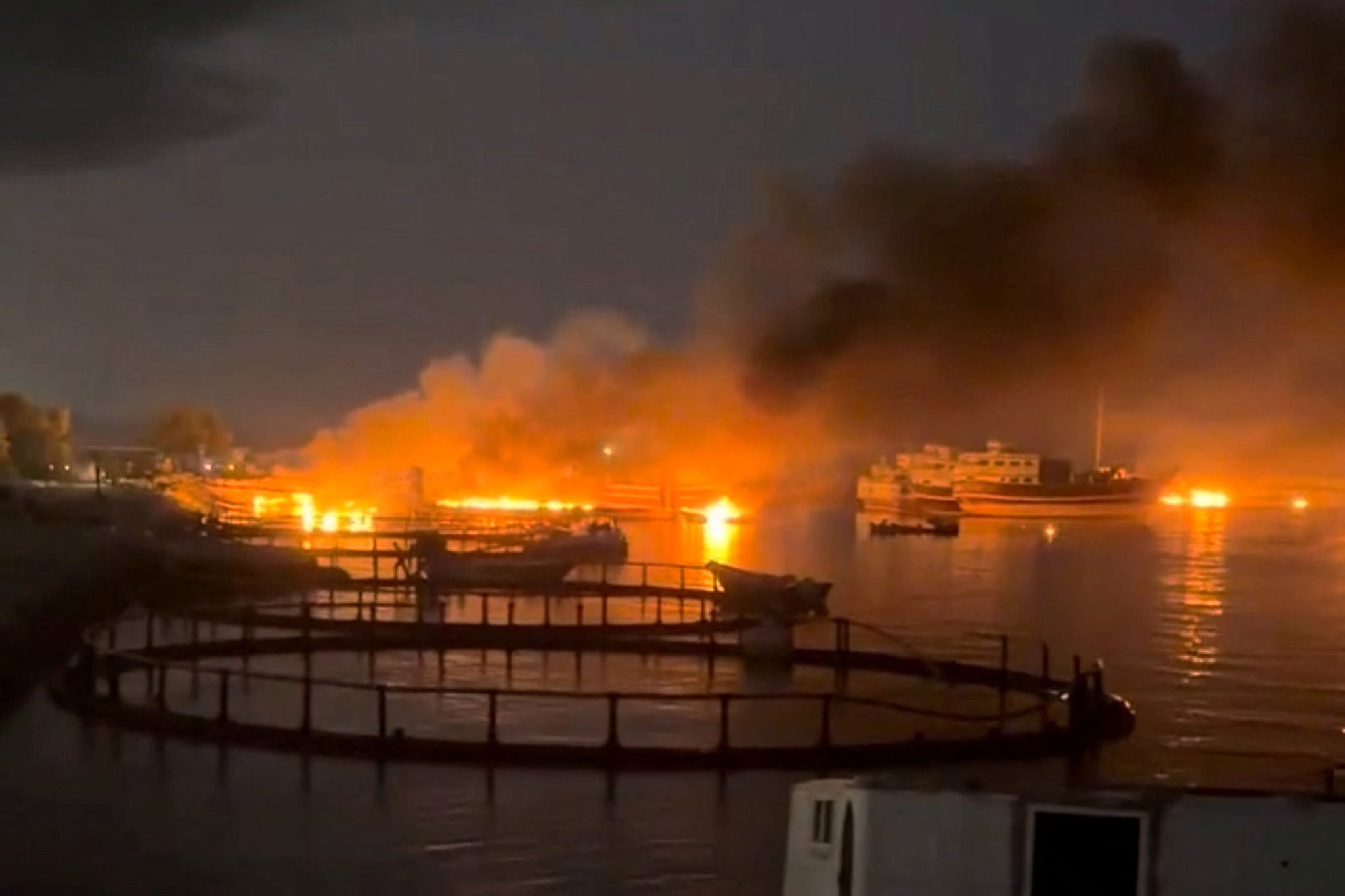
A brief glance at the memorandum of understanding reveals several gaping holes which Tehran has willingly exploited. “The Islamic Republic of Iran will conduct dialog with the Sultanate of Oman to define the future administration and maritime services in the Strait of Hormuz,” it says. Conceding control of the waterway to Iran at an early stage was an avoidable but catastrophic error. Iran’s most important leverage has always been its weaponisation of the Strait, allowing it to disrupt oil exports and squeeze the global economy. Codifying this before serious negotiations had even begun was irresponsible and dangerous.
It is no wonder that Iran has continued attacks on vessels transiting through the Strait when it is in Tehran’s economic and political self-interest to prolong the uneasy limbo that the conflict has been suspended in since March. With traffic on the route steadily returning to normal, Tehran is seeking a situation in which it can eventually manage navigation, extract a fee and also regularly reassert its military might.
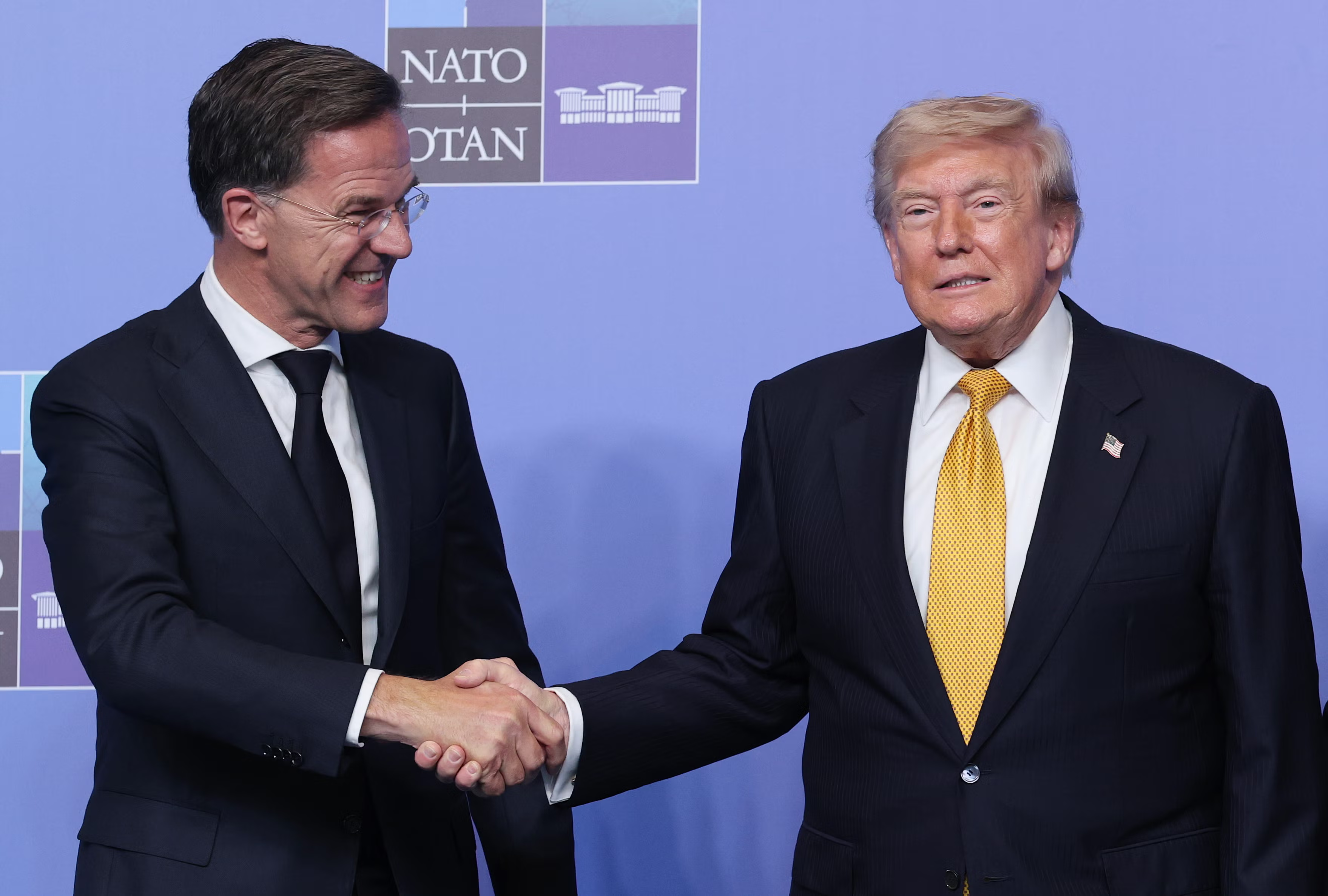
An exhausted and disenfranchised Nato has given up on brainstorming a solution to Trump’s quagmire in Iran. Just weeks ago, the UK and France promised to contribute drones, fighter jets and a warship as part of a joint mission to safeguard shipping in the Strait. Sir Keir Starmer and Emmanuel Macron reiterated their willingness to deploy these forces last Friday, but momentum behind the initiative has evidently stalled as it was not mentioned once at the Nato summit in Ankara. The alliance’s secretary general Mark Rutte had little to offer beyond performing his best impression of Gianni Infantino, nodding along and smiling as Trump trashed European allies.
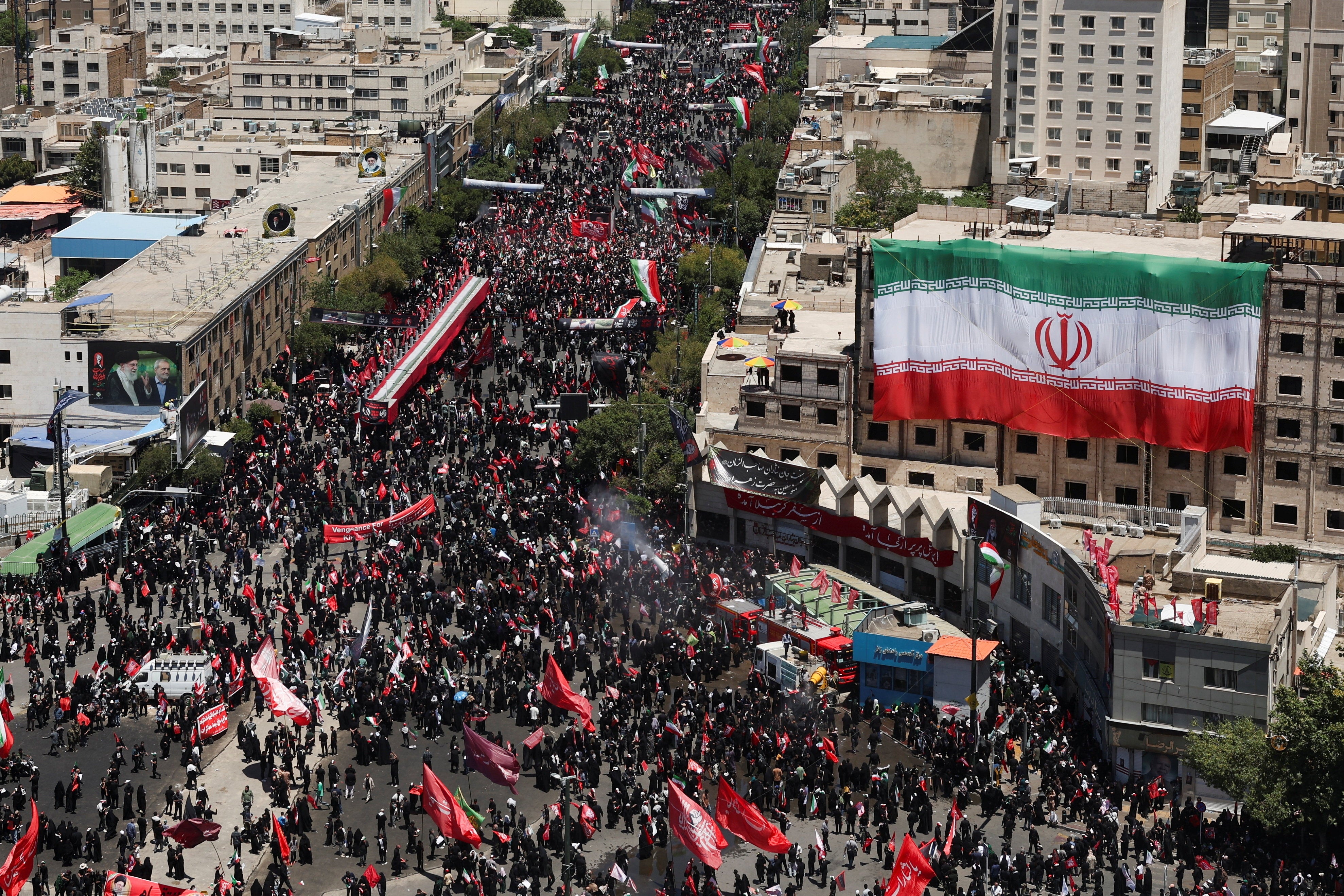
China has stayed out of the most recent flareup despite being in the unique position to influence both parties. Beijing is happy to see the limits of American power exposed so brutally, while safeguarding itself through an ambitious rollout of renewable energy and maintaining its massive strategic oil reserves. Trump’s visit to Beijing in May ended without any cooperation on Iran. But President Xi Jinping will know that a global economic downturn will ultimately harm China. Stepping in to save the ceasefire and put talks on the right track could allow him to position himself as the adult in the room on the world stage.
There is no amount of blood-curdling rhetoric or gaslighting of allies that will drag Trump out of this mess. A return to bombing is unthinkable with midterm elections approaching that he is currently on course to lose badly. Equally, the conflict cannot persist in a no man’s land: the consequences for the Gulf and the wider global economy are too severe.
A leader must emerge out of the fog and spearhead a coordinated effort to rescue Trump from the abyss. Shrugging is no longer an option.