World
Inside Trump’s tense 24 hours in the White House that ended the Iran ceasefire

Barely two weeks ago Donald Trump praised Iran’s leadership as “very rational people” who were “nice to deal with” as he laid on the merits of a new agreement to end the war.
But by Wednesday, that optimistic tone had been all but forgotten as the president hit out at the “sick” and “evil” people leading the country, who he assessed could not be trusted to keep to a deal.
Asked why his position had changed so suddenly, Trump told a Nato summit in Ankara that he “got to know ‘em”. He suggested the US could achieve its goals without a deal, and authorised two nights of strikes on Iranian ports, islands and boats.
The strikes began on Monday night, after Trump was interrupted on his way to Turkey by his national security aides with reports of new Iranian strikes in the Strait of Hormuz, according to the Wall Street Journal.
For its part, Iran has not claimed responsibility for the strikes.
But Trump reacted furiously to the news, revoking Iran’s license to sell oil and telling the military to hit back. Speaking in Ankara, Trump suggested he could reimpose the US blockade of Iranian ports in an effort to wrestle back control of the strait.
How the deal unravelled
Trump has had two weeks to “get to know” the regime since talks kicked off in Switzerland, following the announcement of a memorandum of understanding to stop the fighting and begin 60 days of negotiations aimed at a final resolution.
His vice president, JD Vance, said the talks created a “good foundation for a successful final deal”. But the interim agreement left key issues up in the air, inviting friction around the Strait of Hormuz.
Nate Swanson, a former career State Department official, told CNN the problem is that the accord “didn’t actually resolve anything”.
“There still seems to be this persistent focus on this big Phase 2 deal, where the reality of the situation is they really just need to codify and clarify the Strait before moving on to other things. They have not done that.”
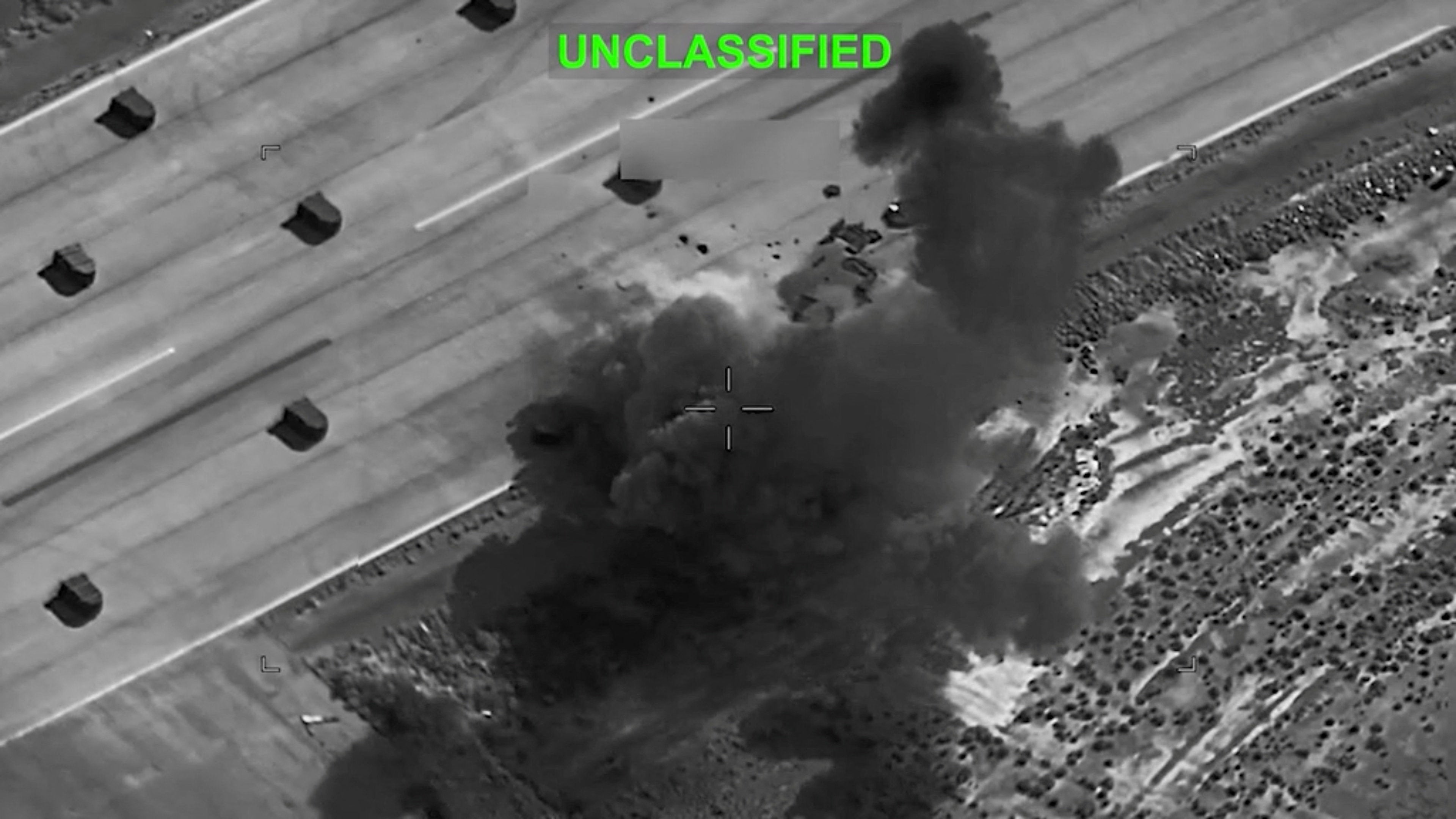
Signs of wear were apparent by the end of June, when US Centcom carried out two waves of strikes against Iran in response to reported attacks on commercial ships in the Strait of Hormuz.
Trump typically then threatened that Iran “will no longer exist” if it continues to test Washington’s patience. Within days, he was back to saying they were “getting along very well” and that he believed the country has “come a long way”.
Hanging over negotiations was the constant worry that the memorandum of understanding did very little to formally resolve the issues that were prolonging the conflict in the first place.
The two sides were supposed to stop the fighting to talk through the thorny nuclear issue. But the war meant there was now also uncertainty over the Strait of Hormuz and the war in Lebanon to contend with.
Iran maintains that any challenge to Iranian oversight over the strait will only “increase tensions”, and has shown willing to continue striking American allies in the region when struck for asserting itself on the water.
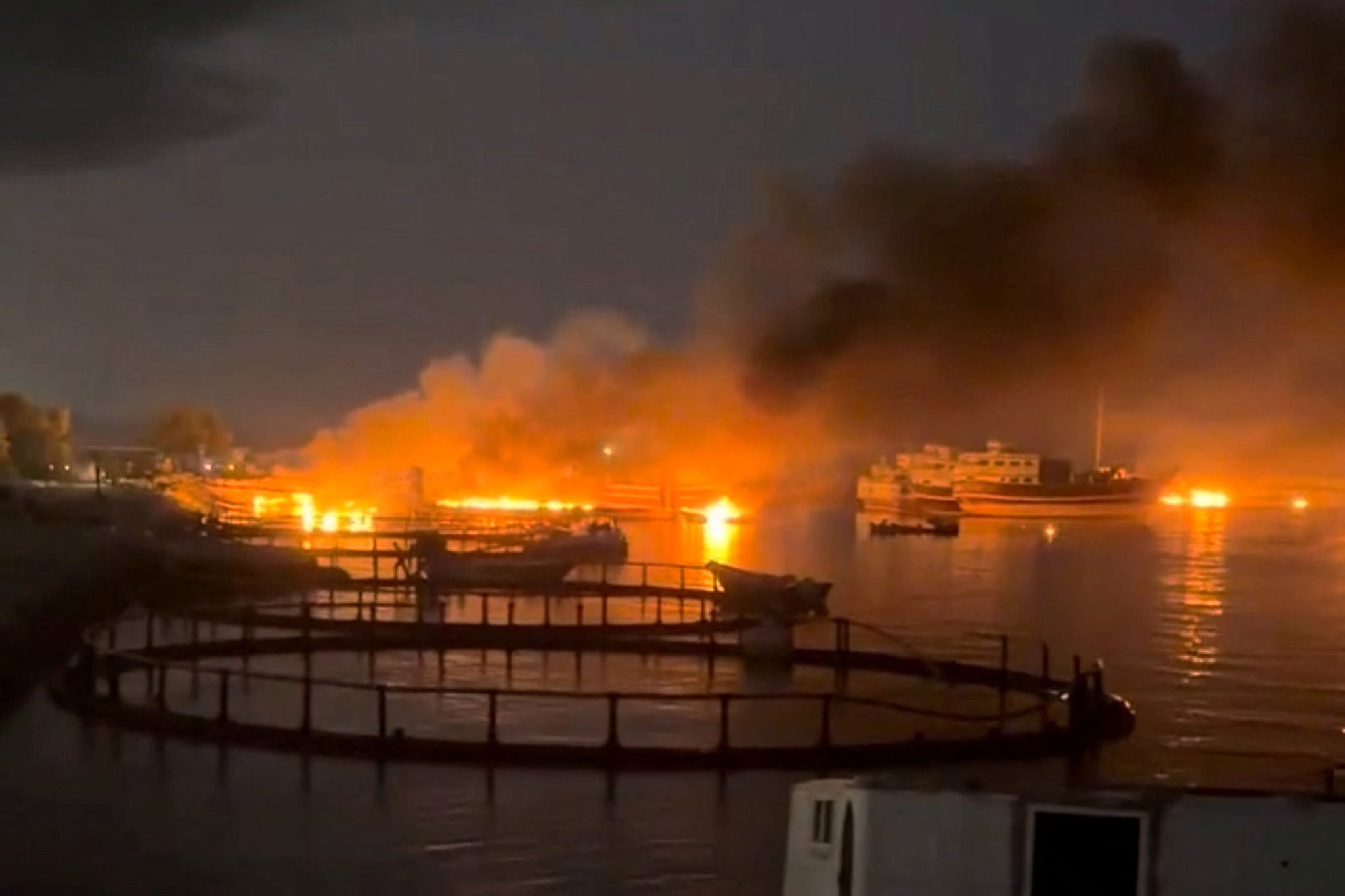
Iran on Wednesday vowed to strike “enemy” targets at a ratio of 2:1 as Trump piled on the threats. The US president hit back that the US would strike Iran with a ratio of “20-to-1”.
Talks descended into farce when the American negotiators, led by US special envoy Steve Witkoff and Trump’s son-in-law Jared Kushner, arrived in Doha at the start of July for talks about the talks, with Iran absent.
Even now, the United States military continues to pound Iran as Trump keeps open the door to further talks. Minutes after saying the MoU was “over”, Trump said he would let “our wonderful negotiators keep talking if they want”.
Those diplomats still have around six weeks to resolve the complex issues that existed before the war, as well as those created by it.
But without clear progress, and with an interim agreement that fails to curb Iran’s ambitions in the Strait, it remains to be seen how both sides move on from here.