World
US gasoline slips below US$4 a gallon for first time since April

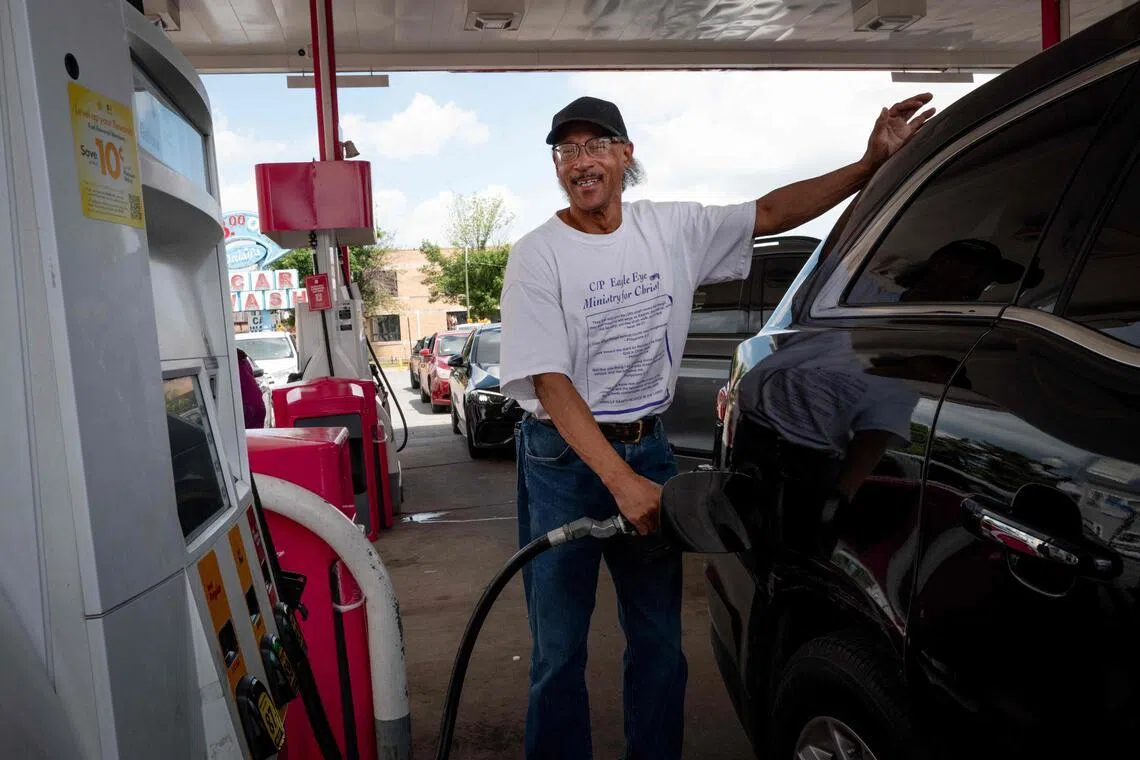
NEW YORK – US average retail gasoline prices dipped below US$4 a gallon for the first time since mid-April, as optimism grew that a preliminary deal between the United States and Iran would lead to the reopening of the Strait of Hormuz, a critical passageway for global oil supplies.
The decline in fuel prices, if sustained, could offer some relief to the Trump administration, which had promised to lower energy prices for consumers. US President Donald Trump and Republican lawmakers, who are campaigning to defend narrow majorities in both houses of the US Congress in November’s midterm elections, have faced backlash over the rising cost of fuel.
Breaching the US$4 a gallon threshold is largely viewed as a psychological barrier at which point some consumers begin changing their behaviour, such as cutting back on fuel consumption.
Trump said the text of the deal would be released after a formal signing ceremony on June 19 when he also said the Strait of Hormuz would be fully reopened. However, experts say it could still take weeks for the shipping traffic to return to normal as removing mines from the waterway is a complex process.
“The real test now shifts to the Strait of Hormuz, where any reopening and resumption of normal oil flows would be the clearest signal that this relief is durable,” said Patrick De Haan, head of petroleum analysis at GasBuddy. “For now, the national average could continue falling, provided there isn’t a drastic reversal and the US and Iran continue moving in a positive direction.”
US national average retail gasoline prices dipped to US$3.997 a gallon on June 14, falling below the US$4 mark for the first time since mid-April, according to GasBuddy data, though prices are still up 90.8 US cents from the same time in 2025.
National average prices were at US$4.065 on June 15, according to motorist group American Automobile Association.
As of June 15, Americans have collectively spent about US$46 billion (S$79 billion) more on gasoline since the start of the war, De Haan said.
Gasoline prices rose above US$4 in late March after Iran blocked most shipping through the Strait of Hormuz that handles nearly a fifth of global oil flows. In May, US consumer inflation rose above 4 per cent for the first time in three years. Easing gasoline prices led to a moderation in consumers’ inflation expectations this month, according to the Labor Department.
However, whether the relief will last is still unclear.
“This is a fragile structure,” said SEB chief commodities analyst, Bjarne Schieldrop. “It can easily break down. There may be details which cannot be overcome,” Schieldrop said in reference to the US-Iran memorandum.
The US gasoline market is also facing a looming supply crunch, with resilient domestic demand and robust fuel exports threatening to strain the already thin inventories and send gasoline prices climbing. In the first week of June, gasoline stocks sank to their lowest seasonal level in a decade, just 215.1 million barrels, according to government data.
If no substantial progress is made on clearing the strait, reinstating insurance on vessels and curbing violence by Iranian proxies, the reprieve may be short-lived, said Tom Kloza, chief energy advisor of Gulf Oil. REUTERS