World
US And Iran Agree To Halt Strikes Ahead Of Qatar Talks On Hormuz Amid Efforts To Salvage Fragile Truce

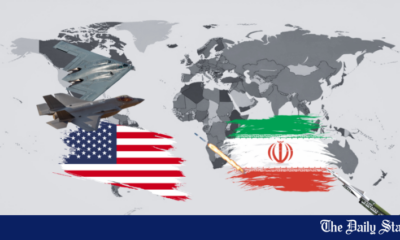
Tehran: The United States and Iran have reportedly reached an understanding to cease attacking one another and are set to hold senior-level discussions in Qatar on Tuesday. The understanding between the two nations is a fresh bid to preserve their fragile peace deal. The US and Iran will halt strikes after intensified military exchanges in the past two days that threatened to unravel the breakthrough agreement announced only a fortnight ago.
According to reports, both Washington and Tehran have consented to suspend all ‘kinetic activity’ while technical negotiations over the Strait of Hormuz proceed. The development followed barely 11 days after the two countries declared an interim accord to end months of confrontation.
Just two days ago, the truce was thrown into uncertainty almost immediately, as both sides carried out new strikes based on conflicting interpretations of the deal. Despite the recent violence, the top negotiators from the two governments are now expected to convene in Doha in an effort to steady the agreement and avert a further military escalation.
Doha Meeting Seeks To Steady Ceasefire
Senior American officials confirmed that Washington and Tehran had agreed to pause military operations in advance of Tuesday’s talks. “We decided to stop all the kinetic activity,” one senior US official stated to local media. A second official noted that both parties would stand down “for now” and added that “vessels can move freely” while technical discussions continue.
The gathering was originally slated to take place in Switzerland as part of negotiations concerning Iran’s nuclear programme. However, following renewed military exchanges over the weekend, diplomats moved the venue to Doha and refined the agenda to focus on resolving disputes tied to the Strait of Hormuz.
Nick Stewart, who leads the US technical team, is anticipated to take part in the discussions, though the White House has not commented publicly on the planned negotiations.
Strait Of Hormuz Emerges As Key Sticking Point
The Strait of Hormuz has become the principal obstacle to implementing the memorandum of understanding (MoU) between Washington and Tehran. Under the terms of the deal, Iran pledged to make its best efforts to ensure the safe passage of commercial shipping through the strategic waterway. In exchange, the US committed to lifting the naval blockade of Iranian ports.
To help prevent further confrontations, the negotiators who met in Switzerland last week also agreed to set up a direct military ‘hotline’ between US forces and Iran’s Islamic Revolutionary Guard Corps (IRGC) to coordinate maritime traffic through the Strait. Though the US officials stated that the communication channel had still not been activated by the weekend.
At the same time, Tehran resumed insisting that vessels transiting the Strait of Hormuz coordinate directly with the Iranian administration, a stance Washington believed exceeded the original understanding reached during talks. The differing interpretations immediately became the catalyst for the most recent military clash.
Weekend Strikes Bring Truce Close To Collapse
The diplomatic stance followed one of the most critical weekends since the ceasefire was declared. Iran fired missiles and drones at US military installations in Kuwait and Bahrain after Washington conducted strikes on Iranian military sites.
The United States said that the operation was aimed at missile and drone infrastructure, coastal radar systems and other military assets, in response to Iranian attacks on commercial shipping in the Strait of Hormuz. “Iran was given a chance to honor the ceasefire agreement but elected not to,” US Central Command (CENTCOM) stated. The command added that the strikes were carried out “in direct response to continued Iranian aggression against commercial shipping”.
Iran rejected the version of events and accused Washington of breaching the agreement. The IRGC said that the missile and drone attacks on US bases in Kuwait and Bahrain were retaliation for American strikes, and cautioned that continued violations would halt diplomatic efforts.
A US administration asserted that there were no American casualties or major damage to military facilities reported. Kuwait confirmed its air defences intercepted two ballistic missiles, while Bahrain reported limited damage to a residential building but no injuries.
Trump Issues Warning Of Further Action
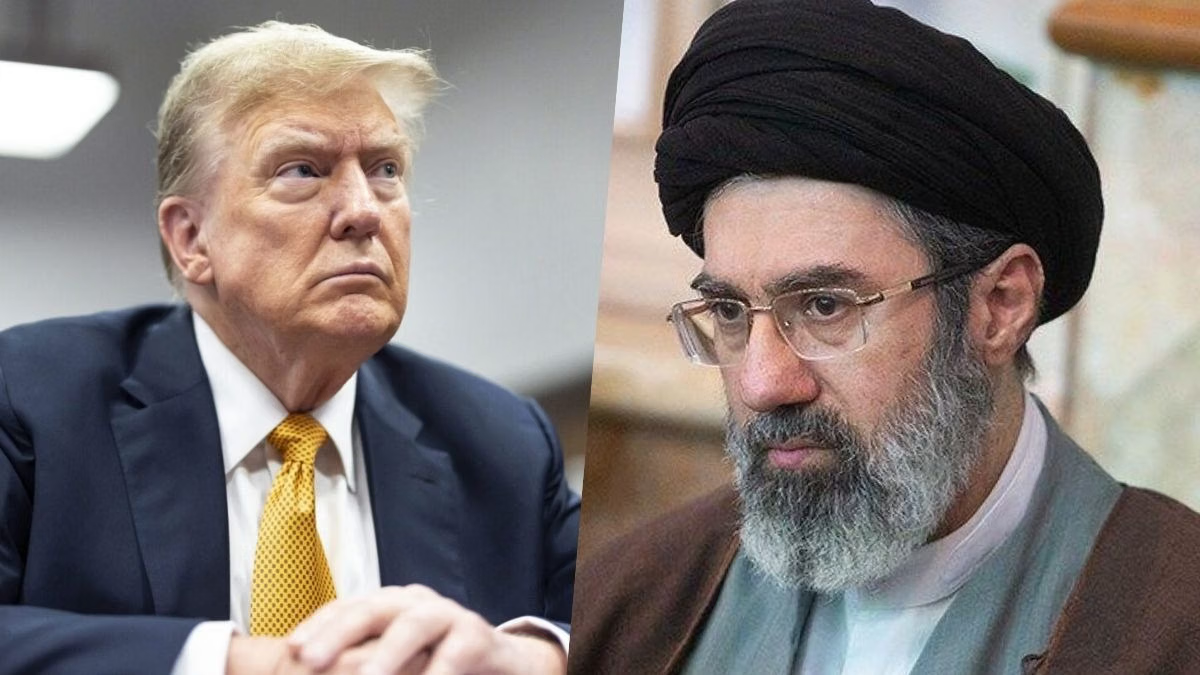
The renewed confrontation came shortly after President Donald Trump cautioned Tehran that Washington was ready to resume military operations in the case of Iran failing to abide by the agreement. “There may come a point when we are no longer able to be reasonable, and will be forced to militarily complete the job that we very successfully started……If that happens, the Islamic Republic of Iran will no longer exist!,” Trump wrote on social media.
The comments were made as both nations accused one another of violating the memorandum signed earlier this month.
Regional Tensions Add To Pressure
The regional tensions have further complicated attempts to maintain the deal in the Middle East. Israel carried out fresh strikes against Hezbollah positions in southern Lebanon over the weekend, despite a separate ceasefire framework between Israel and Lebanon.
Iran has stressed that the US-Iran understanding requires fighting to cease across all fronts, including in Lebanon. Iranian Foreign Minister Abbas Araqchi accused Israel of breaching the agreement and said that Washington was responsible for ensuring Israeli compliance.
He also cautioned against any move to challenge Tehran’s role in overseeing maritime traffic through the Strait of Hormuz, stating that such actions would heighten tensions and postpone the full reopening of one of the world’s busiest energy shipping lanes. Meanwhile, the military operations continued in Gaza, where the Palestinian administration reported further casualties.
Focus Turns To Outcome Of Doha Discussions
Meanwhile, the meeting in Doha is expected to concentrate initially on settling operational disagreements over commercial shipping through the Strait of Hormuz before negotiators return to broader matters such as Iran’s nuclear programme, sanctions relief and the longer-term implementation of the peace accord.
The result of the talks could determine whether the MoU withstands the first major crisis. However, at the moment, both Washington and Tehran appear to have pulled back from the brink, opting for diplomacy rather than another round of military retaliation.