World
Two-thirds of outbound tankers are ‘going dark’ to squeeze through the Strait of Hormuz: analysts

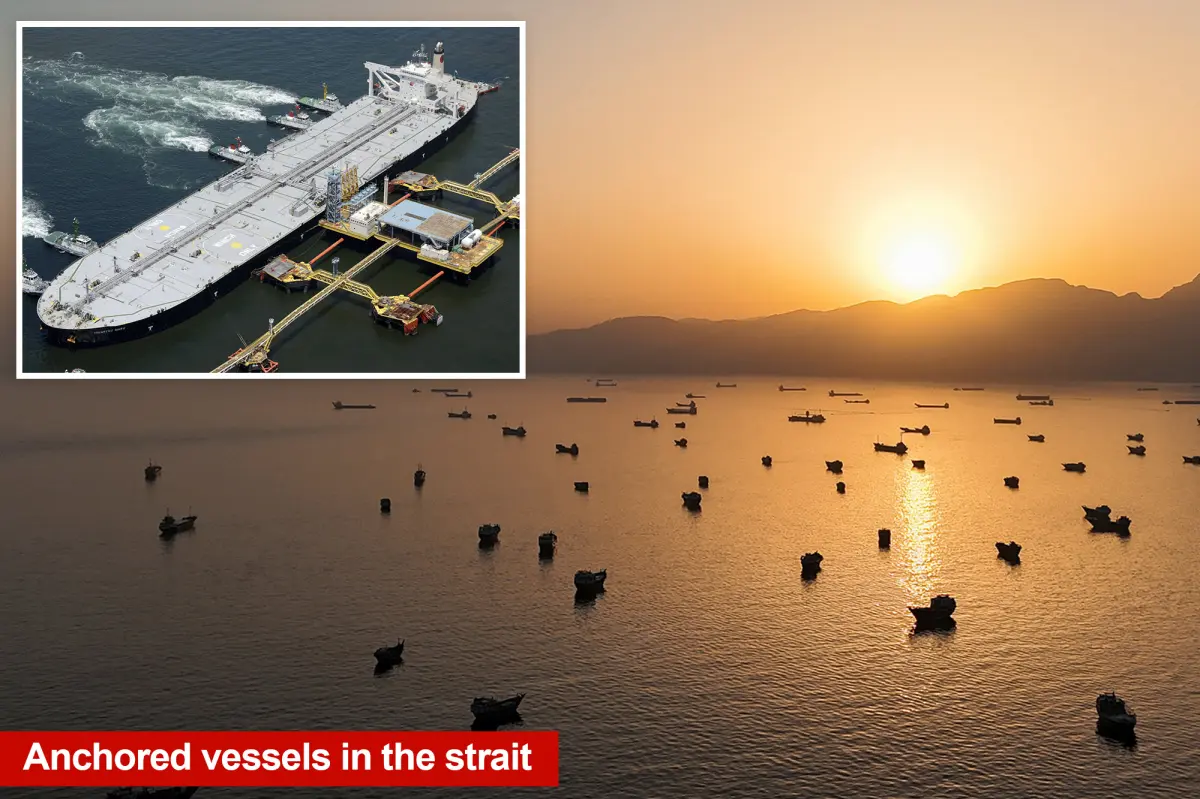
About two-thirds of outbound oil tankers used shadow fleet tactics to trickle through the Strait of Hormuz undetected in May, according to analysts.
While only a handful of ships are officially reported going through the Strait of Hormuz each day, dozens more are believed to be sneaking through, with 895 ships in total crossing the passage between March 1 and May 19, according to maritime data company Kpler.
While only 37% of the outbound tankers had been using shadow fleet tactics to “go dark” and avoid detection during the first month of the war, the number had shot up to 65% in May, according to shipping analytics firm Vortexa.
The ships are essentially switching off their Automatic Identification System (AIS) before and after transiting the strait, a technique used by Iran’s shadow fleet to transport sanctioned oil through the Strait of Hormuz.
“That shift suggests AIS-off behaviour is becoming an accepted operating protocol, not an exceptional measure,” Vortexa warned.
“Iran-linked vessels helped establish the template before and during the early phase of the crisis. Non-sanctioned Gulf tonnage is now increasingly using similar methods — and, in volume terms, beginning to dominate them,” the firm added.
Given the nature of “going dark,” it remains unclear exactly which routes the oil tankers are using to bypass trouble in the Strait of Hormuz.
Ships can either take Iran’s offer of paying tolls of up to $2 million to be instructed on safe passage through the strait, which is believed to be littered with mines and within reach of Tehran’s drones and fast-attack ships.
Vessels linked with Iran, China, India, Pakistan and Japan have made use of this to get their cargo ships out, with Iran claiming dozens of ships were transiting through strait under their supervision in recent days.
Ships coming out of Iranian ports, however, face the risk of interception from the American blockade along the Gulf of Oman, with US Central Command intercepting 133 ships as of Thursday.
Others have instead opted on taking routes closer to Oman’s coastline, with the US Navy likely supporting those ships as Central Command recently touted helping around 70 ships cross in the last three weeks.
Despite the apparent increase in ships trying to sneak through the Strait of Hormuz, the level of oil coming out of the Middle East remains low, with larger drops seen in recent weeks.
The average loss of oil within the first month of the conflict peaked at around 500,000 barrels per day, but starting in May, the depletion rate ramped up to 710,000 bpd, according to Reuters.
With Post Wires