World
Trump and his CEOs want China’s business – but has Asia moved on?

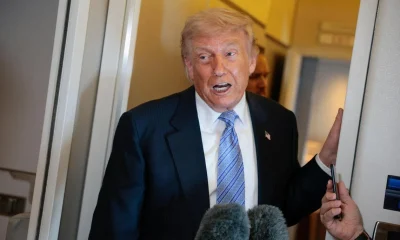
US President Donald Trump’s landmark visit to China comes as the US-Iran war disrupts global energy supplies, fuels economic uncertainty and adds fresh strain to Washington-Beijing ties. In the latest instalment of a series examining how rivalry, interdependence and geopolitical crises are reshaping the relationship between the two powers, we explore the massive upswing in capital expenditures across Asia that is driving a broad shift in economic power.
But while the 17 executives joined Trump in search of further opportunity in Asia’s largest market, any capital they would contribute for a deal would end up recirculating around China and the continent at large, inadvertently providing more fuel for a massive reorientation of economic activity already in progress.
From advanced computer hardware to renewable energy, companies around East Asia are reacting to fallout from US-involved trade disputes, conflict in the Middle East and a world AI race by raising capital expenditures in a range of relevant industries to the highest levels in 20 years – and more on the way.
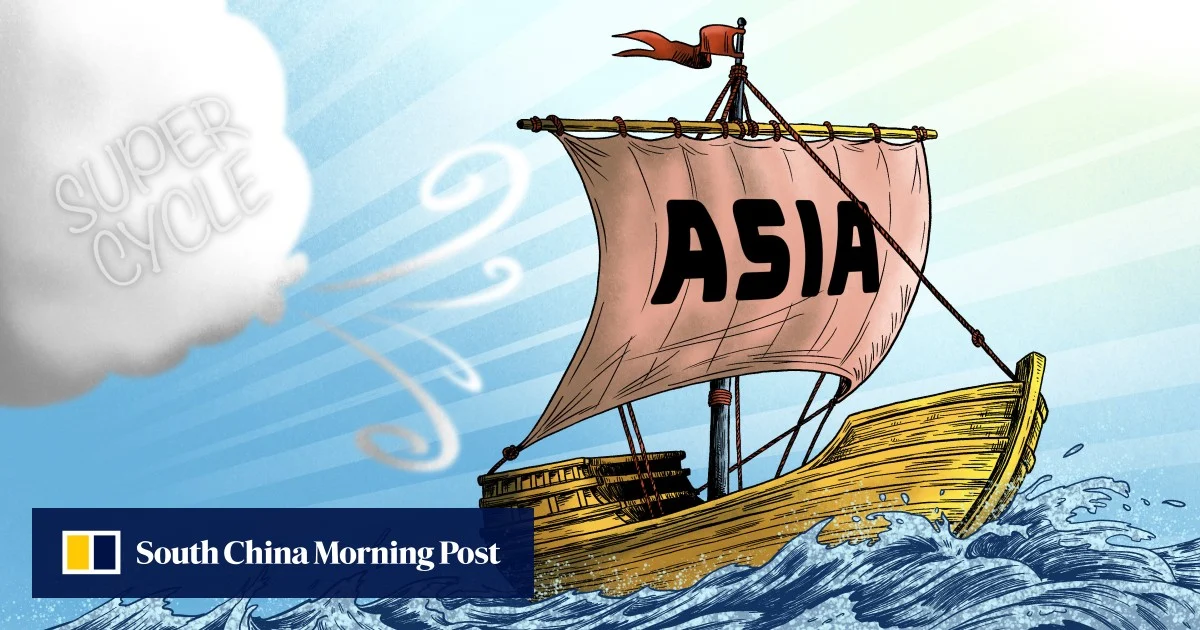
Morgan Stanley last month declared a coming “super cycle” in capital expenditures around Asia – one not seen since the region’s industrialisation spurt from 2003 to 2007.
In an April 27 research note, the New York-based financial services firm documented a “structural rise” in spending on defence, AI and AI-related infrastructure and energy including energy transitions. It said the rise was creating jobs and letting wages increase, in turn sustaining the cycle.
Xu Tianchen, a senior economist at the Economist Intelligence Unit, said China’s deeply integrated industrial supply chain positioned it particularly well for a new industrial supercycle, with the country capable of producing everything from transformers and solar panels to semiconductors.