World
Traffic through Strait of Hormuz halves in a week strikes in blow to global economy

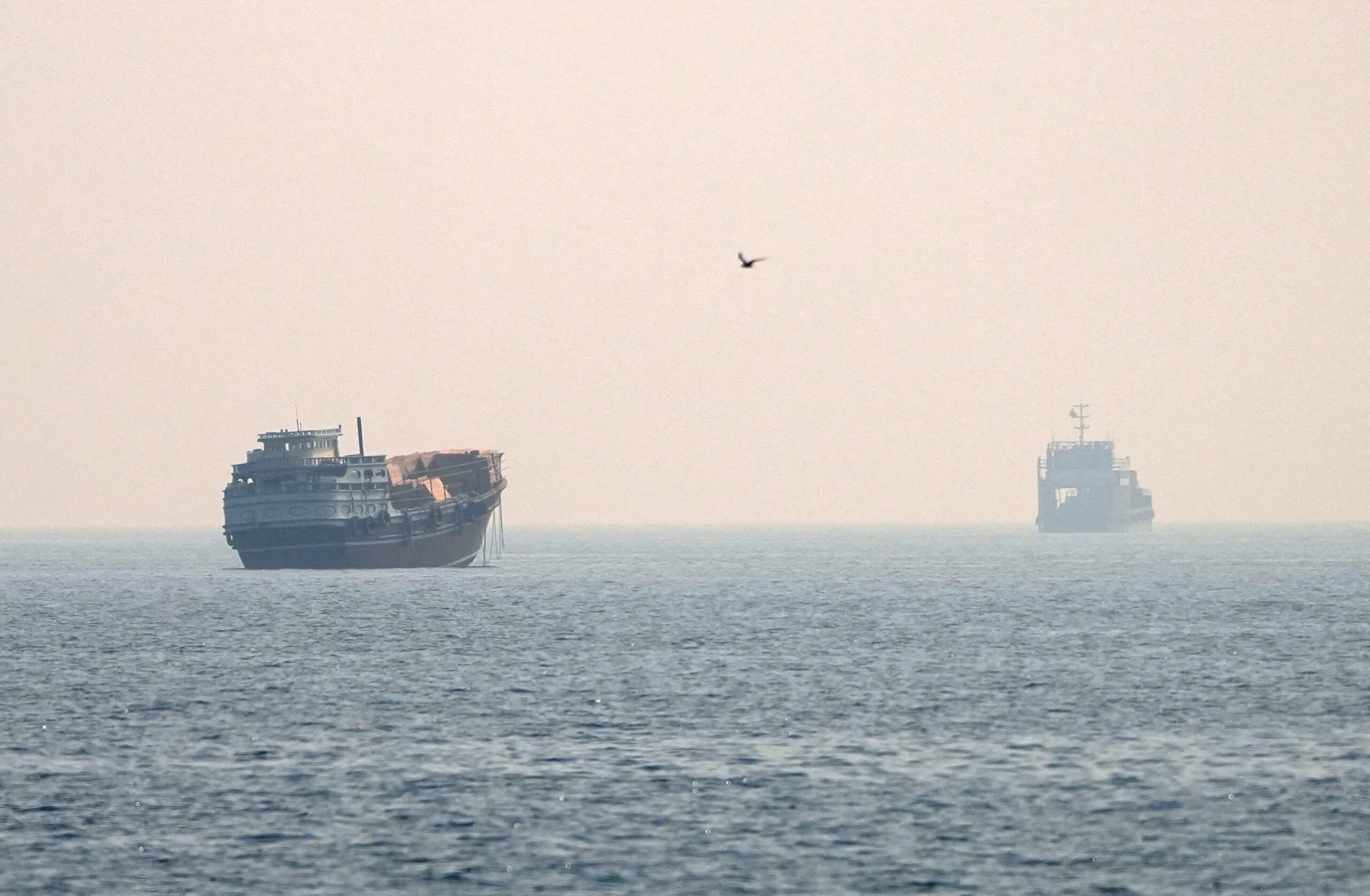
Traffic through the Strait of Hormuz has more than halved after tit-for-tat strikes between the US and Iran this week, data shows.
According to maritime intelligence firm Kpler, only 23 cargo ships and tankers crossed the vital shipping route on Wednesday, in comparison to 47 from the week before.
In comparison, an average of 138 ships passed through the waterway each day prior to the conflict, according to the Joint Maritime Information Centre.
According to Kpler, 917 vessels have passed through the strait since an interim agreement was confirmed on 17 June and the 8 July.
Follow the latest developments here.
With two main corridors in the Strait, one on the Omani side and two on the Iranian side, the agency says 290 have passed through the Iranian route, and 301 through the Omani route.
The agency estimates that 326 have passed undetected with their locators off.
It comes after Iran launched attacks on three commercial vessels that were crossing the shipping corridor close to Oman when they were hit earlier this week.
The US launched a wave of attacks on Tehran in response, sparking retaliatory action by Iran on US military bases across the Gulf.
The attacks have led to a standstill in traffic as a result, raising fresh concerns for the impact on the global economy and oil supply.
A memorandum of understanding agreed between the US and Iran said that Tehran would ensure “its best efforts for the safe passage of commercial vessels with no charge for 60 days”.
It added that Iran would “conduct dialogue with the Sultanate of Oman to define the future administration and maritime services in the Strait of Hormuz”.
The Islamic Revolutionary Guard Corps released a statement on Thursday saying that “foreign powers have no claim to this land or to the Strait of Hormuz” after the passage threatened its leverage.
Nato chief mark Rutte has thrown his support behind President Donald Trump and his administration for their decision to restart US strikes on the country.
“When you have a ceasefire and Iran is basically violating the ceasefire, I think it is totally crucial that the US forcefully react,” Rutte told reporters at the Nato summit in Ankara this week.
President Emmanuel Macron also backed the to hit Iran again, saying that he believed Iranian strikes on US bases in the Gulf violated the interim accord and that Iran had been mistaken to carry them out, according to Reuters.
But the French leader said he understood that meetings as part of a 60-day ceasefire between the two sides would continue.
US Central Command defended the strikes, saying that Iran’s “demonstrated aggression was unwarranted, dangerous and a clear violation of the ceasefire”, referring to the three tankers, including a Qatari vessel, that were hit in the strait.