World
The latest Indonesia-Qatar defence agreement needs deliverables, not diplomacy

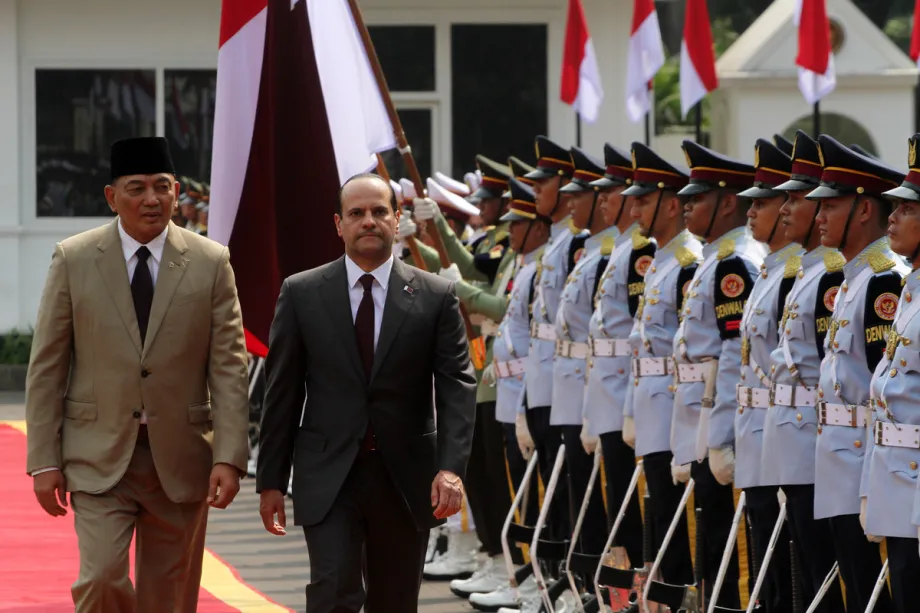
Indonesia and Qatar this week signed a Statement of Intent on defense cooperation, paving the way for a formal Defense Cooperation Agreement covering military training, personnel exchanges, joint exercises, cybersecurity, and defense industrial collaboration.
The agreement reflects a broader trend. Since President Prabowo Subianto took office, Indonesia has expanded engagement with Gulf countries through strategic dialogues, investment partnerships, and now defense cooperation.
The problem is not the agreement itself.
The problem is that Indonesia has signed many similar agreements before.
This challenge is particularly important today.
The agreement comes as the Middle East faces one of its most volatile periods in years. The conflict involving Iran has exposed the vulnerability of regional security arrangements, disrupted trade routes, and heightened uncertainty across the Gulf. Governments throughout the region are reassessing their strategic assumptions and searching for new forms of resilience.
For Indonesia, however, the value of the partnership will depend entirely on execution.
The first priority should be defense human capital.
READ: Indonesia to deploy over 700 peacekeepers in southern Lebanon amid attacks, killings by Israel
The agreement places significant emphasis on education, training, and personnel exchanges. This is the most realistic area for immediate progress. Rather than focusing on occasional visits by senior officers, both governments should establish long-term exchange programs involving military academies, staff colleges, cyber specialists, and defense planners. Success should be measured by the number of officers trained, joint curricula developed, and institutional partnerships created.
The second priority should be cybersecurity.
Unlike conventional defense cooperation, cybersecurity addresses challenges faced by both countries regardless of geography. Indonesia confronts growing cyber threats targeting government institutions and critical infrastructure. Qatar faces similar concerns, particularly as digital systems become increasingly important to national security and economic resilience.
A practical starting point would be joint cyber exercises, information-sharing mechanisms, and cooperation between cybersecurity agencies. These initiatives are less politically sensitive than weapons procurement and can generate tangible outcomes relatively quickly.
The third priority should be narrowing the focus of defense industrial cooperation.