Society
SERAP rejects ₦100m verdict, moves to appeal DSS judgment

By Kazeem Ugbodaga
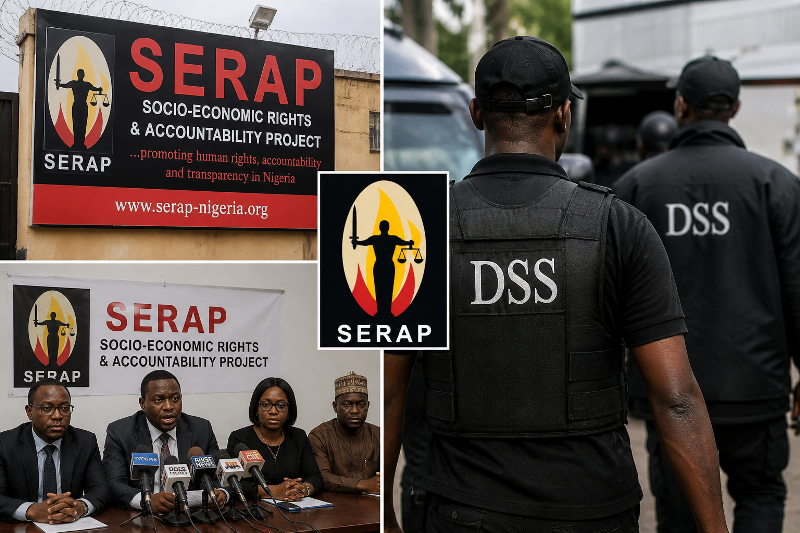
The Socio-Economic Rights and Accountability Project (SERAP) has rejected a Federal Capital Territory High Court judgment ordering it to pay ₦100 million in damages to two officials of the Department of State Services (DSS), describing the ruling as “seriously flawed” and vowing to challenge it on appeal.
Justice Yusuf Halilu of the FCT High Court on Tuesday awarded ₦100 million in general damages against SERAP in a defamation suit instituted by the DSS operatives.
The court also directed the organisation to issue public apologies across multiple platforms, pay ₦1 million in litigation costs, and a 10 per cent annual post-judgment interest on the damages until the sum is fully liquidated.
The case stemmed from a September 9, 2024 statement by SERAP alleging that DSS operatives unlawfully entered its Abuja office to intimidate staff following the organisation’s call on President Bola Ahmed Tinubu to investigate corruption allegations involving the Nigerian National Petroleum Company Limited and reverse fuel price increases.
Reacting to the ruling, SERAP said it had instructed its lawyers, including senior advocates Tayo Oyetibo and Ebun-Olu Adegboruwa, to immediately file an appeal, insisting the judgment undermines constitutional protections and civic freedoms.
“This judgment is totally unacceptable to us. It is a travesty and a serious blow to civic space in Nigeria,” the organisation said in a statement, adding that it reflects “a troubling pattern of using defamation laws to punish legitimate criticism and suppress accountability.”
SERAP further described the suit as “a textbook example of judicial harassment and a strategic lawsuit against public participation (SLAPP), designed to intimidate civil society and deter legitimate human rights advocacy.”
The group accused the government of deploying state institutions to stifle dissent, stating: “Rather than deploying state institutions to intimidate critics, the government should be protecting those working to expose corruption.”
It maintained that the court’s decision “fails to reflect the evidence presented” and warned that the ruling could have a chilling effect on freedom of expression and anti-corruption efforts.
“This judgment sends a dangerous message and creates a chilling effect on freedom of expression, civic participation, and anti-corruption work,” SERAP said, stressing that defamation laws must not be “weaponised to silence dissent.”
While the DSS officials had argued that SERAP’s allegations damaged their professional reputations, leading to disciplinary scrutiny before their eventual exoneration, the NGO insists its actions were in the public interest and consistent with its mandate to promote transparency and accountability.