World
On eve of direct Jerusalem-Beirut talks, Netanyahu vows to maintain presence in Lebanon

Hours before the latest round of direct talks between Jerusalem and Beirut were slated to kick off in Washington, Israeli leaders vowed to maintain an ongoing presence in southern Lebanon, while the slated negotiations appeared to be somewhat sidelined by developments in US-Iran talks.
Lebanese authorities, meanwhile, sought to separate their negotiations with Israel from the wider regional talks led by the United States, as Beirut continues to try to minimize the influence of the Iran-backed terror group Hezbollah in Lebanon.
In a joint statement released by the Prime Minister’s Office late Monday evening, Prime Minister Benjamin Netanyahu, Defense Minister Israel Katz and IDF Chief of Staff Lt. Gen. Eyal Zamir said that “the IDF will continue to act decisively to thwart threats to our soldiers and civilians, destroy terror infrastructure, and continue maintaining the security zone in southern Lebanon.”
Israeli troops have maintained a presence in a self-described “security zone” in southern Lebanon along the entire border with Israel since at least April, stretching up to 10 kilometers (6 miles) into Lebanese territory, in some areas crossing the Litani River and reaching the outskirts of Nabatieh.
“The prime minister, the defense minister and the chief of staff clarified that the security of Israel’s civilians and IDF troops will continue to remain before their eyes without compromise,” the joint statement added.
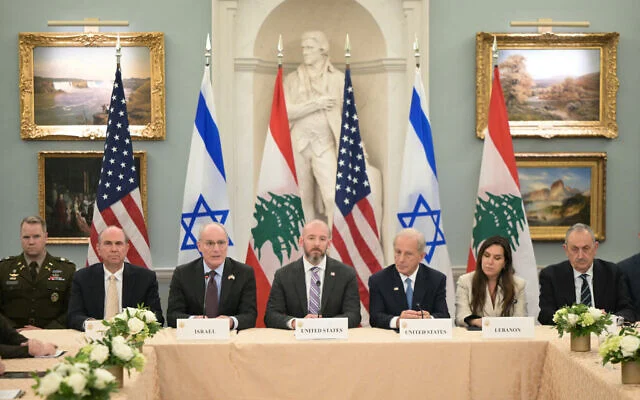
A fifth round of direct Israel-Lebanon talks is slated to be held from Tuesday to Thursday at the State Department and the Pentagon. At the same time, US officials announced two separate mechanisms on Monday to reduce conflict between Jerusalem and Beirut, while the fighting in Lebanon remains a key flashpoint in wider US-Iran negotiations.
A US official said late Monday that this week’s talks in Washington will begin with a joint political and military session, followed by one military session and another political session.
Israel and Lebanon will be represented by their respective ambassadors in Washington, while State Department Counselor Dan Holler and Assistant Secretary of Defense for International Security Affairs Dan Zimmerman will represent the US.
The goal of talks will be “to end the cycle of violence for good,” and “advance a comprehensive peace and security agreement between the two countries,” a US State Department official told AFP on Monday.
“We are enabling Israel and Lebanon to negotiate as two sovereign states and to find a way to have peace and security,” the official said.
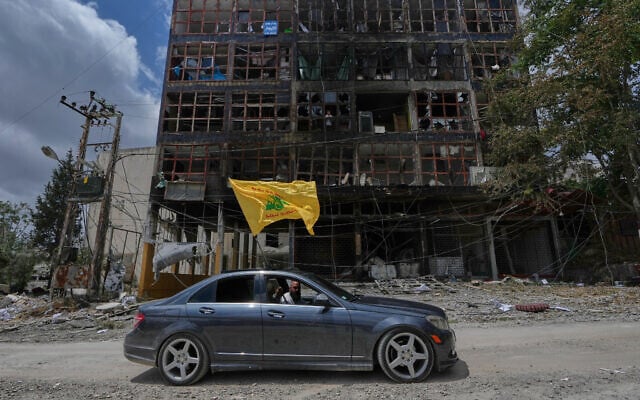
The Trump administration is trying to maintain the legitimacy of the direct channel it created between Israel and Lebanon after seemingly undermining the initiative by using US talks with Iran in order to secure a ceasefire in Lebanon.
The apparent disconnect may have to do with the fact that the talks with Iran are led by US Vice President JD Vance, while US Secretary of State Marco Rubio has spearheaded the talks between Israel and Lebanon, while largely staying out of the Iran talks.
US President Donald Trump has oscillated between the two tracks, sometimes giving attention to the Israel-Lebanon channel as he tries to detach Lebanon from the Iran conflict, while other times legitimizing Iranian demands that its deal with Washington include Lebanon.
As of late, the administration appears to be prioritizing the latter track as it works to sustain the MOU it reached with Iran last week, but Trump is known to shift drastically on these matters.
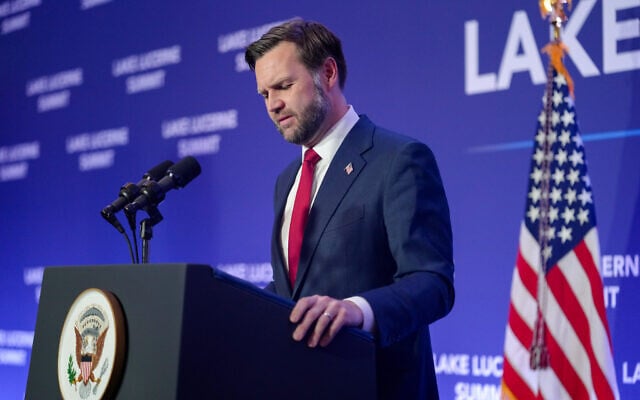
Vance and Lebanese President Joseph Aoun discussed a de-confliction mechanism for Lebanon on Monday, Aoun’s office said. Aoun received a call from Vance, US senior adviser Jared Kushner and Qatari Prime Minister Sheikh Mohammed bin Abdulrahman Al Thani, a statement from the Lebanese presidency said.
They discussed “the issue of consolidating the ceasefire in Lebanon, stopping the Israeli military escalation and steps that should be taken in this regard, including the possibility of forming a cell for this purpose,” the statement added.
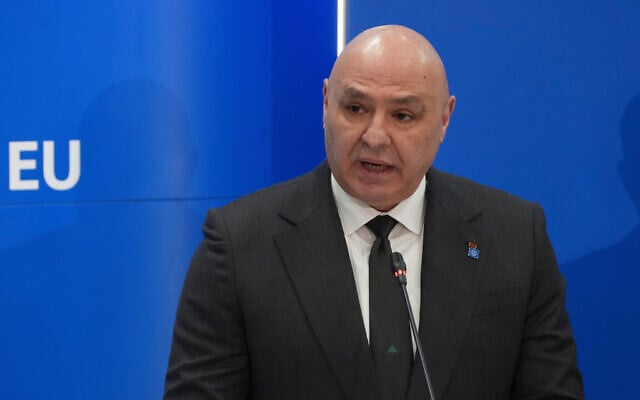
Aoun said later Monday that Lebanon will “negotiate for ourselves, and we do not accept any other party doing so for us.”
“We welcome any assistance that comes from any country to end the war, particularly as the situation in the region is interconnected,” the Lebanese president added. “But there is a big difference between trying to help us and interfering in our internal affairs,” he said, alluding to Iran.
A US official told reporters on Monday that the US Central Command has started a “monitoring mechanism” of fighting in Lebanon so that policymakers have real-time and accurate information regarding the conflict between Israel and Hezbollah.
A source familiar with the matter says that this monitoring mechanism is separate from the deconfliction mechanism for Lebanon that Vance announced earlier Monday. The latter mechanism is one that uses Qatar for the US to pass along complaints to Iran regarding alleged Hezbollah ceasefire violations in Lebanon, as opposed to the previous system that was more ad hoc, the source said.
The unveiling of the monitoring mechanism came after Rubio held phone calls with the leaders of Israel and Lebanon over the weekend, the US official added.
Israeli and Lebanese officials will build on the mechanism during the talks in Washington, the official said.
Since Washington and Tehran signed a memorandum of understanding last week, kickstarting negotiations toward a final deal, Iran has been insisting that Israel halt its military operation in Lebanon as a precondition for talks.
Times of Israel staff contributed to this report.