Viral
Obidient Movement Facing Internal Crisis As Members Begin To Leave – Bwala

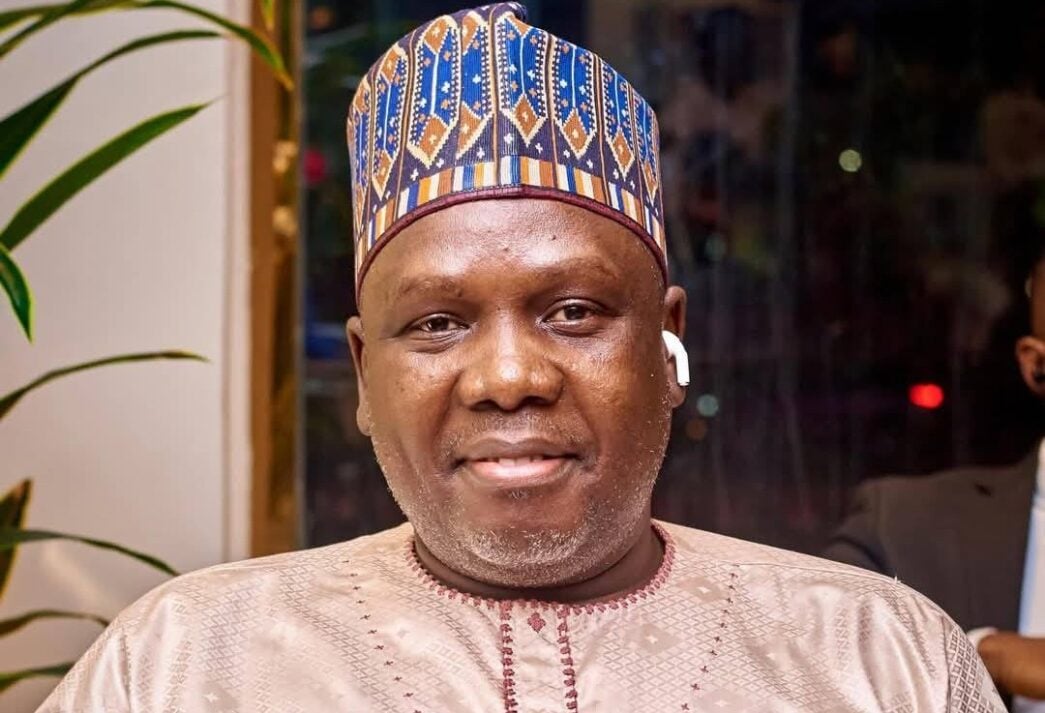
The Special Adviser to President Bola Tinubu on Policy Communication, Daniel Bwala, has claimed that the Obidient Movement is experiencing an internal crisis, alleging that some members have begun abandoning the group.
Bwala made the assertion in a post shared on his official X account on Friday, where he described what he called a “silent political civil war” within the movement that supported Labour Party presidential candidate Peter Obi during the 2023 general election.
According to the presidential aide, some supporters have come to realise that the Obidient Movement is no longer driven by political ideals but has become a platform for hostility and divisive rhetoric.
“There is a silent political civil war going on in the Obidient camp. The realisation that it is not a political movement but a hate, vitriol and unpatriotic movement,” Bwala wrote.
He further alleged that members of the movement regularly portray Nigeria, its citizens and its leaders in a negative light despite aspiring to govern the country.
“They hate the country they want to govern. You only need to hear them discrediting Nigeria, Nigerians and Nigerian leaders,” he added.
Bwala also claimed that many supporters were beginning to reconsider their involvement with the movement.
“Their members are beginning to see through the lenses. They are abandoning the so-called movement. Gbajue, Gbajue, Gbajue,” he stated.
The presidential aide did not provide evidence to support his claims, and there was no immediate response from Peter Obi or representatives of the Obidient Movement at the time of filing this report.
Bwala Blames Governors For Rising Kidnapping Cases
In a separate development, Bwala argued that state governors should be held accountable for the growing wave of kidnappings across Nigeria.
Speaking during an appearance on the Morayo Show, the presidential aide said governors have a constitutional and moral responsibility to ensure security within their states, particularly at the grassroots level.
According to him, most kidnappings occur within local government areas, making it difficult for governors to distance themselves from the security challenges.
Bwala maintained that every kidnapping recorded in a state should prompt questions about the effectiveness of the state government’s security measures and oversight of local governance.
He also linked the rising insecurity to what he described as failures in grassroots administration, including the management of funds meant for community development and local security.
The presidential aide stressed that improving security requires greater accountability from state governments, insisting that governors must play a more active role in addressing the challenges confronting their communities.
His comments come amid ongoing concerns over the increasing incidents of kidnapping and other violent crimes across several parts of the country, with security remaining one of the major issues dominating national discourse.