Breaking
Nigerian students groan over high internet costs

By Faith Eluu
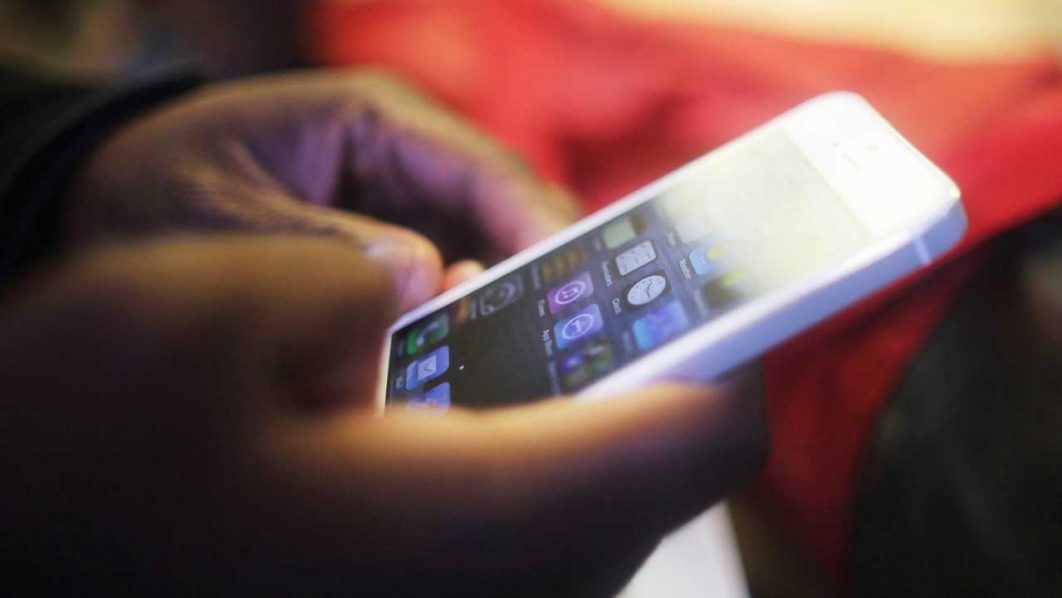
Rising cost of mobile data in Nigeria is becoming a source of concern for many students who depend on digital connectivity for education, work, communication and everyday activities.
This situation persists despite the government’s free daily 100mb data initiative for select secondary schools and tertiary institutions across the country.
As academic activities and professional responsibilities are becoming increasingly dependent on the internet, access to affordable data is also becoming a major challenge.
From spending thousands of naira on weekly subscriptions to relying on friends’ hotspots and campus Wi-Fi facilities, students are adopting different strategies to remain connected despite financial pressure.
For Onyia Kenechukwu, a corps member in Anambra State, the cost of mobile data has become increasingly frustrating. He described the situation as one in which subscribers spend more money but receive less data.
“Data is too expensive now. You pay more and get less data than before, and it doesn’t even last long,” he said, while expressing concern that the cost of data was becoming difficult for average students to afford.
“Spending ₦10,000 or more on data monthly is too much on a student and even for average Nigerians,” he added.
Explaining how he copes when his data is exhausted before his next planned recharge, Kenechukwu said he switches to his second SIM card, activates data saver and restricts his internet usage mainly to WhatsApp until he can afford another bundle subscription.
He called on telecommunications companies to reduce data prices and reconsider night-only data offers while the government is expected to reduce taxes affecting telecommunications companies and provide affordable, reliable public Wi-Fi services.
For Oremiposi Adeshina, a 22-year-old final-year Law student at Olabisi Onabanjo University in Ogun State, the cost of data remains a serious concern for students who are not financially comfortable.
He explained that although he uses a particular service provider because of its comparative network coverage and reliability, he also makes use of alternative means that seem to be cheaper.
According to Adeshina, when his data is exhausted before he can afford another subscription, he sometimes uses a friend’s hotspot or postpones online activities.
He called for more affordable data packages, particularly student-specific bundles and social media plans that will allow undergraduates to access learning platforms without exhausting their data.
“Telecom companies should create data plans that favour students. It’s not everyone that can afford ₦5,000 for 10GB that will be exhausted in one week. If data remains this expensive, many students will continue to lag behind academically,” he said.
For some students, however, the experience is different especially for those who have access to alternative internet connections.
Divine Dike, a final-year Psychology student at the University of Lagos, acknowledged that expensive data subscriptions could be a major burden for students from financially disadvantaged backgrounds.
“As a student, the cost of data can be a pain in the neck for students who are not well-off. But to me, it is not a problem,” he said.
Dike explained that he purchases a weekly data bundle and also benefits from the Wi-Fi connection available at home when he returns from school.
“It has never stopped me from doing any assignments, but I know someone who has experienced that,” he added.
His experience highlights the differences in how students cope with internet expenses. While access to home Wi-Fi and the ability to purchase data bundles may make connectivity easier for some, students without such financial support still struggle to complete online academic tasks.