Trends
“My Mum Almost Got Beaten for Missing Environmental Sanitation” — Nigerians Remember Life Under Military Rule

For millions of Nigerians, military rule isn’t something they learned about in a history book. It’s something they lived through.
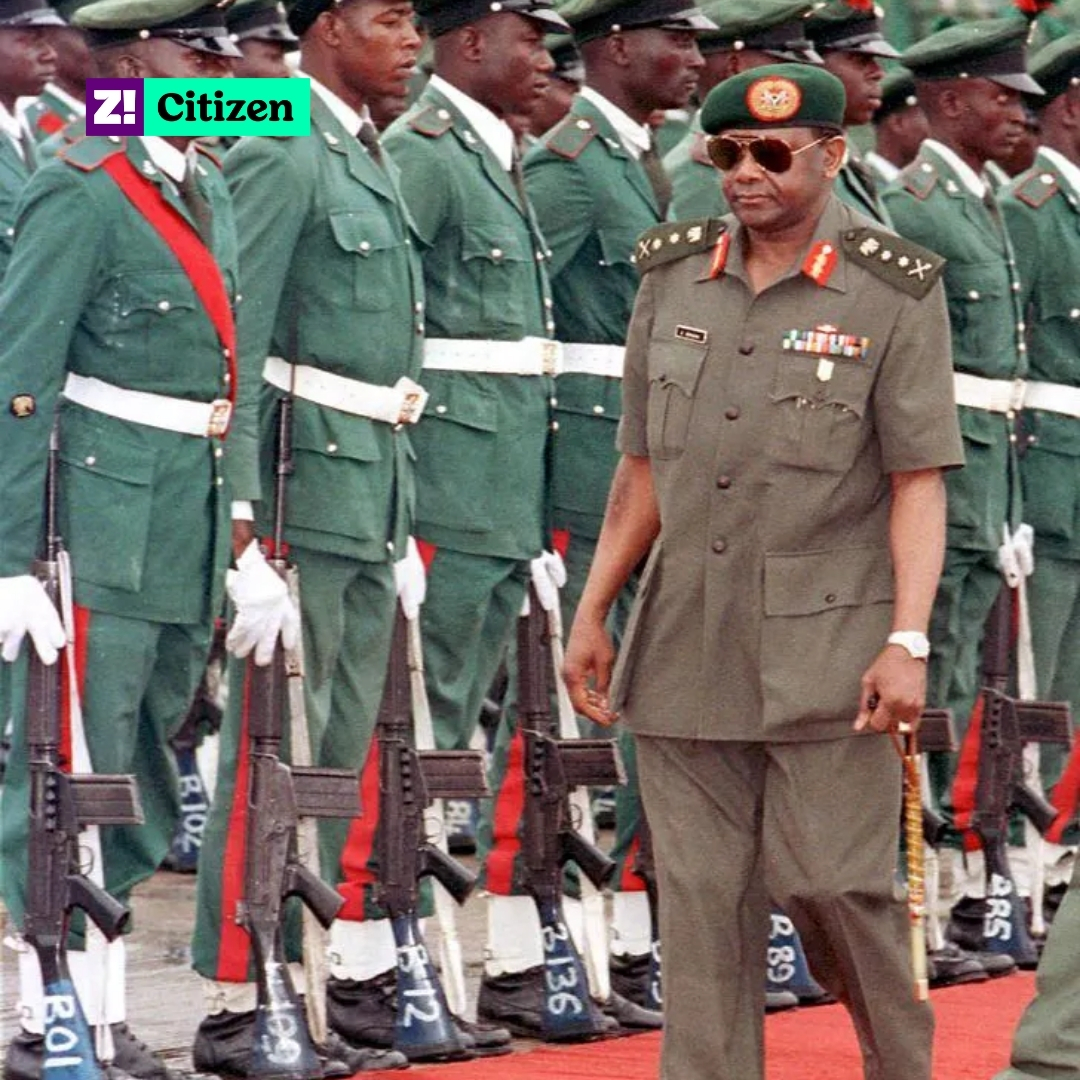
From public punishments and midnight raids to political fear, executions, and soldiers enforcing order on the streets, life under military rule shaped an entire generation of Nigerians. These Nigerians share the memories they still carry decades later.
One of my earliest memories of military rule is watching my mum almost get beaten because she hadn’t participated in environmental sanitation.
I can still remember how she begged. As a child, I didn’t fully understand what was happening. I just knew I was terrified. I kept calling my dad, hoping he would come and stop whatever was about to happen.
People often talk about how disciplined Nigerians were during military rule, but they don’t always discuss the fear that underpinned that discipline.
Seeing your mum beg to avoid being beaten is not something any child should experience. More than anything else, that’s what I remember from those years.
One of my earliest memories is being woken up in the middle of the night by armed policemen. I was about six years old.
They broke into our house and started throwing our things outside. I remember watching them empty our home onto the street while everyone around me panicked.
At that age, I didn’t understand what was happening. I just knew that my parents, the people who always seemed to have everything under control, were afraid.
As I got older, I began to connect the dots. My father was a journalist at the time.
I never got the chance to ask my parents exactly what happened that night because they died in a car crash about four years later. But that memory has stayed with me all my life. Whenever I think about military rule, that’s the first thing that comes to mind.
The military years were terrible. I was in my first year at university, and on my way home, I would sometimes hear about or witness the aftermath of people being assassinated in broad daylight. There was tension everywhere. The country felt unstable, as though anything could happen at any moment. Riots and protests were common, and there was a constant feeling that things could spiral out of control.
Looking back now, I have mixed feelings. Military rule was frightening, but the scale of insecurity Nigeria has experienced in recent years through insurgency and kidnappings is something I don’t think many of us imagined back then.
The fear felt different. During military rule, many people feared the government. Today, Nigerians often fear danger from many directions.
I was only 13 or 14, but I still remember watching reports about arrests and executions on television.
One day, I saw men hanging from the Third Mainland Bridge after they were accused of plotting against the government.
As a child, I didn’t understand politics. I didn’t know who they were or what they were supposed to have done. I just remember being scared. Looking back, I don’t even know why my parents let me watch it.
The whole country felt tense. Even as a child, you could sense it. It felt as if everyone was waiting for something bad to happen.
Click here to see what people are saying about this post on Instagram
People like to say Nigerians were more disciplined during military rule, and there is some truth to that.
If there was a queue, you joined it. If you tried to jump the line or cause trouble, you could get flogged in public. Soldiers were everywhere, and no one wanted to draw their attention. But what many people overlook is that the order came out of fear.
Today, people insult presidents, governors, and politicians online. Back then, you couldn’t do that. You watched what you said and who you said it to.
There may have been more order, but there was far less freedom.
One of my strongest memories is of the military governors in Abia State.
There was one in particular, Governor Ike Nwosu, who had a reputation for showing up at school gates without warning to make sure children were actually attending classes.
If he found children roaming around during school hours, their parents could be punished or flogged for failing to send them to school. It sounds unbelievable now, but that was the atmosphere at the time.
Everyone was afraid of getting on the wrong side of authority. The fear wasn’t limited to adults. Children felt it too.
If you’re under 30, you probably don’t understand why some older Nigerians react so strongly whenever military rule is mentioned.
One of the moments that stayed with me was the execution of Ken Saro-Wiwa and the other Ogoni activists.
I remember how shocked everyone was. After it happened, my parents banned us from discussing anything political outside the house.
My father would even lower the television volume whenever the news came on. At the time, I didn’t understand why. I thought he was simply being cautious.
Now I understand that people were afraid. They didn’t know who was listening or what repeating the wrong thing could lead to.
That kind of fear changes how people live.
Young Nigerians complain about the government today, but at least they can complain openly.
Young Nigerians complain about the government today, but at least they can complain openly.
During military rule, people became careful about what they said and whom they said it to. You didn’t know who might report you. You didn’t know who was listening.
The moment I realised things were different was when Ken Saro-Wiwa was executed.
Most of us thought the government would lock him up forever. We thought they would silence him somehow. We never imagined they would actually kill him.
I remember the shock when the news spread. It felt as though the whole country stopped for a moment.
That was when many people realised that nobody was untouchable.
The Naira Life Conference is returning on August 22, 2026, in Lagos! Come learn from finance experts and industry leaders, and partake in unfiltered conversations about building wealth and diversifying your income stream in a country like Nigeria. Real stories, expert advice you can actually use, and a community ready to build wealth together. Secure your spot here.