World
Mamdani-backed primary sweep further cements anti-Zionist politics in NYC

NEW YORK — At victory parties for the far-left Democratic Socialists of America in New York City on Tuesday night, crowds chanted “Free Palestine,” railed against the pro-Israel lobby and took aim at the House’s Democratic Party leadership.
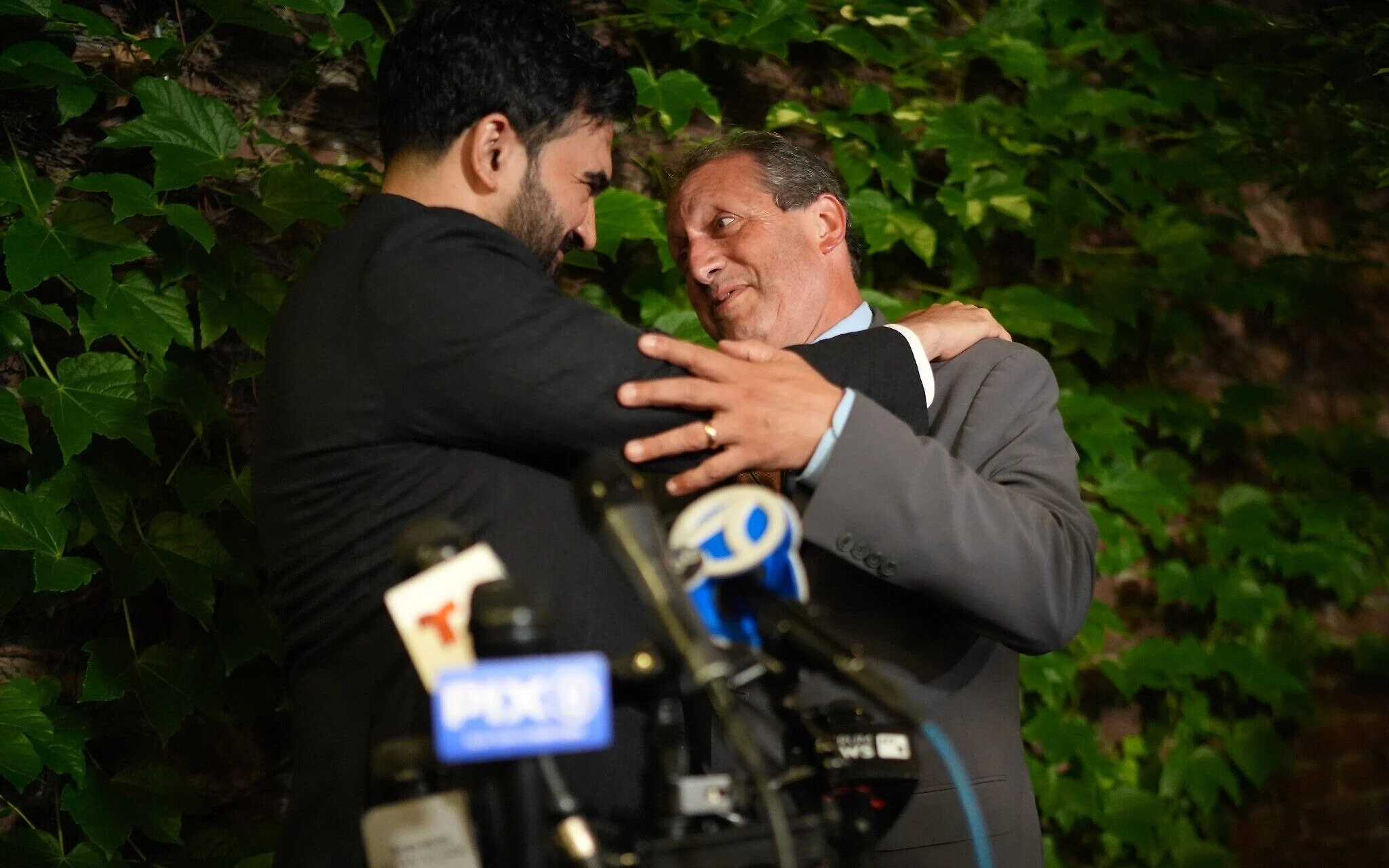
“A year ago, it was not the end of a political movement — it was the beginning,” New York City Mayor Zohran Mamdani told a crowd, referring to his upset victory in last year’s mayoral race.
Mamdani’s election win last year was a shock to the Democratic Party and mainstream Jews, and Tuesday’s results — a sweep for three Mamdani-backed candidates — showed that his victory was not a one-off.
The primary wins cemented the mayor as a kingmaker, furthered the role of anti-Zionist politics in the city that is home to the world’s largest Diaspora Jewish population, and sent a message to Democratic leaders as the party turns increasingly against the Jewish state.
The two Democratic Socialists of America (DSA) candidates, Claire Valdez and Darializa Chevalier, won elections against more established candidates. Brad Lander, a Mamdani ally who is not a DSA member, toppled a centrist incumbent, as did Chevalier.
In all three races, Israel was a central issue, and the more hardline Israel critics won. The candidates all won primaries in Democratic House districts, meaning they are nearly certain to win the general election in November and enter Congress.
Chevalier’s opponent, Adrianno Espaillat, and Lander’s rival, Dan Goldman, should have been solid candidates for Democrats. Goldman made his name prosecuting US President Donald Trump. Espaillat was the head of the Hispanic Caucus and a longtime friend of unions. Neither had been involved in any scandals.
But they were seen as too close to Israel, particularly the pro-Israel lobby, and not supportive enough of Mamdani.
Chevalier and Lander hammered their opponents for their past connections to AIPAC. The pro-Israel lobby became an issue in Valdez’s race, even though neither candidate had any connection to AIPAC, when Valdez falsely suggested that her opponent, Antonio Reynoso, had received funding from the group.
Lander, who is Jewish, acknowledged that the animus toward AIPAC played into antisemitic tropes, saying the attack line made him “queasy,” but that he had to do it anyway.
Charging “genocide” in Gaza by Israel, which some Jews increasingly see as a libel, appeared to be a litmus test. Lander, who identifies as a “liberal Zionist,” accused the Jewish state of genocide — the crime of crimes — while Goldman and Espaillat did not, despite voicing harsh criticism toward the Netanyahu government and the war in Gaza. Both Valdez and Reynoso accused Israel of genocide.
Espaillat said in a debate that the charge was an issue to be decided by “international entities.” He was correct — genocide is a crime with a legal definition, and international courts have not issued any decisions. But it didn’t seem to matter.
“We need to stop sending our tax dollars to a state that is currently enacting a genocide, a word that my opponent has yet to say,” Chevalier said, as Espaillat struggled to respond.
Chevalier will likely be one of the most radical leftists in Congress, including when it comes to Israel. She attended a rally that celebrated the October 7, 2023, onslaught in Israel, a day after the massive terror attack, and her social media history showed extremist statements targeting the US, Israel and the Democratic Party leadership. A progressive group said that during a meeting, she “point-blank refused” to condemn Hamas or its invasion of Israel, and had instead turned “the question into yet another attack on Israel.”
When Espaillat said Chevalier did not believe in Israel’s existence and condemned her participation in the rally, she accused him of “dehumanizing Palestinian life.”
Chevalier defined Zionism as “an ideology that is looking to create a political system where one group of people has more standing before the law than another group of people,” while Mamdani has called Zionism “a modern political movement seeking for the eradication of native people.”
Israel was far from the only issue at play in the campaigns. The candidates also sparred over topics like immigration enforcement, affordability and housing. But Israel was a significant theme in each race.
It was unclear whether the anti-Israel positions were a motivating factor for the average voter or if they just weren’t bothered by the hostility of the winning candidates. Polls of previous elections have shown that Americans say Israel is a low priority in the ballot box.
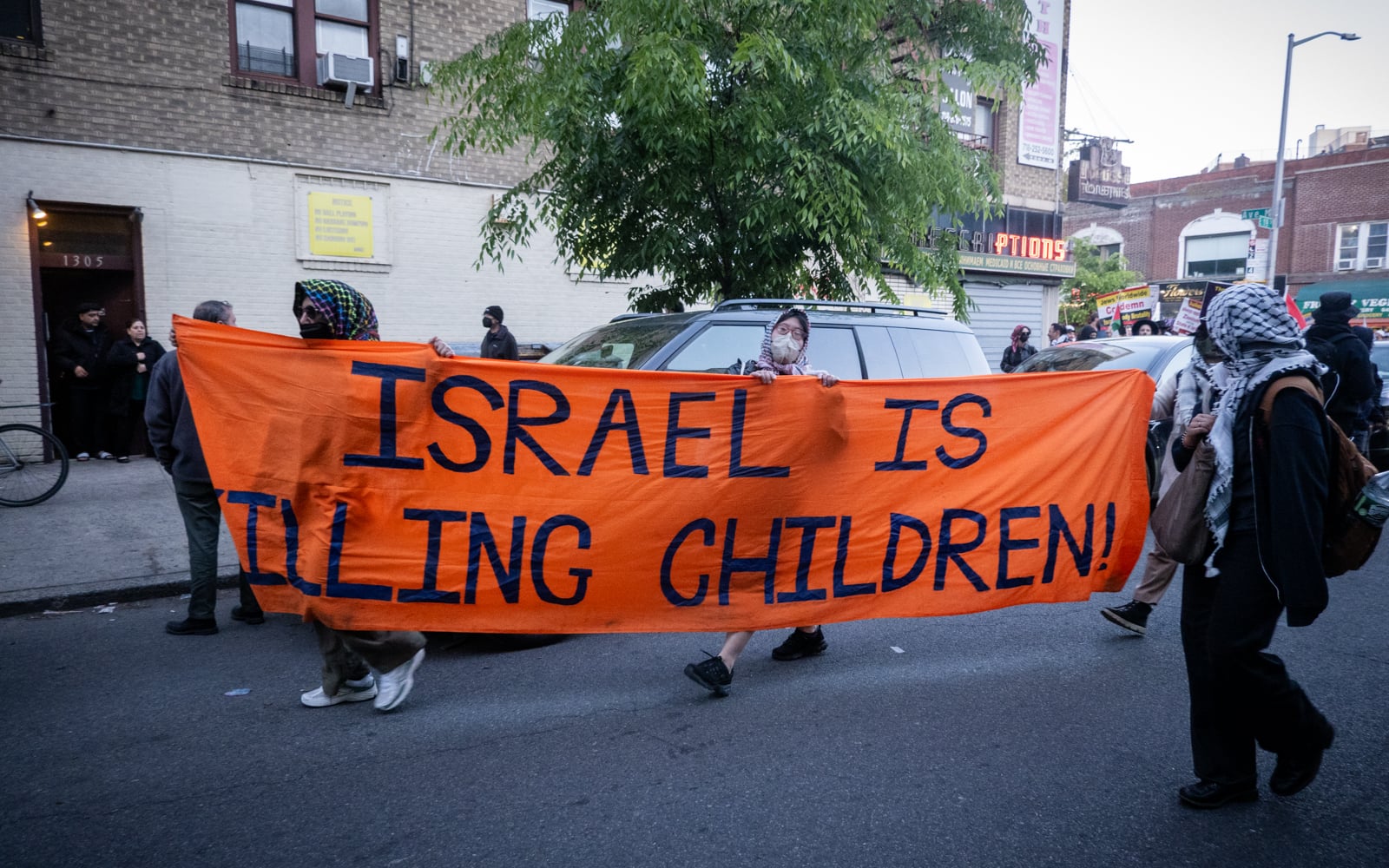
The anti-Israel animus is clearly energizing for the DSA, though, and the elections sent a message to Democratic Party leadership.
The DSA has made anti-Israel politics a prominent part of its platform. At the victory parties for Chevalier and Valdez, the crowd chanted “Free Palestine.” At Valdez’s event, attendees chanted, “Fuck AIPAC,” despite the lobby’s lack of involvement in her race.
In heavily Democratic areas like New York City, DSA candidates are effectively running against moderate Democrats in primaries, not against Republicans.
Prominent Mamdani allies posted threatening messages after the primary wins. Columbia University protest leader Mahmoud Khalil said, “Let this election be a warning.” Streamer Hasan Piker said, “Can you feel the spectre haunting the nation!!!!! Socialism is coming to your neighborhood too.” When House Minority Leader Hakeem Jeffries, a moderate when it comes to Israel, appeared on a screen at Valdez’s event, attendees booed and chanted, “You’re next.”
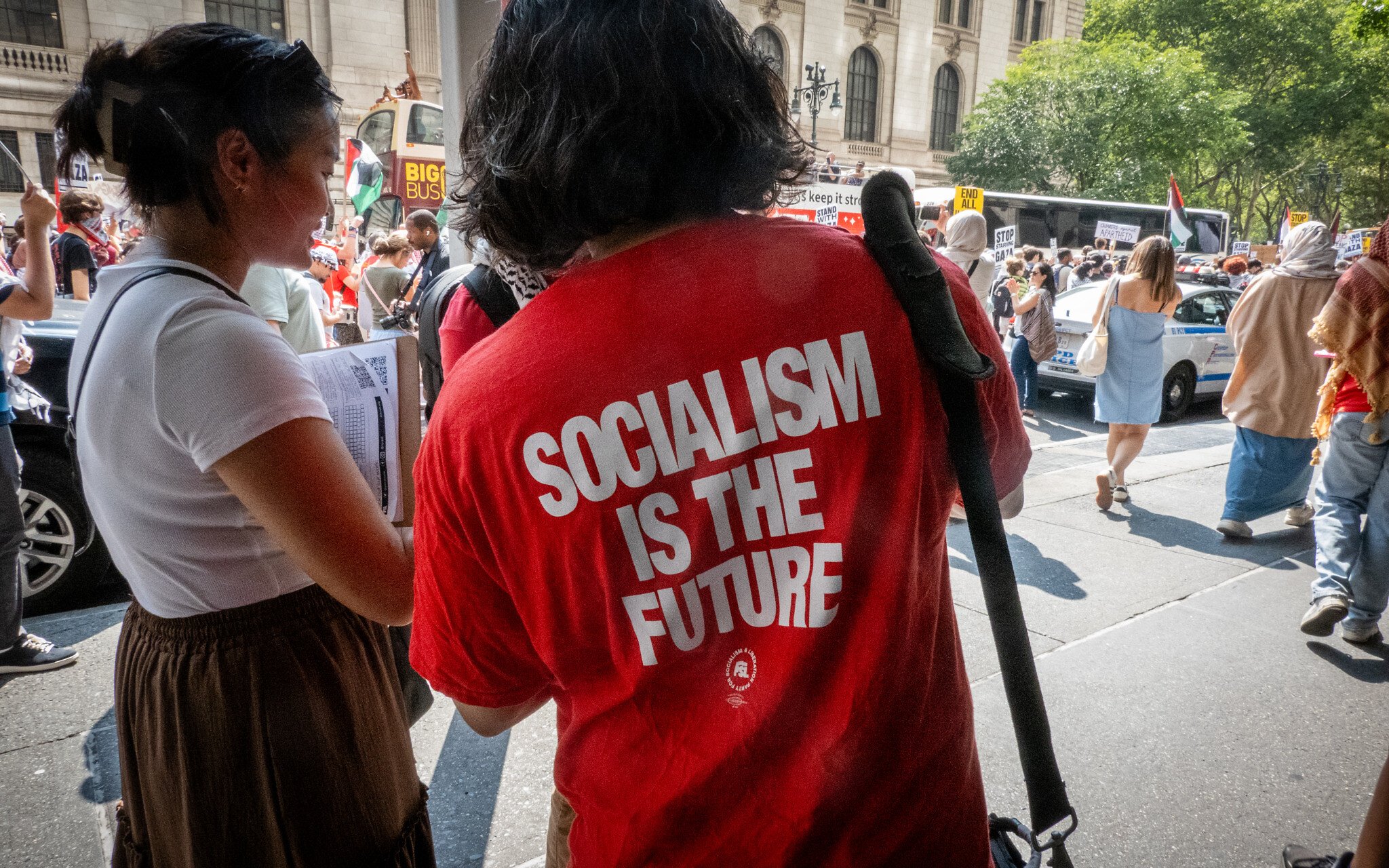
Chevalier’s toppling of Espaillat was especially striking. Espaillat was a five-term incumbent, while Chevalier has no legislative experience. Like Mamdani, her entry into politics came through anti-Israel campus protest organizing. She was relatively unknown until Mamdani waded into the campaign.
The endorsements were a massive risk for Mamdani, as he flouted the party’s leadership and reportedly betrayed past commitments to back his socialist allies.
New York State Attorney General Letitia James acknowledged “hurt feelings” due to the endorsements and said the party needs to reckon with its left flank to “see if we can come to some sort of understanding.”
The primary wins were partly about the city’s demographics, so it’s unclear how the momentum will carry to other areas.
According to polls, Mamdani has performed best among younger voters, transplants to the city and the more highly educated, particularly in the so-called “Commie Corridor” of western Queens and Brooklyn.
Chevalier, Valdez and Lander won in areas that Mamdani carried in the mayoral election, so the victories don’t necessarily indicate that the far left has expanded its reach. While Valdez and Lander won crushing victories in their more affluent districts, Chevalier won by a narrow margin in her more working-class area.
There are currently only two DSA members in Congress — New York’s Alexandria Ocasio-Cortez and Michigan’s Rashida Tlaib — meaning the wins from Valdez and Chevalier will likely double the far-left movement’s Congressional representation.
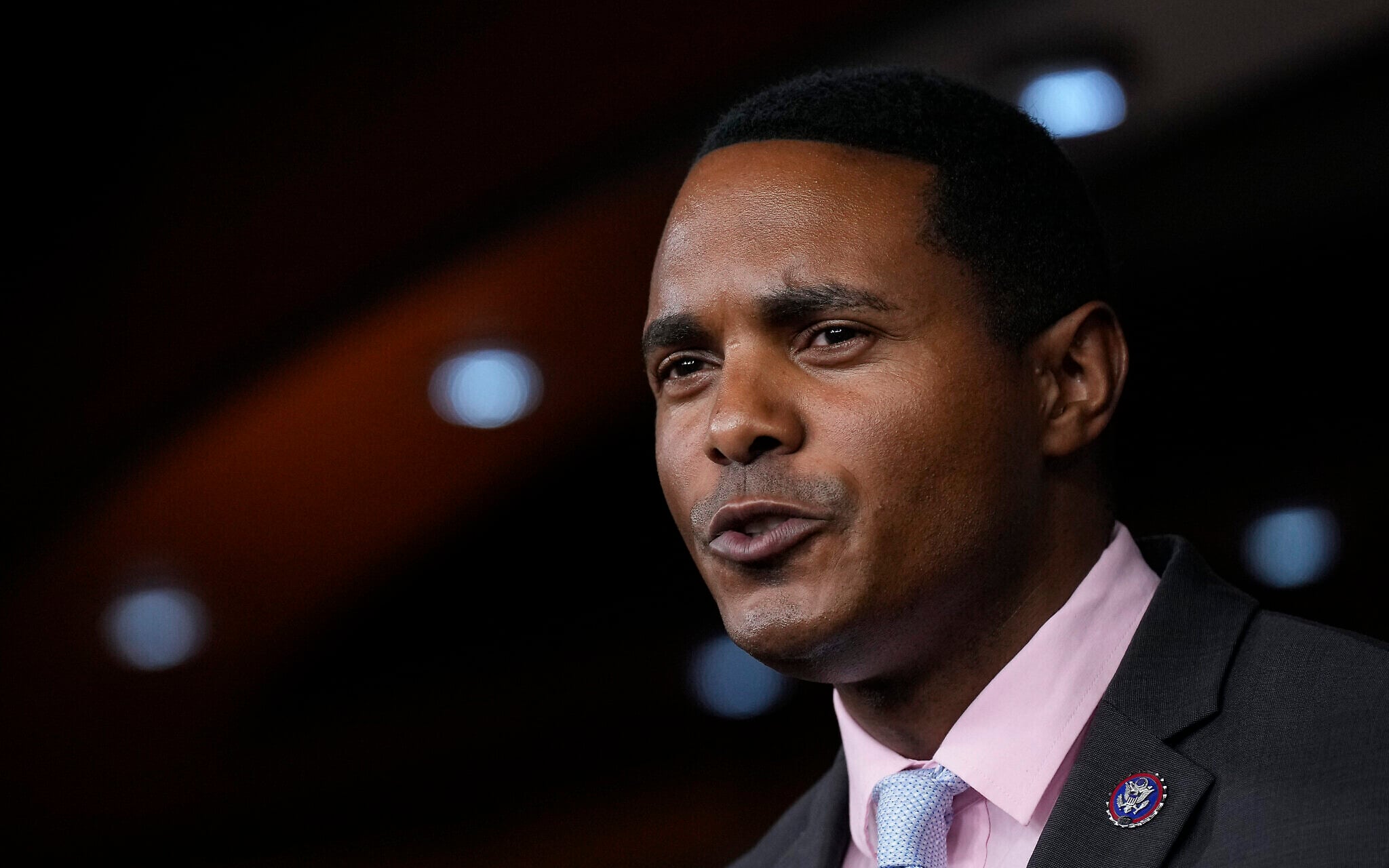
In other areas, pro-Israel candidates Ritchie Torres and Grace Meng held onto their seats. Torres’s overwhelming victory in particular suggests that Israel support is not a deal-breaker. Torres is one of Israel’s most outspoken supporters in Congress. His challenger, Michael Blake, reversed his previous support for Israel, but failed to gain traction. Blake and Meng’s opponents did not have the backing of Mamdani and the DSA, though.
In the 12th Congressional District, covering the Upper East Side, Upper West Side and Midtown Manhattan, often described as the “crown jewel” of the city’s districts, Jewish moderate Micah Lasher won his primary. In that race, Israel was an issue, but both Lasher and his leading opponent, Alex Bores, took moderate positions.
Lasher and Goldman had lamented the prominent role that Israel played in the campaigns.
“I am exhausted by the obsession on a plot of land the size of New Jersey,” Lasher said during a debate, pointing to the absurdity of one foreign conflict often taking precedence over domestic concerns like housing.
After conceding to Lander, Goldman accused him of promulgating “dangerous antisemitic tropes” and said that Israel had played an “outsized” role in the campaign.
“It obviously was a focus of my opponent,” he said. “It was a focus of the media. It was not as much of a focus of certainly the families who are struggling day to day.”
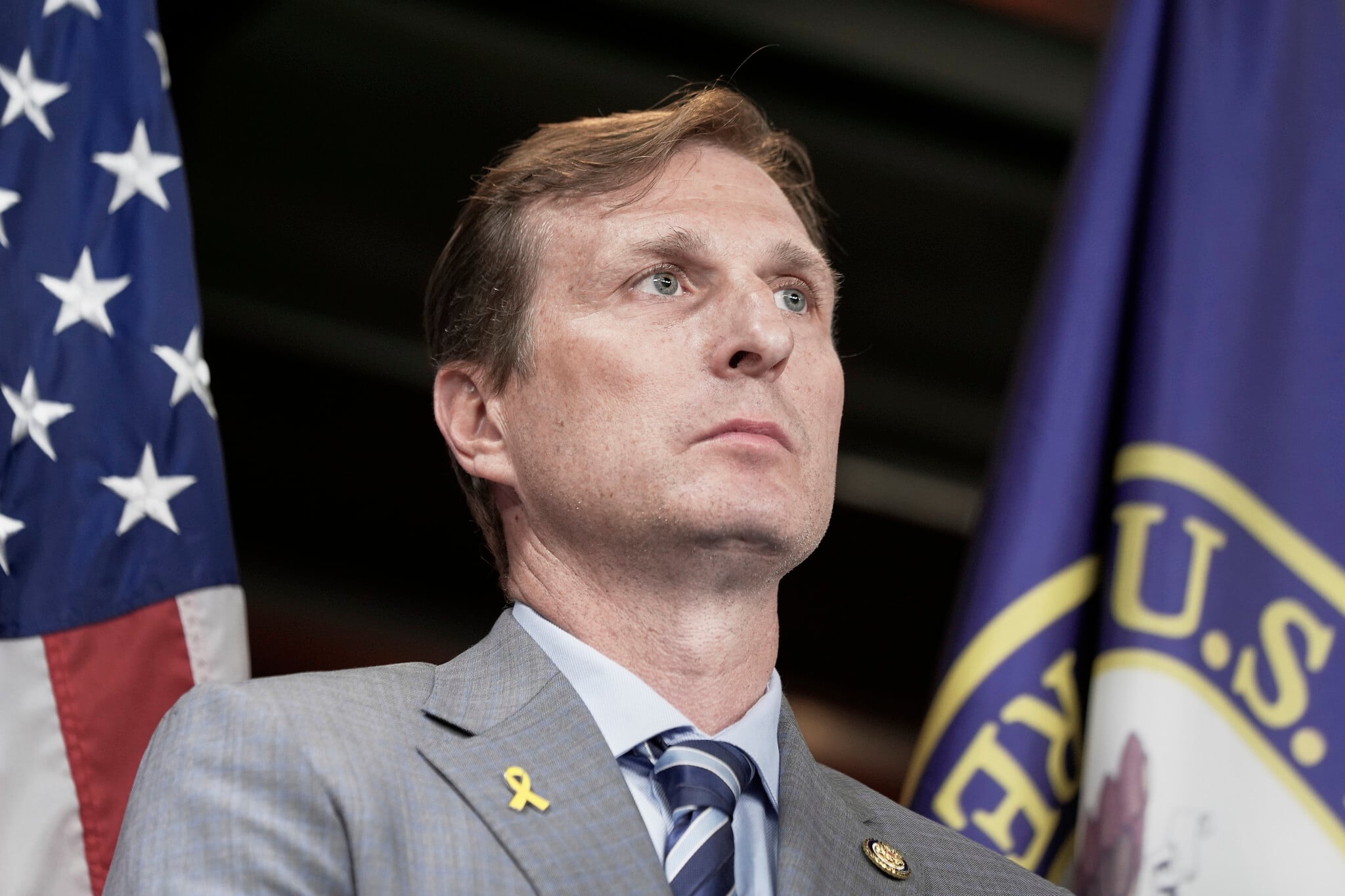
The primary wins came after other incidents in the city unnerved Jewish New Yorkers.
Mamdani last week likened AIPAC to “monsters” deploying “dark money” to foment “genocide” and stoke societal divisions. Leading Jewish groups and some Jewish Mamdani supporters decried the comments as antisemitic, but Mamdani has since doubled down. Lander, confronted about the comments during voting on Tuesday, refused to either condemn or defend the statement.
On Monday, a coffee shop banned Goldman after he stopped at one of its locations, saying the company did not allow “genocide enablers” on its premises.
In his concession speech, Goldman highlighted Jews’ prominent role in the civil rights movement and sounded a warning.
“Jews have given so much to this country,” he said. “As history has taught us, antisemitic tropes and stereotypes, some of which I heard personally on this campaign, will ultimately be the undoing of our democracy if we all don’t lean in and speak out, even if it’s not politically expedient.”