World
Luhut’s BlackRock outreach legitimises genocide in Gaza

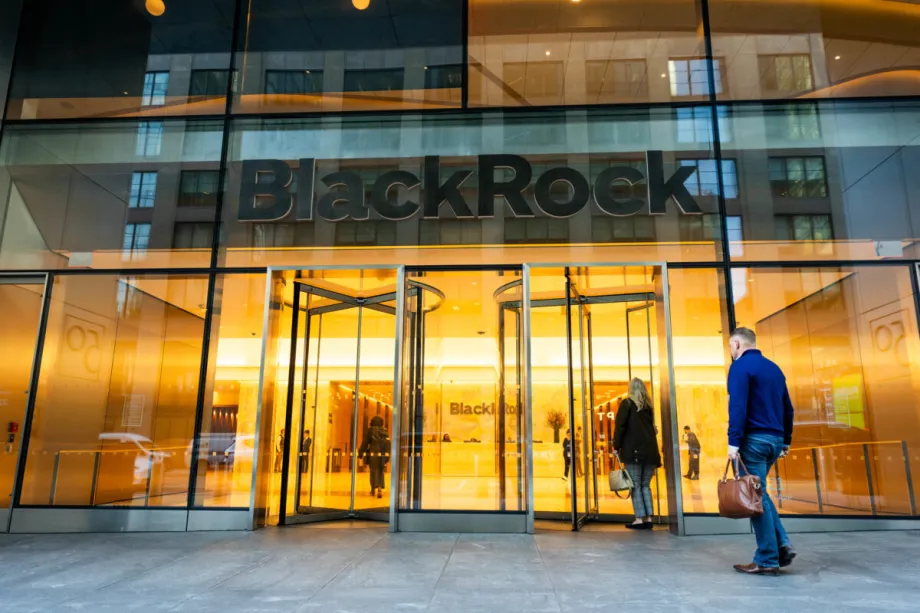
Luhut Binsar Pandjaitan, chairman of Indonesia’s National Economic Council and one of the most influential figures in the country’s economic policymaking establishment, recently revealed that he had been encouraging BlackRock to invest in Indonesia. Speaking at Indonesia Summit 2026, Luhut described how executives from the world’s largest asset manager questioned Indonesia’s economic prospects and even raised concerns about the possibility of another crisis similar to 1998. His response was not to ask whether BlackRock was the right partner for Indonesia. Instead, he reassured them that Indonesia’s future remained bright and that now was precisely the right time to invest.
Those remarks should alarm anyone who believes Indonesia’s solidarity with Palestine is more than a diplomatic slogan.
This was not merely a conversation about investment. Nor was it an isolated encounter. BlackRock has repeatedly appeared in Indonesia’s investment diplomacy, from sovereign wealth initiatives and infrastructure financing discussions to broader efforts aimed at attracting global capital.
That willingness comes at a moment when Gaza has become the site of one of the gravest humanitarian catastrophes of the twenty-first century. Across much of the world, governments, legal scholars, human rights organisations and civil society groups have increasingly described Israel’s actions in Gaza as genocide. Indonesia itself has repeatedly condemned the devastation inflicted on the Palestinian people.
BlackRock is not simply another investment manager seeking opportunities in emerging markets. It is one of the most powerful financial institutions in the world and a major shareholder in defence corporations whose weapons systems have been used by Israel in Gaza. Through substantial holdings in leading arms manufacturers, BlackRock remains deeply embedded in the financial architecture that profits from militarisation, conflict and war.
The distinction between manufacturing weapons and financing the corporations that manufacture them may satisfy lawyers and fund managers. It is far less convincing to Palestinians burying their families beneath the rubble of destroyed homes, schools and hospitals. Arms manufacturers depend on investors. Investors profit from arms manufacturers. The machinery of war does not operate without capital.
This is why Luhut’s outreach matters.
Whether intentional or not, such outreach contributes to the normalisation of financial actors whose profits remain linked to industries that have benefited from the destruction of Palestinian lives.
That is why this is not merely a debate about investment.
It is a debate about complicity.
Indonesia cannot simultaneously condemn genocide in Gaza while actively seeking closer relations with institutions that many regard as integral to the broader financial ecosystem sustaining that violence. It cannot invoke anti-colonial solidarity while treating powerful investors linked to the global arms economy as preferred partners. Nor can it continue claiming moral leadership on Palestine while helping legitimise actors that many Palestinians view as part of the economic architecture behind their suffering.
The familiar defence is that Indonesia needs investment. Yet Indonesia is not a desperate country with no alternatives. It is Southeast Asia’s largest economy, a strategic minerals powerhouse and a country increasingly courted by sovereign wealth funds and investors across the Gulf and the wider Global South. The choice facing Indonesia is not between BlackRock and economic collapse.
The choice is between preserving principle and sacrificing it for capital.
Luhut’s remarks suggest that parts of Indonesia’s elite have already made that choice.