Society
Jonathan calls for deeper local content to frive industrial growth

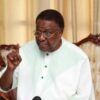
Former President Dr. Goodluck Ebele Jonathan has commended the progress recorded in indigenous participation in Nigeria’s oil and gas industry, while stressing that more must be done to deepen local content in order to strengthen the nation’s industrial base and diversify the economy.
Dr. Jonathan said it was in pursuit of this vision that, during his administration, he signed the Nigerian Oil and Gas Industry Content Development (NOGICD) Act into law, providing a strong legal framework for increased indigenous participation, technology transfer, job creation, and the growth of Nigerian businesses across the oil and gas value chain.
The former President made the remarks on Monday while chairing the inaugural Sweet Crude Dialogue, organised by De Mangrove Conversations in Yenagoa, Bayelsa State. The event was held under the theme: “Through the Python’s Eyes: 70 Years of Oil and Gas Production in Nigeria.”
He expressed satisfaction with the progress made in building local capacity in the petroleum industry, noting that his administration was deliberate in ensuring that Nigerians became active participants rather than passive observers in the country’s most strategic economic sector.
“I am particularly pleased that Nigeria has made progress in developing local capacity within the petroleum industry. During my administration, we remained committed to ensuring that Nigerians became active participants rather than passive observers in this strategic sector,” he said.
Speaking on the future of the industry, Dr. Jonathan urged Nigeria to leverage its hydrocarbon resources to build a diversified and resilient economy in the face of the global energy transition.
Dr. Jonathan recalled that his conviction about local content was shaped years before he became President. He recounted that during an official visit to China while serving as Deputy Governor of Bayelsa State, he visited the country’s oil museum and was informed that virtually all equipment used in China’s petroleum industry was manufactured locally.
He noted the irony that although Nigeria discovered oil in 1956, two years before China’s first commercial oil discovery in 1958, the country continued to import most of the equipment and consumables required by its oil and gas industry.
According to him, that experience reinforced his determination to prioritise the local content law upon assuming office as President.
“I believed that if we could get local production of equipment for the oil industry right, it would naturally extend to other sectors of the economy. That was why I gave priority to the Local Content Act when I became President.”
He stressed that the true value of Nigeria’s petroleum resources lies not merely in crude oil exports but in building industries around the sector.
“It is not just about selling crude oil. Yes, we earn revenue from crude exports, but that alone does not create the jobs we need or diversify the economy. What drives diversification is the industrial aspect of the oil industry. There must be local production of most of the equipment and consumables we require. We have made good progress, but there is still more to do.”
Reflecting on efforts to restore peace in the Niger Delta, Dr. Jonathan recalled that as Vice President he personally visited militant camps deep in the creeks, including the dreaded Camp One, during negotiations that eventually paved the way for the amnesty programme and lasting peace in the region.
He recounted that although the militants insisted he attend the meeting without armed security, despite the reservations of his security team, he accepted the risk in the interest of achieving peace.
The former President noted that debates around oil and gas development are similar across producing nations, as governments everywhere face increasing environmental pressures while balancing economic development. He urged the organisers to continue drawing attention to issues that directly affect host communities and the sustainable development of the Niger Delta.
Dr. Jonathan also identified the need for greater attention to community development and the role of sub-national governments in ensuring that the benefits of the region’s natural resources translate into improved living standards for the people.