World
Iran war fallout puts UAE on tightrope between Jerusalem and Tehran

As the US-Israeli war against Iran spilled into the Gulf this year, Israel’s chief ally in the Arab world found itself in an uncomfortable position.
Facing some of the heaviest Iranian attacks of the conflict, the United Arab Emirates deepened military ties with the Jewish state, reportedly cooperating on both defensive and offensive measures. But the fighting also sharpened existing political tensions for the Emiratis, who had been the linchpin of the US-brokered Abraham Accords normalization framework, while creating new friction points as well.
Washington’s ultimate decision to pursue a diplomatic off-ramp, with the Iranian regime intact and poised to recover, has pushed key Gulf states back toward accommodation with Tehran, complicating Abu Dhabi’s relationships with both the US and Israel, experts say.
The war has yet to prompt a clear shift in Emirati policy, but reduced trust in US military protection and a growing recognition that it will need to coexist with the regime in Tehran — as well as longstanding political disagreements with Israel — make it harder for the prominent Gulf state to visibly embrace Jerusalem.
While UAE-Israel security cooperation is likely to continue quietly and even deepen, it may be some time before the Emiratis are ready to openly heat up relations with Israel. Exactly how long it takes and how warm ties get may be determined to a significant degree by which Israeli government emerges from the upcoming election.
At arm’s length
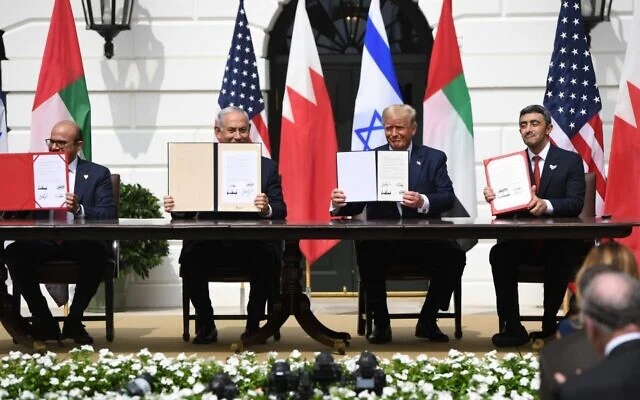
Public diplomacy between Jerusalem and Abu Dhabi — which inked the Abraham Accords at the White House in 2020, along with Bahrain — had already grown more complicated after Prime Minister Benjamin Netanyahu returned to power in late 2022.
Under Netanyahu’s right-wing government, Emirati officials become unsettled by Israeli actions and rhetoric surrounding the Temple Mount, the West Bank, and the actions and rhetoric of far-right ministers, particularly National Security Minister Itamar Ben Gvir. Under the previous government under Naftali Bennett and Yair Lapid, by contrast, ties had been more openly displayed.
During the war against Hamas in Gaza that began with the terror group’s massacre in Israel on October 7, 2023, Abu Dhabi maintained its commitment to normalization. But it faced growing domestic and regional sympathy for Palestinians and was itself frustrated with what it saw as Israel’s lack of a coherent postwar strategy.
Similarly, the Iran war failed to either turn the Emiratis against Israel or put them in Jerusalem’s corner.
On one hand, Gulf states felt “the Americans and the Israelis acted in a way that threatened the Gulf states’ interests without taking those interests enough into account,” said Joshua Krasna, a fellow at the Moshe Dayan Center at Tel Aviv University and a former Mideast strategic analyst for the Israeli government.
But once Iran began striking the Gulf in response — especially the UAE — the attacks made clear that Tehran was the main aggressor, and exposed vulnerabilities that boosted the value of Israeli security cooperation for Abu Dhabi, Krasna continued.
“They might have blamed [Israel] for starting the war and everything, but it was clear to them who was attacking them,” he said.
UAE presidential adviser Anwar Gargash said in April that Israeli and American influence in the Gulf would only increase as a result of Iran’s “strategy” in the region.
Between February 28 and a ceasefire reached on April 8, Tehran — which had vowed to strike US bases in the region — fired some 550 ballistic and cruise missiles and more than 2,200 drones at military and civilian targets in the UAE, Emirati figures show, making it the most-targeted country in the region, including Israel. The UAE has also been targeted several times since the truce, including an attack on a nuclear plant.
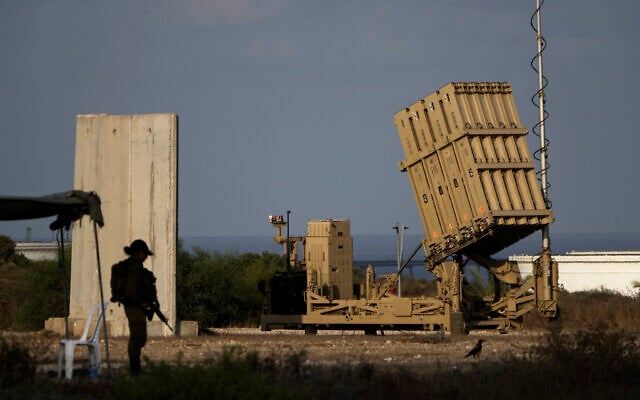
According to reports, Abu Dhabi sought assistance from allies, prompting Israel to send an Iron Dome anti-missile battery and dozens of soldiers to operate it, and to participate in intelligence-sharing and air-defense cooperation.
The extent of the UAE’s offensive involvement in the war remains vague. While Abu Dhabi publicly insisted it would not strike Iran, and denied that its territory was used to launch attacks, reports during and after the conflict — confirmed to The Times of Israel by an Arab diplomat — indicate that the UAE had carried out some attacks on Iran.
Despite the military cooperation, many have continued to blame Israel for effectively making the UAE a target, said Yoel Guzansky, head of the Gulf Research Field at Tel Aviv University’s Institute for National Security Studies.
“They say: You brought this disaster upon us… to a large extent, the relationship with Israel was a trigger for the Iranians to see the Emirates as a major target,” said Guzansky, who formerly coordinated on Gulf-related affairs at the National Security Council in the Prime Minister’s Office.
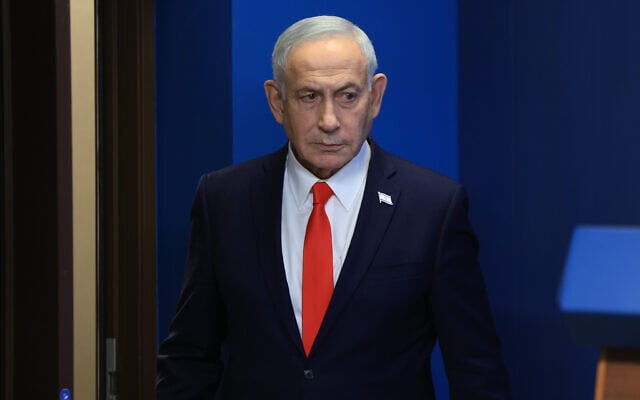
When Abu Dhabi denied that Netanyahu met with UAE President Mohammed bin Zayed in the country during the war, a trip leaked by Israeli media and confirmed by the premier, it illustrated the tension between the Emiratis’ reliance on Israel as a military partner and the cost of being seen as cozying up to Jerusalem.
The incident embarrassed the Emiratis and made Israel appear politically self-serving and insensitive to the UAE’s preference for quiet coordination, Krasna said.
Officials familiar with the matter acknowledged to The Times of Israel that Netanyahu’s public admission of the visit damaged personal relations between the two leaders.
Stuck with Iran
The war’s broader impact on Gulf relations with Iran further complicates the Israel-UAE relationship.
Because the Iranian regime survived and proved capable of threatening the economic lifelines of Saudi Arabia, the UAE, Qatar and other Gulf monarchies through the Strait of Hormuz, those countries are likely to become more cautious with Tehran rather than more confrontational, experts said.
Rather than push Abu Dhabi further away from Tehran, the war has convinced the UAE that maintaining a diplomatic relationship with Iran is important, said Krasna: “They don’t have to like the Iranians, but they have to live with them.”
That shift already appears to be taking shape. Senior Emirati national security officials reportedly met with their Iranian counterparts in Tehran earlier this month, for the first time since the war started.
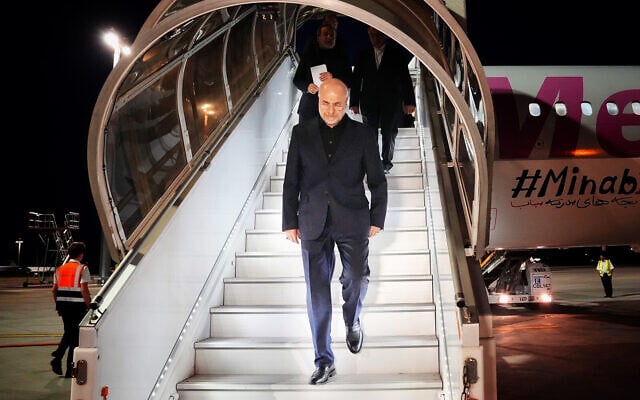
“Once they understood that the Americans were not going all the way” against Iran, Gulf states “gradually changed their tune” and realized that they would need to manage relations with Tehran, Guzansky said.
Israel and Gulf nations thus emerged from the war with very different priorities, at least in the short term. Israel remains focused on Iran as a strategic and ideological threat, while Gulf capitals — and Washington — are focused on economic stability and freedom of navigation.
Ahead of the signing of the US-Iran memorandum of understanding, sources with direct knowledge told The National, mediators resorted to “maximum secrecy and misinformation” to prevent Israel from learning details of the negotiations and potentially trying to derail them.
The report in the state-owned English-language Emirati daily, likely reflecting the stance of the Gulf state’s rulers, underscored concerns in Abu Dhabi that Israel’s objectives regarding Iran did not align with the UAE’s.
“Energy for the Gulf states and for [US President Donald] Trump and frankly for the rest of the world is the single most important aspect of this crisis,” said Simon Henderson, director of the Bernstein Program on Gulf and Energy Policy at The Washington Institute.
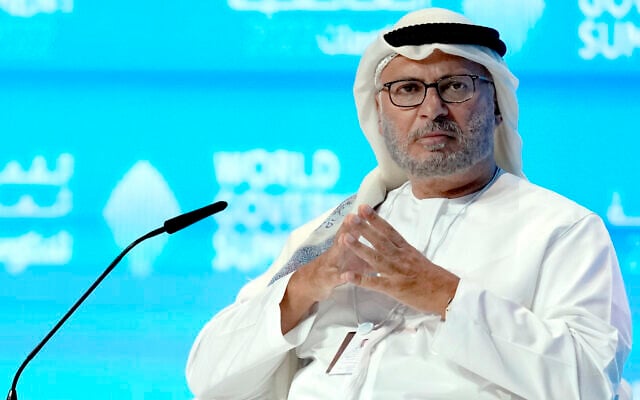
The damage to Gulf trust in the US-Israeli security umbrella also hurts momentum on the Abraham Accords alliances, which were built in part on Gulf confidence in American military power, said former Israeli ambassador to the US Michael Oren.
“The cement of the Abraham Accords was the belief in the staying power of American force. And that’s not happening,” he said, warning that “there’s a greater possibility that Gulf states will start gravitating toward Tehran now.”
Postwar troubles
It’s still too early to tell whether Abu Dhabi’s postwar calculations will lead it to a cooling or readjustment of ties with Jerusalem.
Emiratis continue to see value in cooperation with Israel on security as well as other fields, but have a hard time trusting Netanyahu’s political judgment and remain wary of the cost of associating with Israel, Krasna said.
Nonetheless, the UAE still sees strategic value in the Abraham Accords, and is particularly interested in “fields like AI… agritech… healthtech… alternative energies, which are fields that they feel that Israel has a lot to offer them,” he said.
An Israeli official recently insisted to AFP that “enhancement in cooperation will grow further [with the UAE], not only in military cooperation,” saying that two Israeli delegations were set to visit the UAE this month, including a transportation ministry team that would discuss a trade corridor linking India, the Middle East, and Europe.
But tensions remain, including issues that predate the conflict with Iran.
Guzansky noted that while the Iran war temporarily shifted attention away from the demilitarization and rehabilitation of Gaza — to which the UAE is among the largest aid donors — political disagreements on the Palestinian issue “still create distance between the sides.”
“Once the cameras move and return to Gaza, the gaps will suddenly resurface,” he said.
Most Emirati officials continue to support relations with Israel, but have serious problems with the current Israeli government, said Guzansky.
“Everyone in the Gulf is waiting… for [upcoming Israeli] elections. They very much hope that a different government will come to power in Israel,” one that will be more discreet, consultative, and realistic about Emirati interests, he said.