Topnews
Igbo Presidency, Identity, Cultural Rebirth, Immortalization Dominate Discourse as UNIZIK Hosts 12th F.C. Ogbalu Memorial Lecture

By Izunna Okafor, Awka
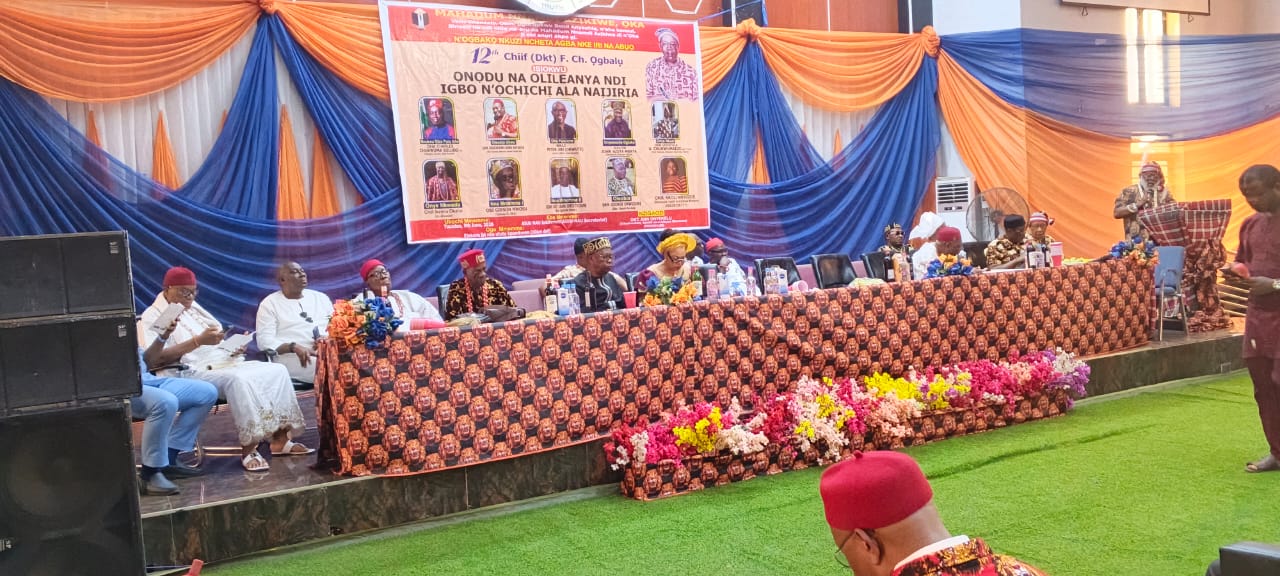
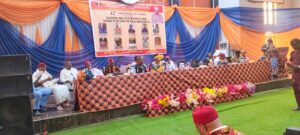
The future of the Igbo nation, the preservation of Igbo cultural heritage, the quest for equitable participation in Nigeria’s governance, and the enduring legacies of foremost Igbo linguist and cultural icon, late Chief Dr. Frederick Chidozie Ogbalu, took centre stage and dominated discourse on Tuesday as Nnamdi Azikiwe University, Awka, hosted the 12th edition of the F.C. Ogbalu Memorial Lecture.
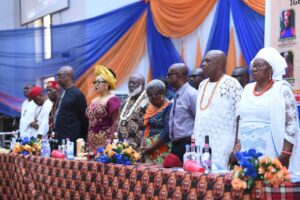
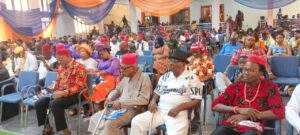
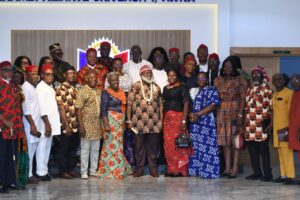
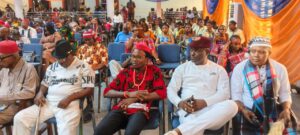
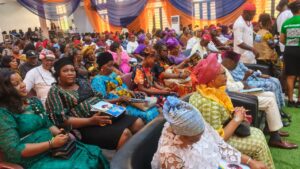
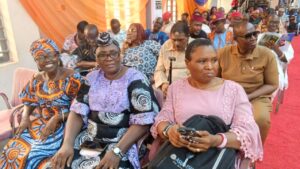
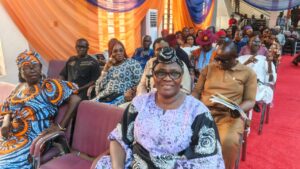
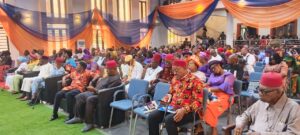
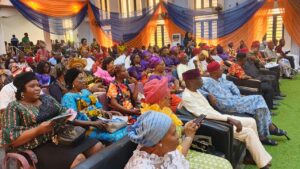
The intellectually stimulating event, held at the ASUU Secretariat of the university, attracted renowned scholars, traditional rulers, government officials, cultural enthusiasts, students, members of the Ogbalu family, and eminent Igbo leaders, all of whom unanimously advocated renewed commitment to preserving the Igbo language, strengthening unity among Ndị Igbo, repositioning the region for greater national relevance, and honouring of F.C. Ogbalu’s memory.
Beyond celebrating the life and contributions of the late scholar, the memorial lecture evolved into a robust conversation on the political future of the Igbo people, the need for reconciliation after decades of historical grievances, and the imperative of immortalizing one of the greatest champions of Igbo language and literature.
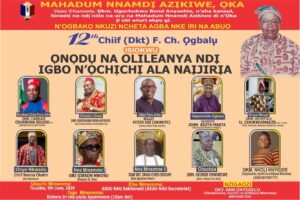
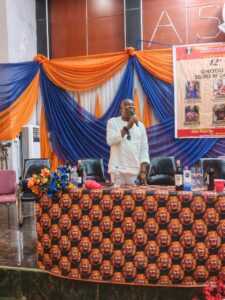
The 12th F.C. Ogbalu Memorial Lecture, delivered (in Igbo Language) by the Vice-Chancellor of Imo State University, Owerri, Prof. Uchefula U. Chukwumaeze (SAN), examined the historical and contemporary position of the Igbo people in Nigeria’s governance architecture and argued that despite decades of political and economic setbacks, the resilience, enterprise and innovative spirit of the Igbo remain unmatched.
Speaking on the theme, “The Condition and Prospects of the Igbo People in the Governance of Nigeria (Ọnọdụ na Olileanya Ndị Igbo N’Ọchịchị Ala Naịjiria),” the legal scholar traced the fortunes of the Igbo from the pre-colonial era through the Civil War and post-war reconstruction period, maintaining that the region’s contributions to national development have remained significant despite numerous challenges.
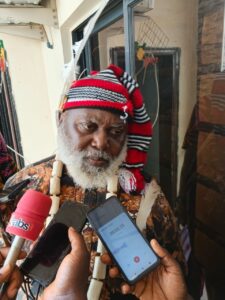
He described the Igbo people as exceptionally resilient, innovative and industrious, noting that despite the devastating consequences of the Civil War and several post-war policies perceived to have disadvantaged the region, the Igbo spirit has continued to flourish.
The legal scholar argued that the post-war programme of Reconciliation, Rehabilitation and Reconstruction initiated under General Yakubu Gowon did not achieve its intended objectives because of implementation failures and prejudice, thereby leaving many historical wounds unresolved.
He maintained, however, that despite these experiences, the Igbo people remain committed believers in the Nigerian project and have consistently contributed immensely to national unity and development.
Tracing the evolution of governance among the Igbo before colonialism, Prof. Chukwumaeze contended that the republican system practised by the people reflected a highly organised democratic structure which was later weakened by colonial indirect rule and the imposition of warrant chiefs.
He equally highlighted the contributions of iconic Igbo personalities such as Sir Louis Ojukwu and revisited the strategic role played by Igbo leaders during Nigeria’s nationalist movement and democratic development, including the historic NPN/NPP accord that produced Dr. Alex Ekwueme as Vice President and Chief Edwin Ume-Ezeoke as Speaker of the House of Representatives.
The university don also reflected on the events surrounding the 1966 political crisis, the Northern pogroms and the Nigerian Civil War, observing that the failure to honour earlier political agreements significantly contributed to the conflict and its devastating consequences.
While calling for sincere national reconciliation, he advocated policies anchored on justice, equity and inclusion to foster stronger national cohesion.
On the issue of the long-standing agitation for an Igbo President, he opined that apprehensions in some quarters may stem from fears that an Igbo presidency could encourage separatist tendencies once they occupy the country’s presidential position. He therefore urged Igbo leaders to continually reassure other regions that an Igbo occupant of Nigeria’s highest office would remain fully committed to the unity and progress of the country while promoting fairness for all.
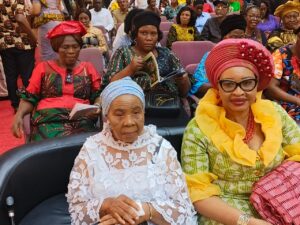
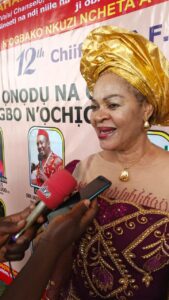
Speaking earlier in his opening remarks, the Chairman of the Occasion and President-General of Ohanaeze Ndigbo Worldwide, Senator John Azuta-Mbata, represented by former Head of the Department of Linguistics, Imo State University, Prof. Frances Ngozi Chukwukere, described the event as a laudable platform for important discourse, while also lauding Chief Ogbalu as a visionary whose life’s work laid enduring foundations for the preservation and academic development of the Igbo language.
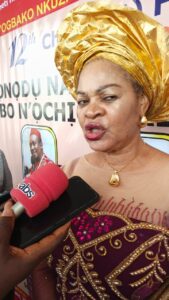
He commended Nnamdi Azikiwe University for sustaining the annual memorial lecture and praised the institution’s Vice-Chancellor, Prof. Ugochukwu Bond Stanley Anyaehie, for supporting initiatives that promote indigenous scholarship and cultural consciousness.
The Ohanaeze leader urged Ndị Igbo to draw inspiration from Ogbalu’s selfless service by embracing unity, reconciliation and collective advancement instead of internal rivalry and political divisions.
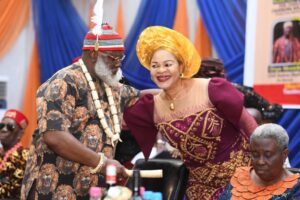
According to him, the Igbo nation possesses enormous intellectual and economic resources, with distinguished professionals, entrepreneurs, administrators and academics capable of making transformational contributions to Nigeria if properly united and strategically positioned.
He also expressed concern over rising insecurity, kidnapping and violent crimes involving some youths of Igbo extraction, warning that such activities continue to damage the image of the region. He called on communities to revive shared values and collective responsibility while encouraging the restoration of the celebrated Igbo apprenticeship system as a catalyst for economic empowerment and technological growth.
Azuta-Mbata further disclosed that Igbo communities in Edo, Delta, Rivers, Benue, Cross River and Kogi States had reaffirmed their commitment to the broader Igbo identity, describing the development as a positive step towards strengthening the unity of the race.
Earlier declaring the event open on behalf of the UNIZIK Vice-Chancellor, the Deputy Vice-Chancellor (Administration), Prof. Hilda Osisioma, challenged participants to translate the knowledge gained from the programme into practical contributions towards societal development. He further reassured of the university Management’s continued support for initiatives that advance scholarship and indigenous culture.
Giving an overview of the F.C. Ogbalu Memorial Lecture and its impacts, the Chairperson of the Organising Committee, Prof. Nkoli Nnyigide, reflected on how participating in the 2009 edition of the memorial lecture shortly after graduation became a turning point in her academic journey.
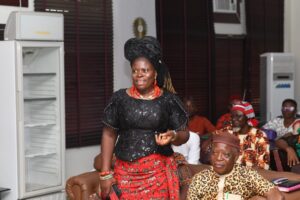
She urged younger generations to take pride in their heritage and reject the misconception that some academic disciplines are superior to others, stressing that excellence can be attained in every legitimate profession through dedication and hard work.
She also applauded the Ogbalu family, particularly the Provost of the College of Postgraduate Studies, Prof. Anthony Ogbalu, for preserving and sustaining the remarkable legacy left behind by the late cultural icon.
Also speaking, the Dean of the Faculty of Arts, Prof. George Onwudiwe, described Chief Ogbalu as one of the greatest pioneers of Igbo literary scholarship whose contributions remain invaluable to the survival of the language and culture, urging participants to uphold the ideals for which he stood.
Another major highlight of the event was the renewed call for the immortalization of Chief F.C. Ogbalu through the renaming or building of a befitting monument or institutional facility in his honour.
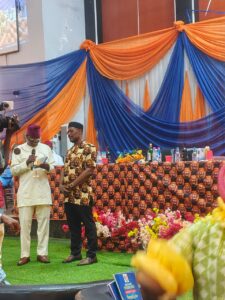
Leading the advocacy, in their separate remarks, renowned Igbo writer and Founder of Fomat Publishers, Mr. Chinedu Ofomata, who was honoured with an award at the event; and former Anambra State Governor, Chief Willie Obiano, represented by his Principal Secretary, Sir Willie Nwokoye, insisted that the late scholar deserves a befitting monument or institution in his honour.
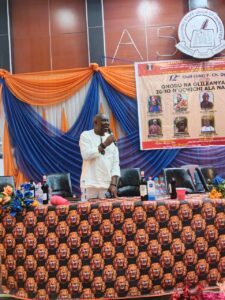
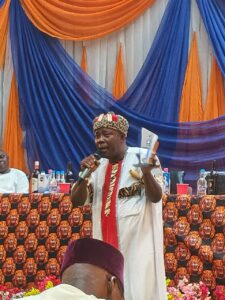
They argued that many countries preserve the memories of their great intellectuals through monuments and public institutions, stressing that it was time for Ndị Igbo to consciously celebrate and immortalize personalities whose contributions shaped the cultural and intellectual identity of the people.
The event also featured goodwill messages from several distinguished personalities, including Emeritus Professors Goddy Onyekonwu, Rob Egwuatu and Sam Omenyi, Prof. Emma Obidimma, Provost of the UNIZIK College of Postgraduate Studies Prof. Anthony Ogbalu, Prof. Elochukwu Amucheazi; former Minister of Women Affairs, Iyom Josephine Anenih; and Prof. Nkechinyere Nwokoye; all of whom extolled the significance and relevance of Chief Ogbalu’s contributions, while also emphasizing the importance of cultural preservation, quality education and intellectual leadership.
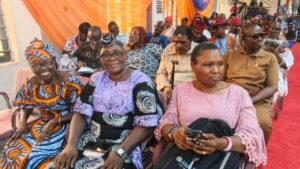
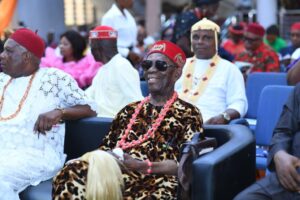
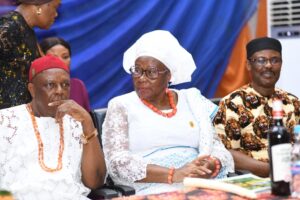
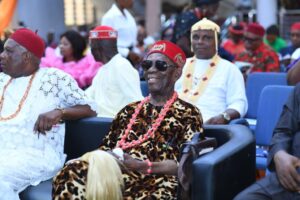
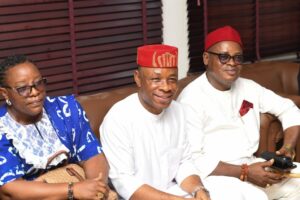
Traditional rulers, including the Ezeike Nibo, Dr. Sir M.C. Ngene; the representative of the Eze Uzu II of Awka, Chief Ken Chukwurah; and the Traditional Ruler of Okpuno, Igwe Engr. S.I. Okafor, alongside senior academics, deans, directors, heads of departments, students, community leaders and members of the Ogbalu family were also in attendance, lending further prestige to the annual memorial event.
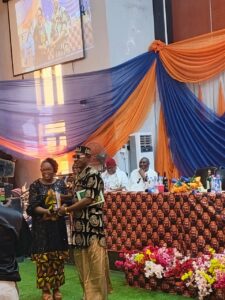
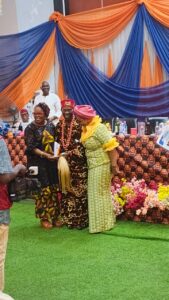
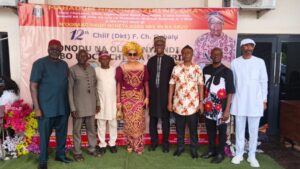
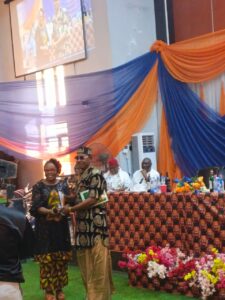
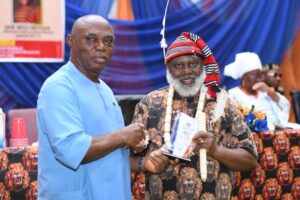
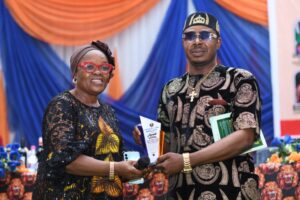
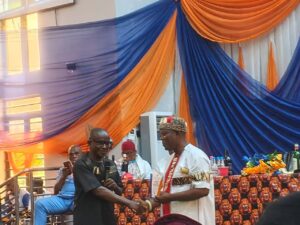
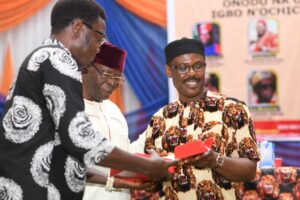
The ceremony equally witnessed the presentation of awards to some distinguished personalities, including the traditional ruler of Nibo, Dr. Sir Ngene (Ezeike Nibo), the guest lecturer, Prof. Chukwumaeze (SAN); Fomat Publishers MD, Mr. Ofomata, among others who have made remarkable contributions to society and the promotion of Igbo heritage.
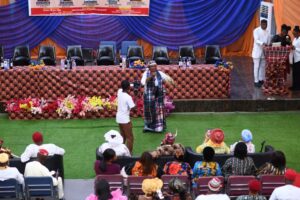
The well-attended was climaxed by colourful cultural performances and entertainment by students of Igbo and Music departments of the University, as well as the UNIZIK High School’s Omenkà Club Dance Troop, among other groups.
These, together with the various local delicacies served at the event, not only beamed light on the richness, beauty and resilience of Igbo tradition, but also added glamour to the occasion, while also amplifying the central message that preserving language, culture and identity remains indispensable to the future and continued relevance of the Igbo nation.
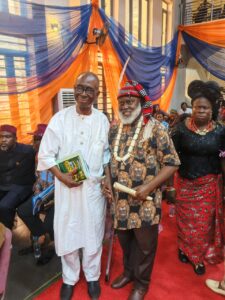
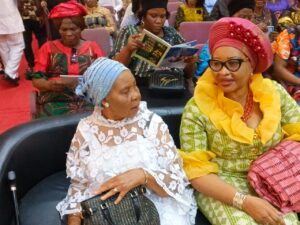
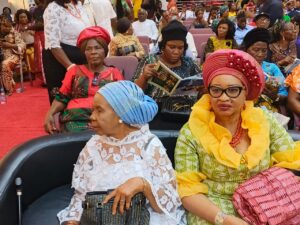
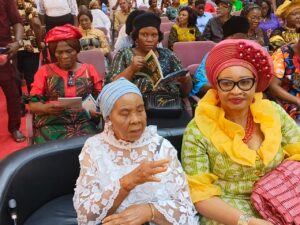
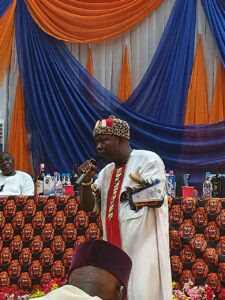
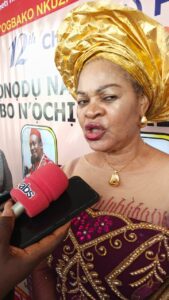
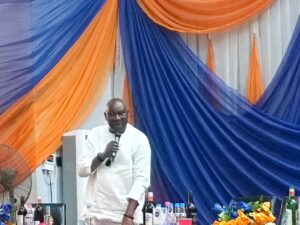
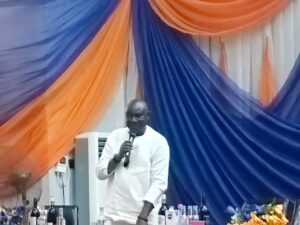
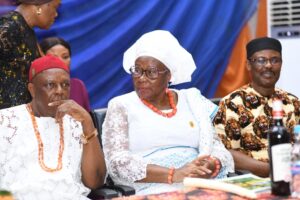
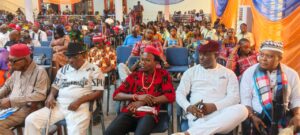
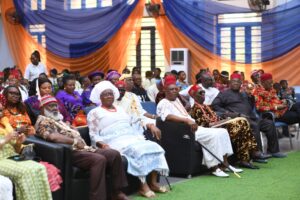
More photos from the event:
Related