World
IEA says Middle East fighting increases energy concerns

PARIS – The head of the International Energy Agency said on July 21 that renewed fighting in the Middle East increases concerns over energy supplies but that the market still has cushions to absorb the impact.
“The escalation in hostilities affecting the Strait of Hormuz and energy infrastructure in the region increases security of supply concerns and uncertainty over the market outlook,” IEA executive director Fatih Birol said in a statement.
“For the moment, crude oil markets continue to benefit from several cushioning factors,” he added, pointing to increased exports from several countries and Saudi Arabia and United Arab Emirates oil reaching markets by alternative routes.
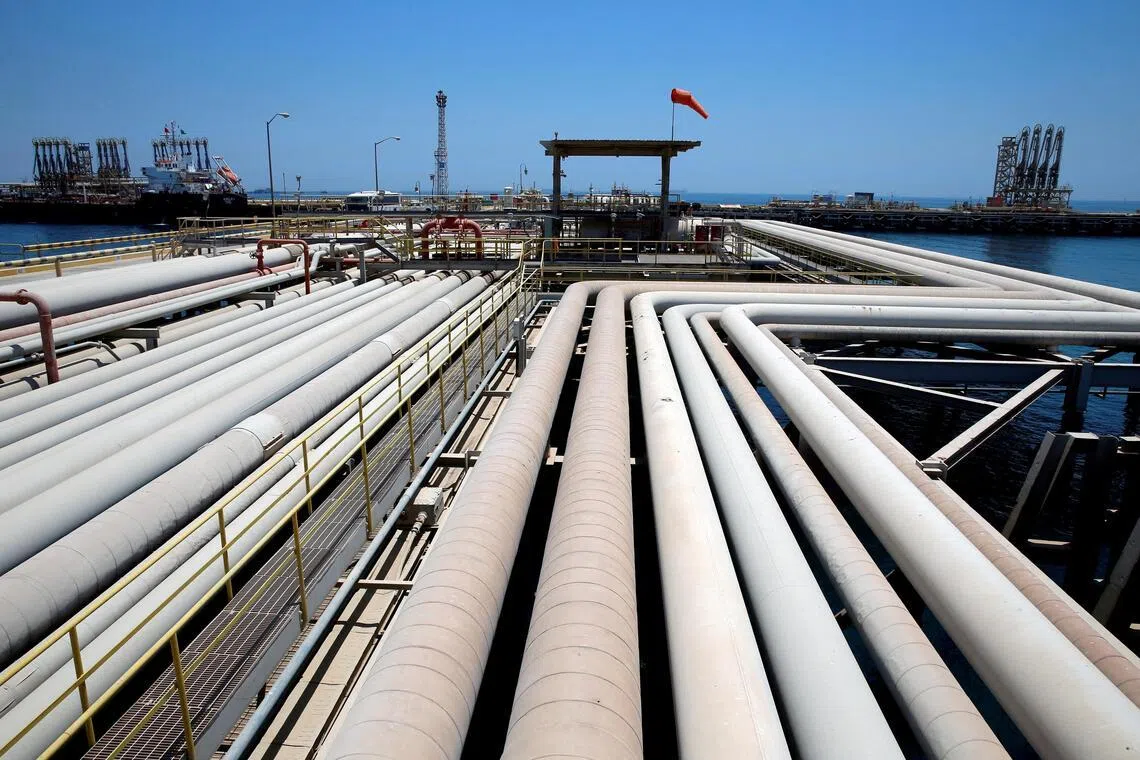
However, Saudi Arabia’s main alternative route of using a pipeline to load tankers in the Red Sea port of Yanbu is under threat as Iran’s Yemeni allies, the Houthis, declared they would blockade Saudi Arabia’s ports.
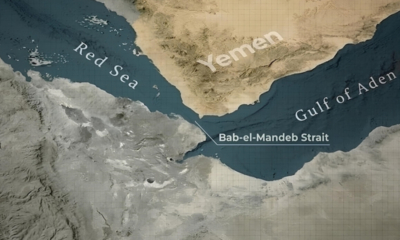
Oil markets have for months feared that the Houthis would return to attacking shipping in the Red Sea and Gulf of Aden – as they did during the Gaza war – cutting off yet more crude from global markets.
The initial market reaction to announcement by the Houthis was restrained, however, as Iran indicated that mediation efforts were still underway, calming investor jitters.
“Threats to the Bab el-Mandeb Strait, which has become increasingly important as a route to bypass the Strait of Hormuz, exacerbate these concerns further,” said Birol, referring to the narrow passage between the Red Sea and Gulf of Aden.
The IEA, in addition to advising its industrialised nation members, also helps them coordinate the release of their strategic oil reserves in reaction to market disruptions.
Birol noted that ongoing government releases from these reserves have provided considerable relief to markets, and that nations continue to hold ample reserves.
However, he warned “there is no room for complacency on oil security” and pointed to a drawdown of available commercial inventories, with low refining activity contributing to a tighter supplies of refined oil products like petrol and diesel than for crude oil.
Birol noted that additional supplies of liquefied natural gas from the United States and Canada have offset about 70 per cent of lost supply via the Strait of Hormuz.
However, further delays in resuming Gulf exports “will be felt by all LNG importers, including Europe as it looks to refill its gas storage for next winter,” he warned. AFP