World
How AI is changing the nature of war and conflict

Published on
As US President Donald Trump flew home from a fractious Nato summit in Turkey, he was poised to resume the war with Iran, whose leaders he labelled “sick” and “scum”. Trump also complained about European leaders’ failure to spend enough on arms, support him in Iran and recognise the need for the US to take control of Greenland. The sense of rising global conflict has been palpable this week.
What clearly showed at the summit of the transatlantic security alliance was confirmed by the latest Global Peace Index, released last month by the Sydney-based Institute for Economics and Peace. The report, which covers 163 economies and has been published every year since 2008, calculates that 119 economies have become less peaceful since 2008, with 103 involved in at least one external conflict over the past five years, and the number of active, state-based conflicts reaching 61 – the highest since the second world war.
More than 181,000 people were killed in conflicts in 2025, with some 117 million displaced. Global military spending reached a record US$2.9 trillion. The report estimates the total economic cost of the violence at US$21.8 trillion, or 10.5 per cent of the global gross domestic product.
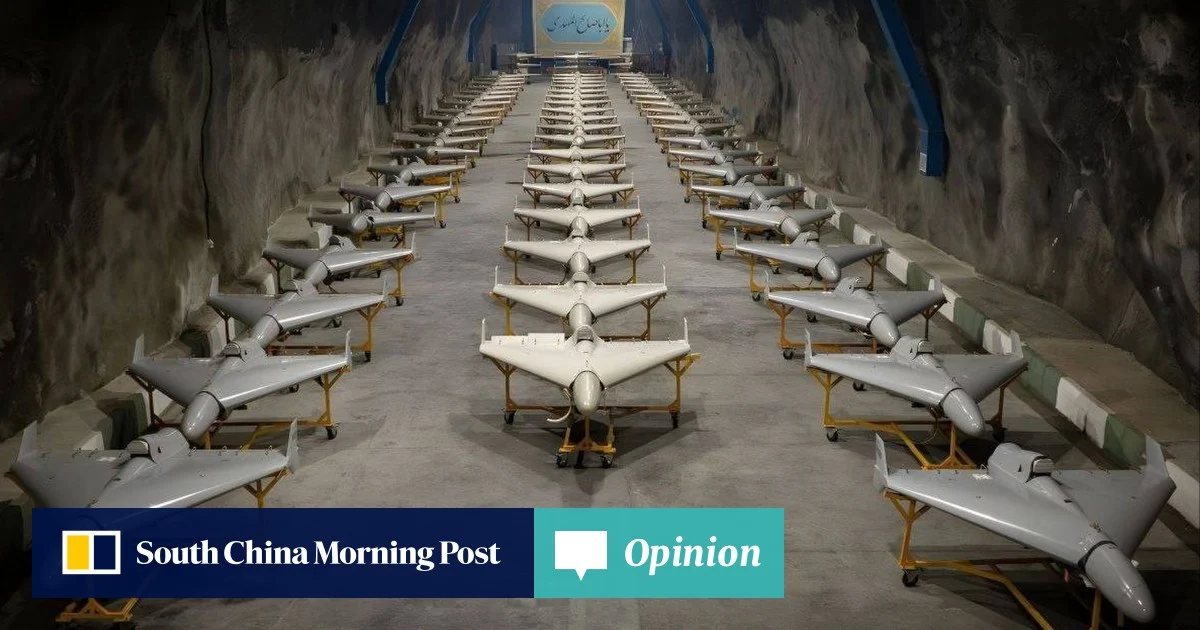
More alarmingly still, the report predicts a steady deterioration in the coming decades, not just because of Trumpian bellicosity and chronic conflict across sub-Saharan Africa, but because of the rapid deployment of artificial intelligence (AI) in shaping how conflicts evolve.
In the chilling language of war, it sees AI “compressing the kill chain, lowering the marginal cost of lethality and concentrating compute and capital in a handful of firms and states”. In short, AI is enabling armies to kill more people more quickly and more cheaply.
While seven of the world’s 10 most peaceful countries are in Europe, much of the increase in worldwide military spending was also in Europe. This seeming paradox is explained by the region’s sharp re-militarisation since Russia’s war in Ukraine and Trump’s pressure on Nato members to lift military spending.