World
Hezbollah leader rejects Lebanon-Israel Framework Agreement, says ‘not a single clause will pass’

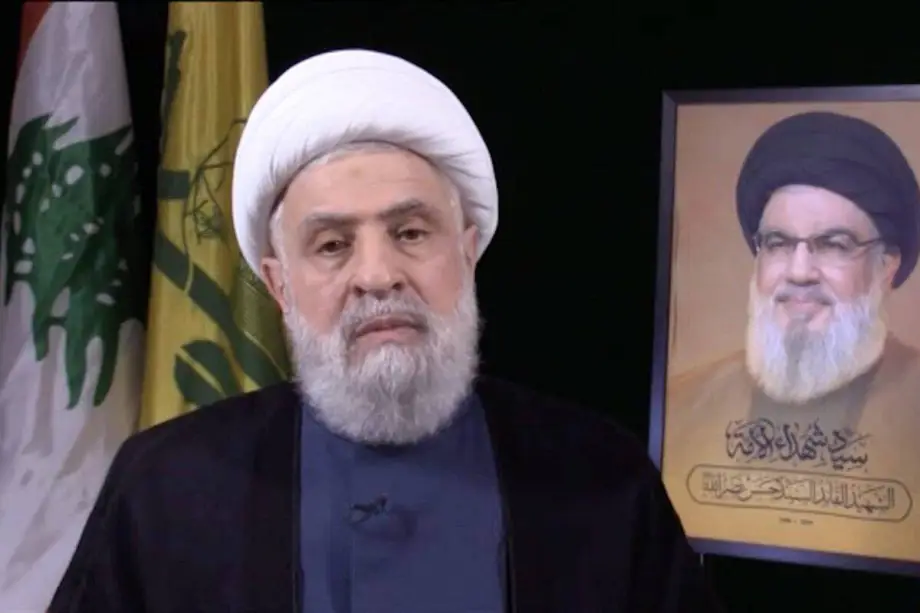
Hezbollah Secretary-General Naim Qassem on Wednesday rejected the framework agreement signed between Lebanon and Israel, declaring that it would not be implemented and urging the Lebanese government to abandon it.
Speaking during a public address held alongside memorial events for Iran’s late Supreme Leader Ayatollah Ali Khamenei, Qassem argued that the agreement serves Israeli interests and lacks legal and national legitimacy.
“Not a single clause of this agreement will pass, and you will be powerless to stop it,” Qassem said, addressing Lebanese authorities.
He credited Hezbollah’s military resilience and Iran’s support with securing the ceasefire in Lebanon, describing them as the two pillars behind what he called the resistance’s achievements.
READ: Lebanon conditions participation in Rome talks on Israeli withdrawal from two areas in the south
Turning to the framework agreement, Qassem argued that it was negotiated in Israel’s favour and accused the United States of facilitating its terms. He criticised the document’s reported use of the term “redeployment” rather than “withdrawal,” claiming it implied continued Israeli control over parts of Lebanese territory.
Qassem also cited continued Israeli military operations in Lebanon, referring to what he described as hundreds of ceasefire violations, including a recent strike in Nabatieh that reportedly killed a school principal, her mother and two employees traveling in a civilian vehicle.
He called on the Lebanese government to withdraw from the agreement, arguing that abandoning it would help preserve national unity rather than deepen political divisions.
“The framework agreement is entirely in Israel’s interest,” he said. “Throw it away and discard it.”
His remarks come as debate continues within Lebanon over the framework agreement and its implications for the country’s security, sovereignty and future relations with Israel.
OPINION: Lebanon’s Faustian bargain: The mirage of the trilateral framework