World
Germany to scale back renewable subsidies amid power grid strain

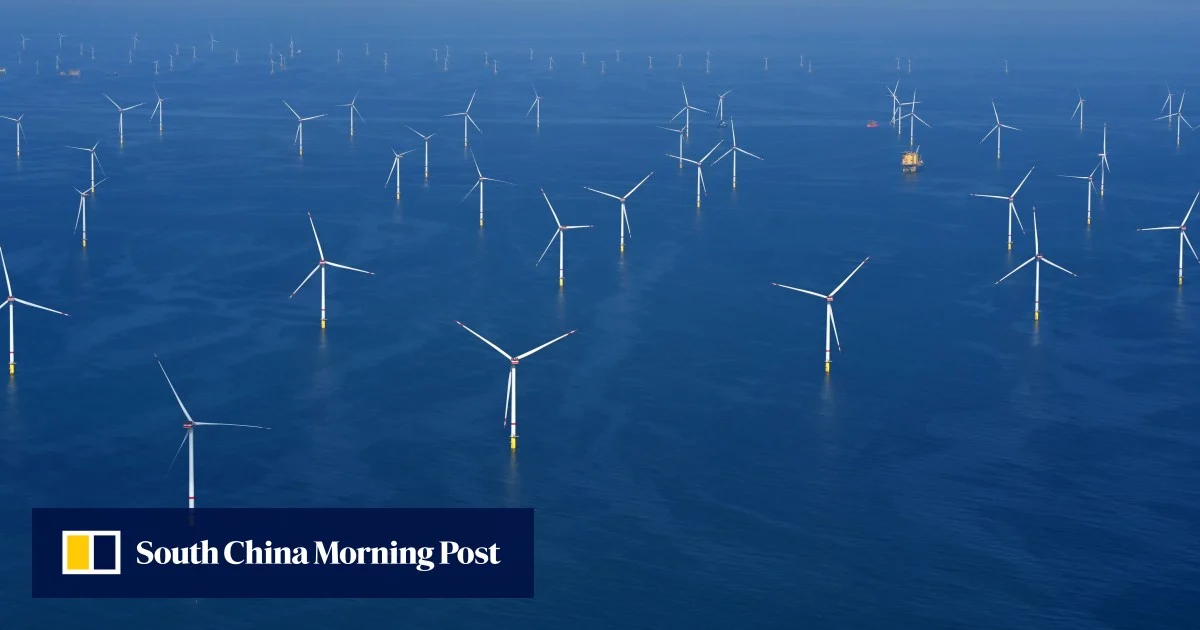
Germany plans to scale back renewable-energy subsidies in a sweeping overhaul of its funding system, as surging solar output puts growing strain on the country’s power grid.
From 2027, new renewable generators should receive support “in a way that benefits both the market and the system,” according to a draft law published by the Economy Ministry late on Friday. That means rewarding projects that respond more closely to electricity demand and do not worsen grid congestion.
Fixed feed-in tariffs for new installations would be gradually phased out under the proposal.
The changes could slow investment in onshore wind and solar projects, where developers already face higher costs and falling revenues as power prices increasingly turn negative. Still, the ministry is sticking to its target of raising renewables’ share of Germany’s gross electricity consumption to 80 per cent from about 58 per cent by 2030, and plans additional auctions for wind capacity.
Germany’s feed-in tariffs, generally granted for 20 years, and recent efforts to cut red tape have helped renewable capacity expand at a record pace. But power lines have failed to keep pace, creating bottlenecks and forcing operators to temporarily curtail generation. Producers can claim compensation for the lost output.
The state is expected to spend about €16 billion (US$18.3 billion) on renewable support this year, fuelling criticism as Chancellor Friedrich Merz’s government seeks to rein in spending, including on pensions and healthcare. Additional payments for curtailed generation of as much as €3 billion (US$3.4 billion) have also drawn criticism.