Special Report
“FG’ll continue to provide direction for states” – VP Shettima assures

The Federal Government has assured that it will continue providing strategic direction to sub-national governments to drive tourism development and broader economic growth across Nigeria.
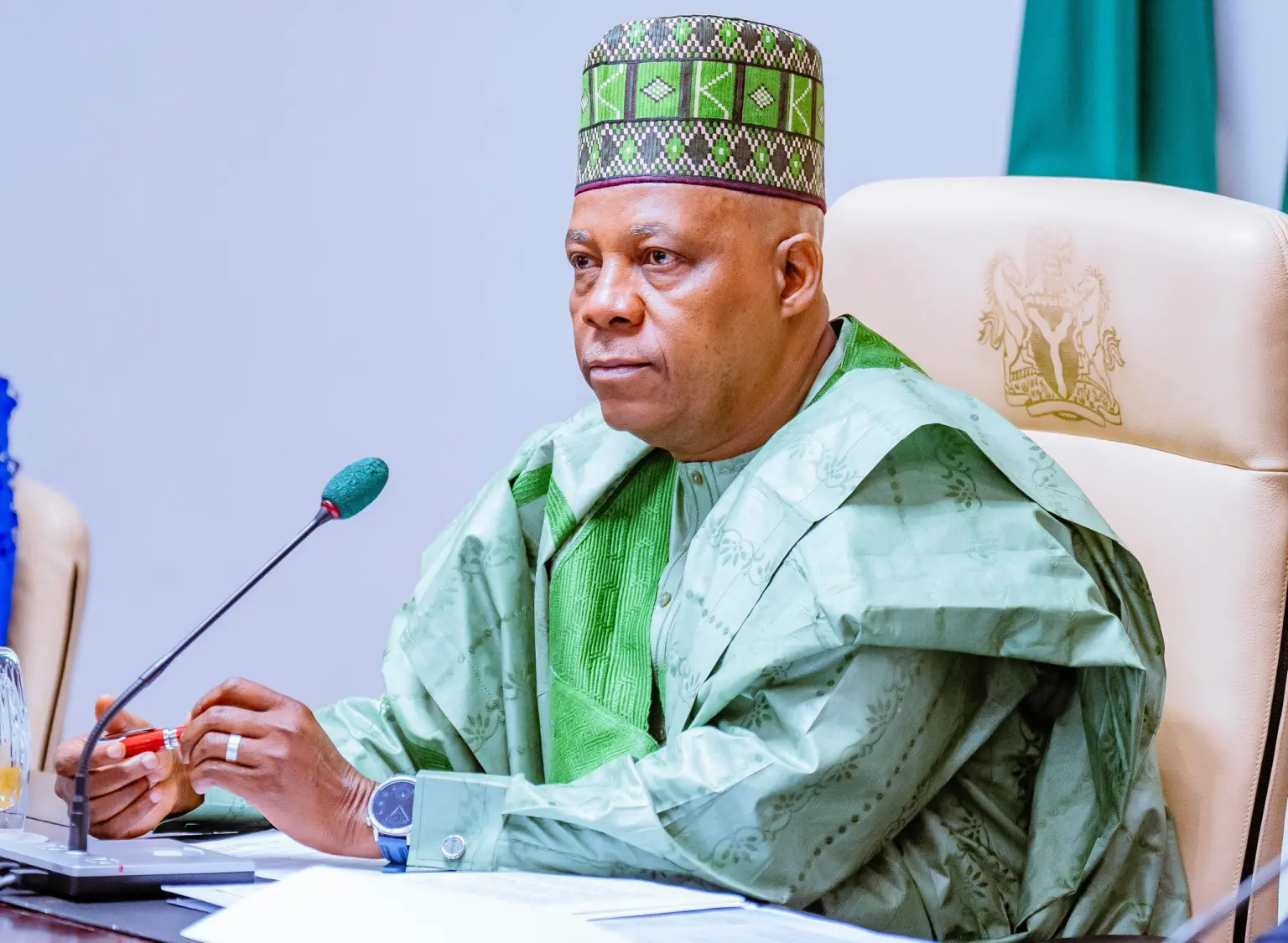
Vice President Kashim Shettima gave the assurance on Wednesday, June 17, 2026, at the Sub-National Government Economic and Tourism Information Roundtable and the launch of the National Compendium on the Economic and Tourism Profiles of the 36 States and the Federal Capital Territory.
Shettima, represented by Tope Fasua, Special Adviser to President Bola Tinubu on Economic Matters (Office of the Vice President), emphasised that Nigeria’s next phase of economic expansion would depend largely on the capacity of states to properly document their assets, attract investments, develop tourism, and translate local potential into jobs and shared prosperity.
He urged all state governments to move beyond documentation to actual implementation in unlocking the country’s economic potential.
“Nigeria is rich in assets, rich in talent, rich in culture, rich in enterprise and rich in natural endowments. What we must do is organise these assets, document them properly, present them credibly, and connect them to capital, markets, technology and investors,” Shettima said.
The Vice President described the new compendium as a major national tool for investment promotion, economic planning, and tourism development.
He noted that it aligns with the Renewed Hope Agenda by placing states at the centre of Nigeria’s growth strategy.
He further characterised the document as a national investment prospectus, a tourism guide, an economic intelligence resource, and a branding instrument for telling Nigeria’s story in a more structured and compelling manner.
Shettima stressed that the real policy challenge is to move beyond merely identifying potential to building practical investment pipelines capable of creating jobs.
“The Federal Government provides direction, policy, infrastructure and diplomatic engagement, but the real engines of inclusive growth are the states.
“The states are where land sits, where agricultural clusters form, where tourism assets are situated, where young people seek jobs, and where investors must establish factories, farms, hotels and service businesses,” he said.