World
Democrats revolt over Trump’s Iran War and block $1.15 trillion defense bill

Senate Democrats derailed a key $1.15 trillion defense bill Wednesday, accusing President Donald Trump of dragging the United States into war with Iran without congressional approval and refusing to give him what they called a blank check for the conflict.
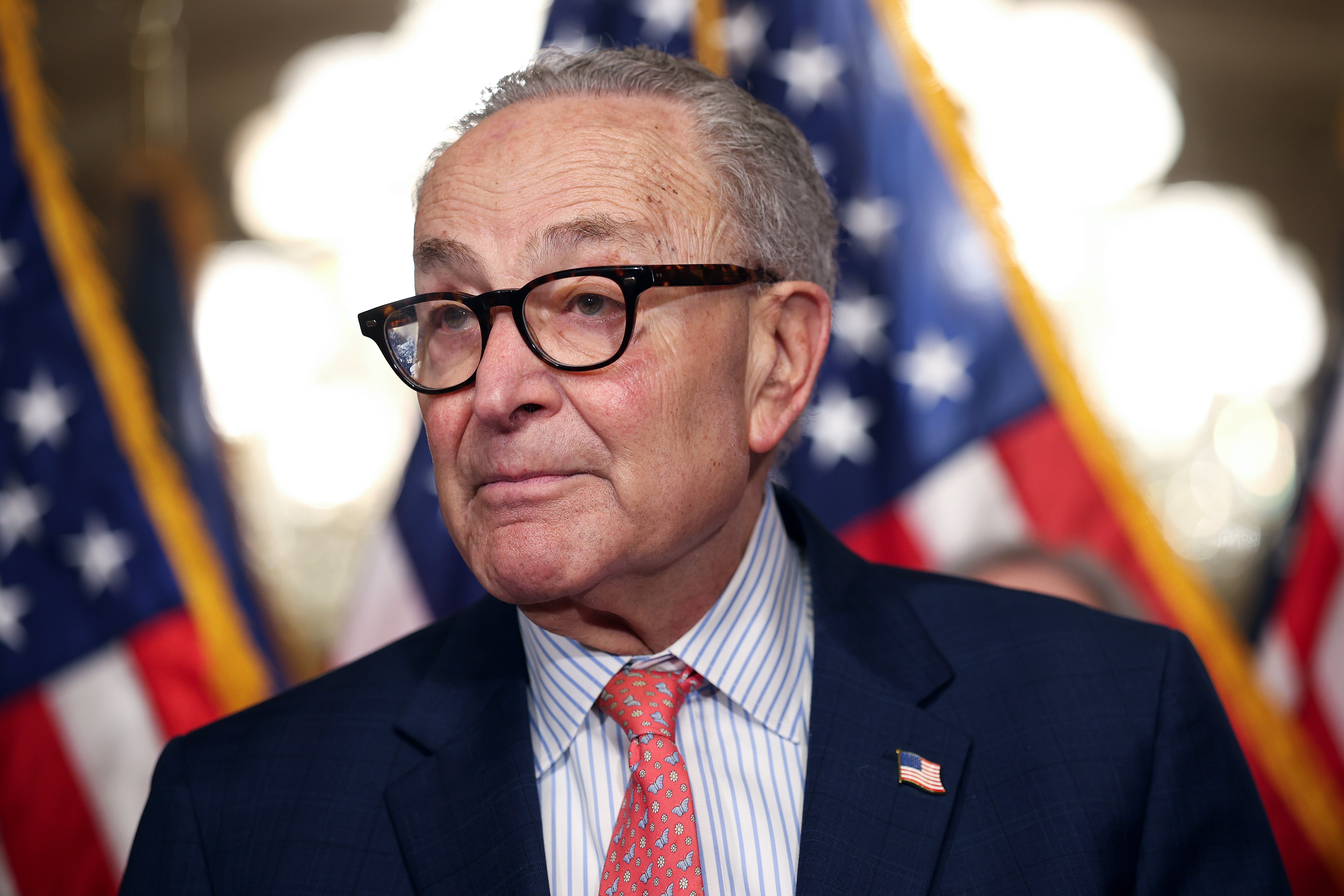
“Trump started this war without authorization, without a strategy, and without an exit,” Senate Democratic Leader Chuck Schumer said as he urged colleagues to block the annual National Defense Authorization Act.
The procedural vote failed 50-46, falling short of the 60 votes needed to advance in the Senate. All Democrats opposed moving forward, while every Republican voted yes except Majority Leader John Thune, who voted no for procedural reasons to bring the bill back for another vote.
The defeat marks a rare setback for the NDAA, legislation that has traditionally attracted broad bipartisan support and has been passed every year for more than 60 years.
Democrats argued that approving the massive Pentagon budget now would amount to endorsing Trump’s handling of the war with Iran, which began after U.S. and Israeli strikes on Feb. 28.
The vote came as the Trump administration announced a renewed naval blockade of Iranian ports and launched another round of military strikes, further escalating the conflict.
Democrats also blasted Trump’s push to increase total military spending to $1.5 trillion while domestic programs face cuts.
The NDAA authorizes $1.15 trillion in defense spending, but Trump is also seeking another $350 billion through the budget reconciliation process, allowing Republicans to bypass Democratic votes if they have enough support.
Thune accused Democrats of putting politics ahead of national security.
“It’s the bill that helps ensure our military is ready today and prepared for tomorrow,” he said.
The legislation funds everything from troop pay raises and weapons programs to new ships, aircraft and missile systems, while setting Pentagon priorities for the coming year.
The bill is far from dead. The House and Senate must still pass separate versions before negotiators reconcile the two measures into a final package that would return to both chambers before heading to Trump’s desk.