Viral
BREAKING: FG Unveils Digital TV Platform With 100 Free Channels

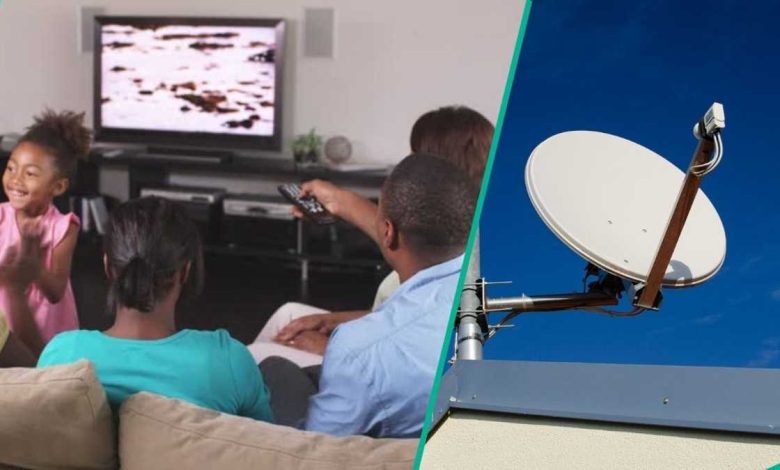
The Federal Government is set to unveil a new digital television platform that will provide Nigerians with access to 100 free-to-air television channels, marking a significant step in the country’s long-delayed transition from analogue to digital broadcasting.
The platform, scheduled for launch on Wednesday, forms part of renewed efforts to accelerate the implementation of Nigeria’s Digital Switch Over (DSO) programme, an initiative designed to modernise the broadcasting sector and align the country with global digital broadcasting standards.
The latest development follows a high-level stakeholders’ meeting convened by the National Broadcasting Commission (NBC) in Abuja, where industry leaders and key players gathered to discuss strategies for advancing the digital migration project.
Participants at the meeting included broadcasting regulators, television station operators, signal distributors, satellite service providers, set-top box manufacturers, technology firms, content producers and other stakeholders within the media ecosystem.
Speaking during the meeting, the Minister of Information and National Orientation, Mohammed Idris, reaffirmed the Federal Government’s commitment to ensuring the successful rollout of the digital broadcasting programme.
According to the minister, the benefits of the Digital Switch Over project extend far beyond improved picture quality and expanded channel options. He said the initiative has the potential to stimulate economic growth, attract investment, create employment opportunities and strengthen Nigeria’s creative and entertainment industries.
Idris noted that increased digital broadcasting capacity would provide more platforms for local content creators, filmmakers, producers and media entrepreneurs to showcase their work and reach wider audiences.
“The success of the DSO will not be measured simply by the deployment of digital infrastructure. It will be measured by the jobs created, businesses supported, local content produced, investments attracted, and the opportunities opened for future generations of Nigerians,” the minister stated.
At the conclusion of the stakeholders’ deliberations, participants agreed to adopt a hybrid broadcasting framework that integrates Digital Terrestrial Television (DTT), Direct-to-Home (DTH) satellite broadcasting and digital application-based platforms.
Industry experts at the meeting emphasized that Digital Terrestrial Television remains a critical component of Nigeria’s broadcasting future and should continue to occupy a central position in the country’s digital migration strategy.
To facilitate the implementation of the new framework, stakeholders approved the reconstitution of the Digital Implementation Team, popularly known as DigiTeam.
The committee is expected to oversee the execution of key decisions, coordinate activities among stakeholders and monitor progress toward achieving the country’s digital broadcasting objectives.
Participants also pledged their support for policies aimed at promoting local manufacturing, encouraging indigenous technology development and increasing the production and distribution of Nigerian content across digital platforms.
The stakeholders further urged the NBC to protect investments already made by set-top box manufacturers and other operators who have committed resources to the DSO project over the years.
In addition, the commission was encouraged to intensify engagement with industry participants in order to address regulatory, technical and operational challenges that may hinder the successful implementation of the programme.
Nigeria’s Digital Switch Over initiative was originally introduced to improve broadcasting quality, expand access to television services, free up valuable spectrum resources and create new opportunities within the media and entertainment sector.
However, despite multiple launch dates and policy commitments over the years, the project has experienced repeated delays due to funding constraints, infrastructure gaps, regulatory concerns and implementation challenges.
With the introduction of the new digital television platform and the adoption of a fresh implementation strategy, the Federal Government is optimistic that the transition from analogue to digital broadcasting will finally gather momentum and deliver long-awaited benefits to consumers, broadcasters and the broader economy.
If successfully implemented, the initiative could significantly transform Nigeria’s broadcasting landscape by expanding viewer choices, improving content quality and opening new opportunities for innovation and investment in the media sector.