Trends
Bishop Onuoha Urges Media Practitioners To Harness AI Responsibly For Nation Building | VIDEO

Founder and President of Vision Africa International, Bishop Sunday Ndukwo Onuoha, has called on media practitioners, policymakers, and leaders to embrace Artificial Intelligence (AI) and emerging technologies as tools for national development while preserving human values, ethics, and responsibility.
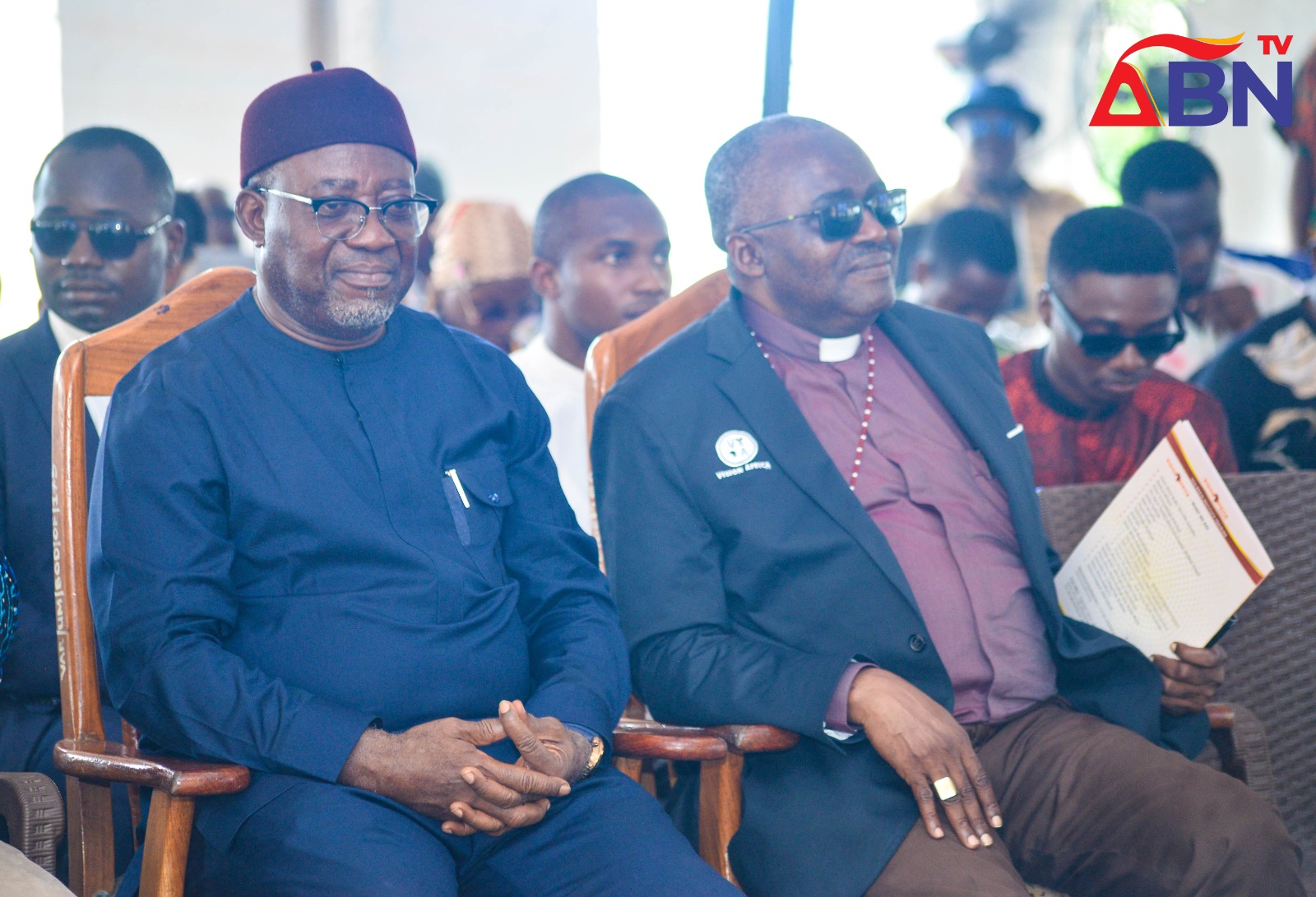
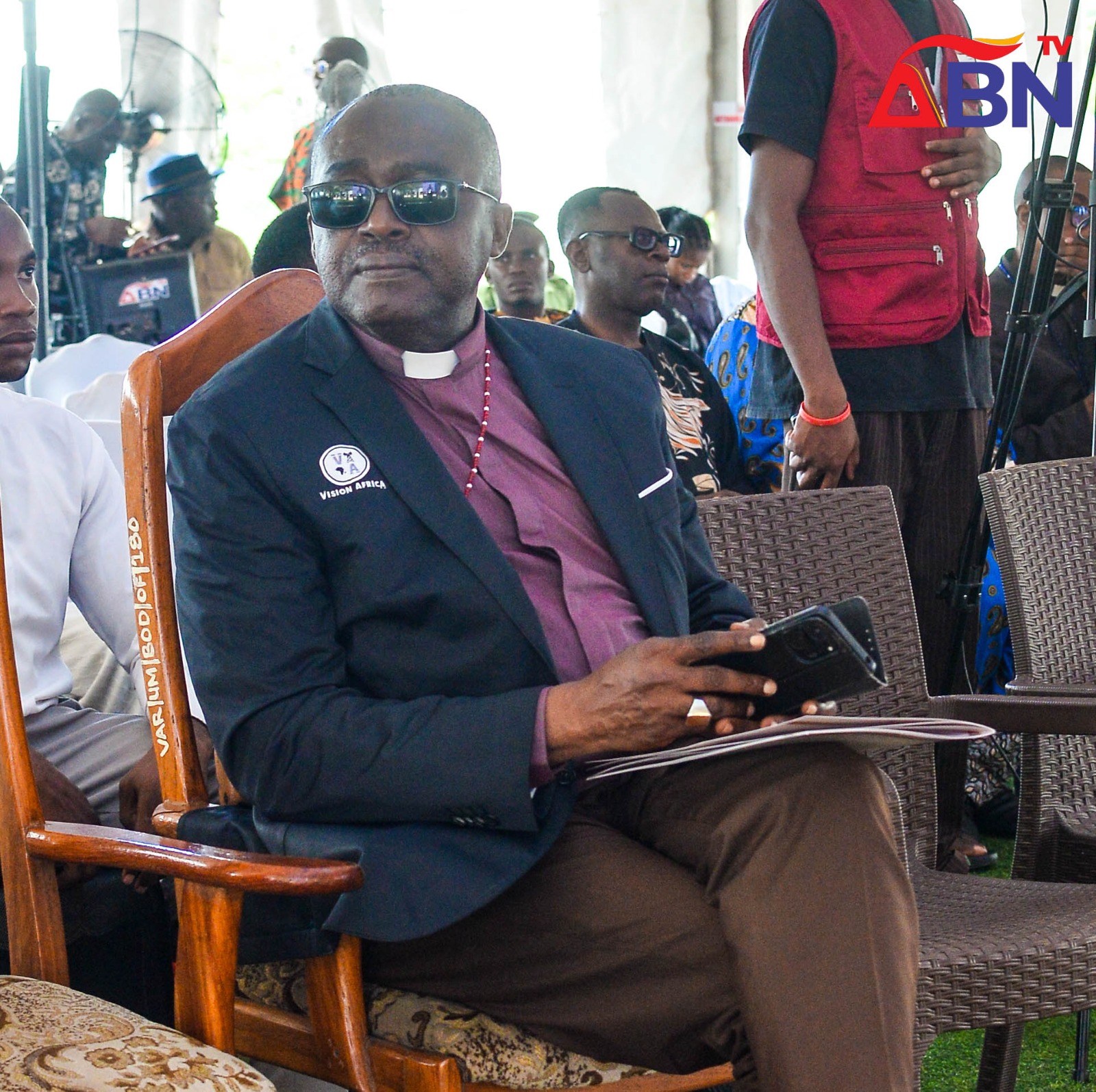
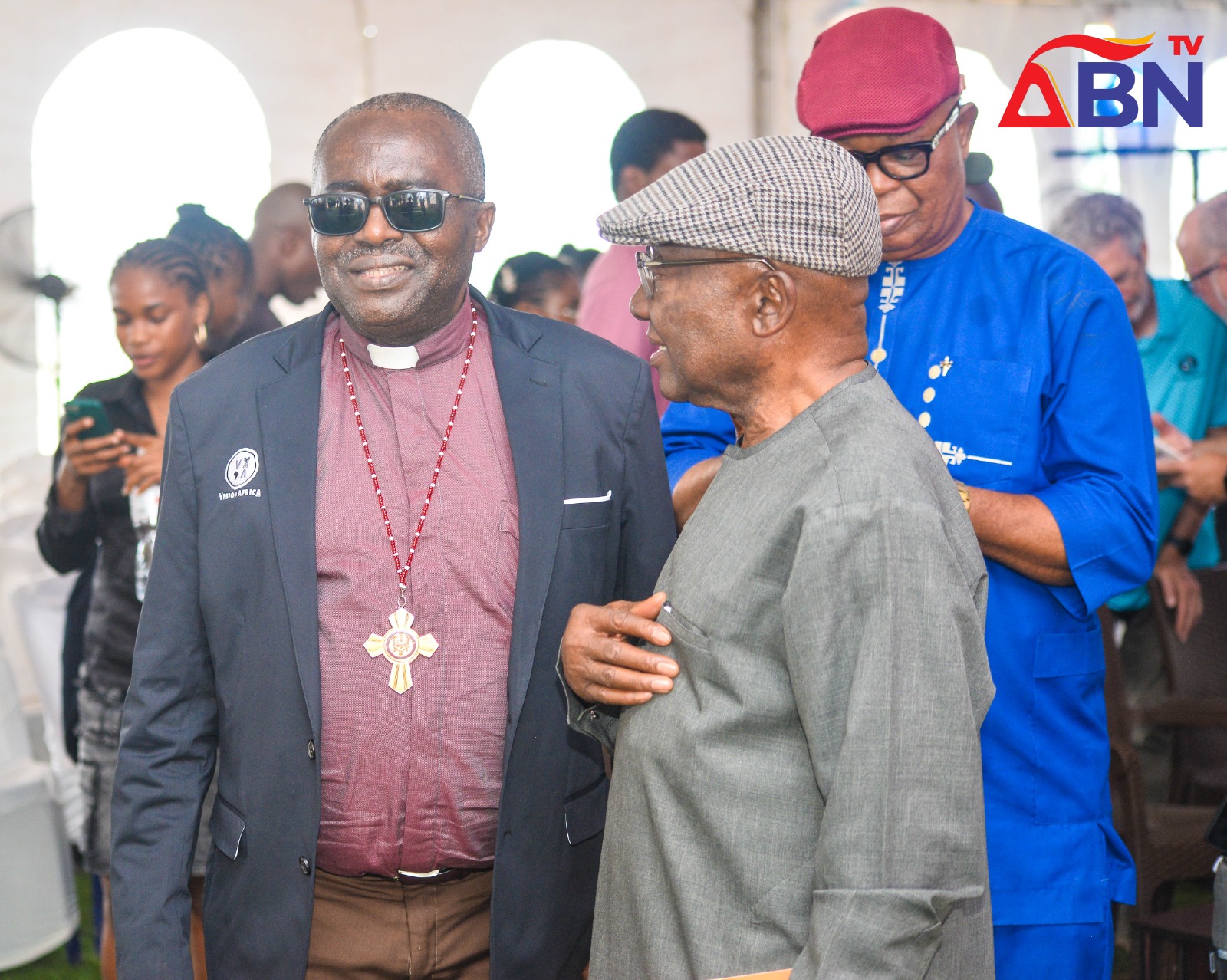
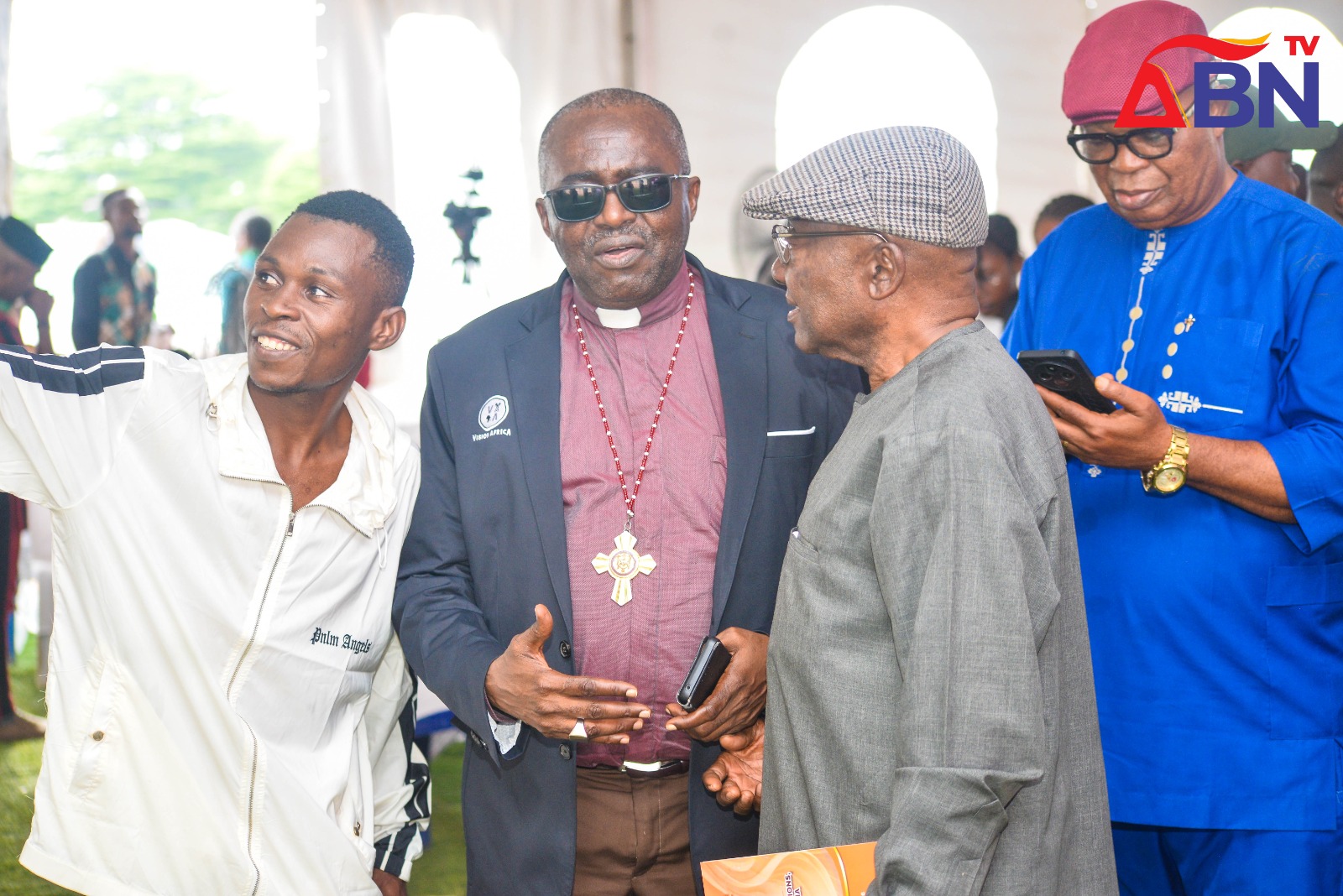
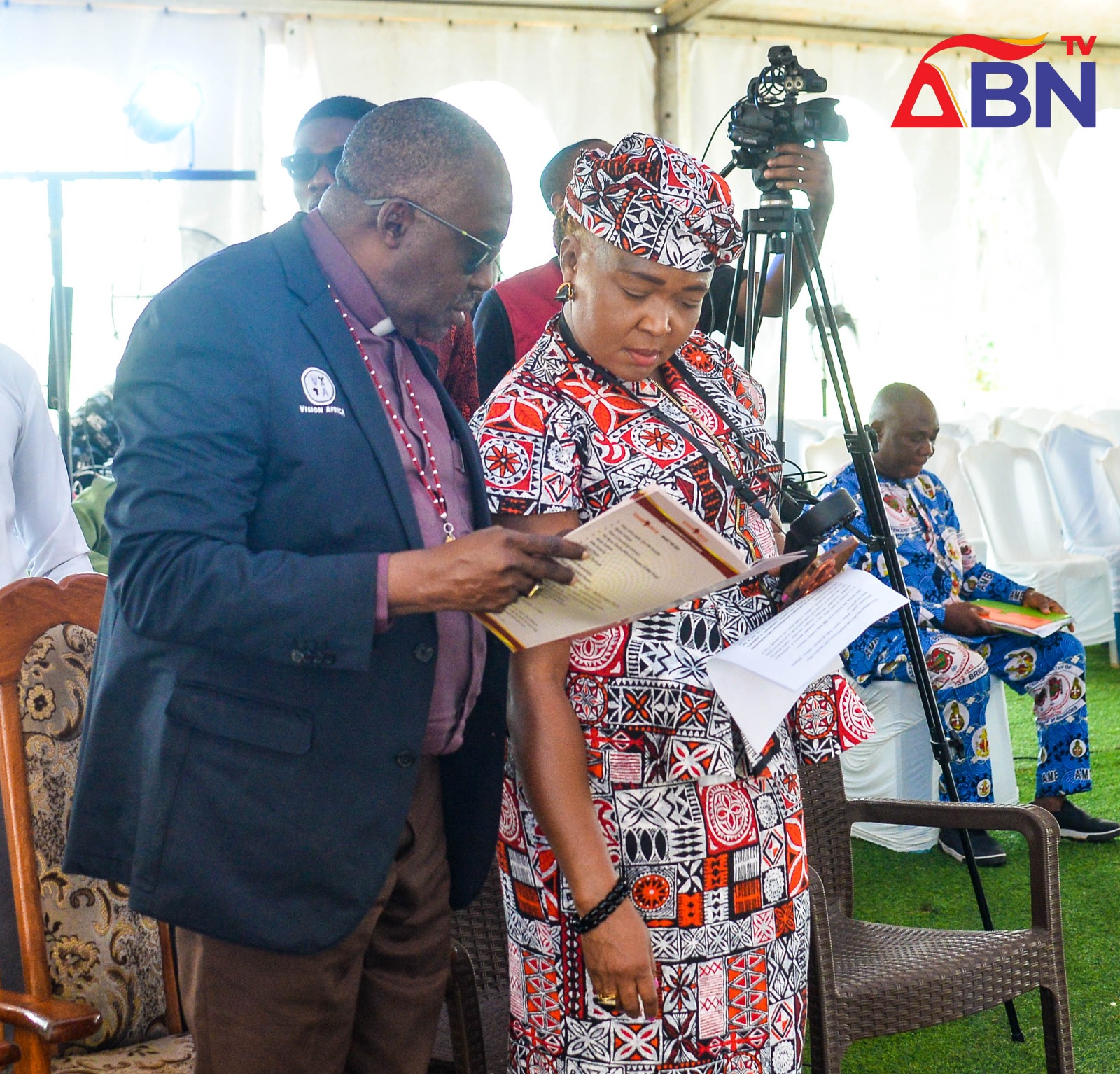
Bishop Onuoha made the call during his opening address at the 13th Edition of the Vision Africa Media Institute Training held in Umuahia, Abia State, with the theme: “Inspiring Nations, Organizations and People Through Media in the Age of AI.”
Addressing participants from Nigeria, other African countries, and the United States, the cleric described the current era as one of the most transformative periods in human history, driven by rapid technological advancement and the growing influence of Artificial Intelligence.
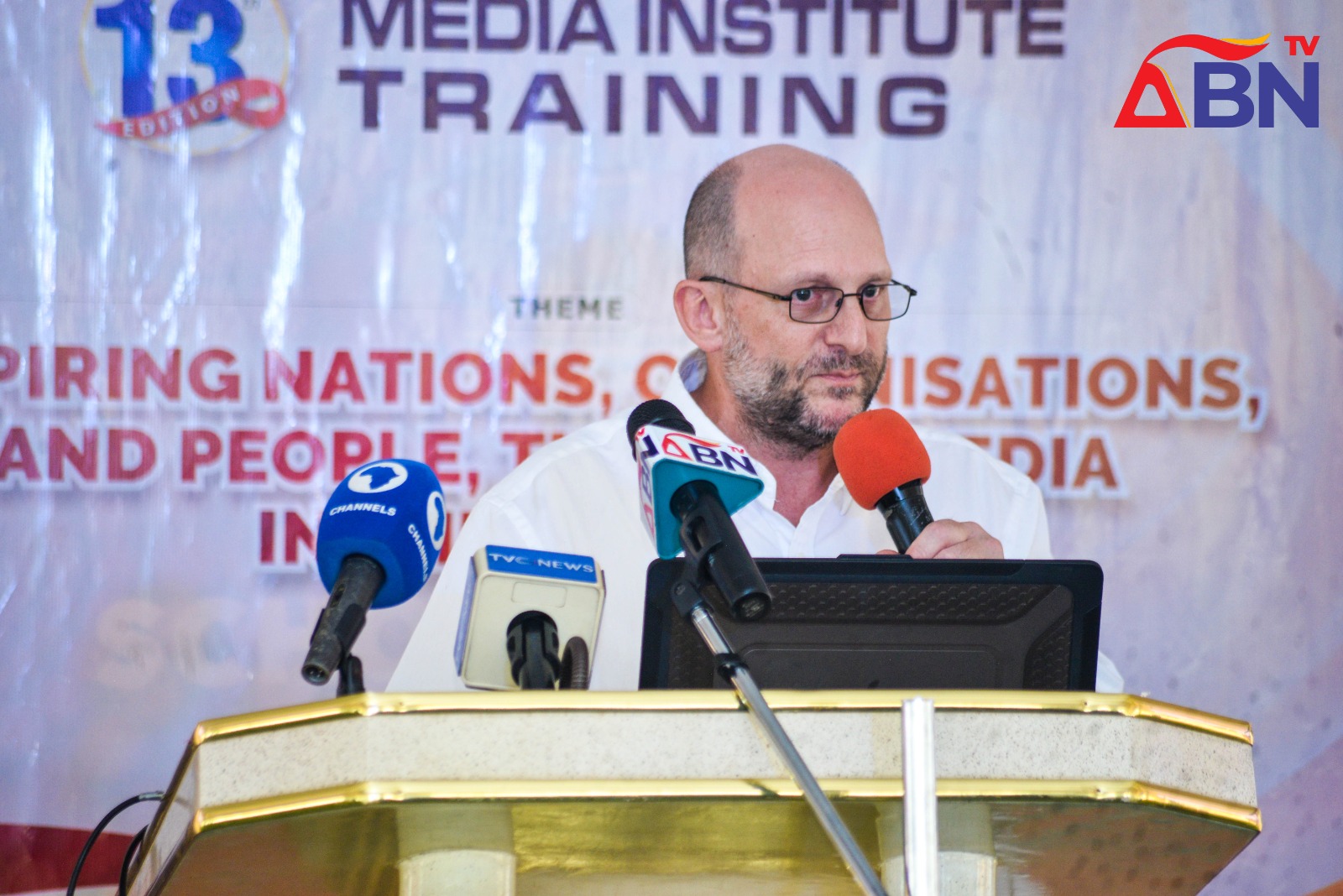
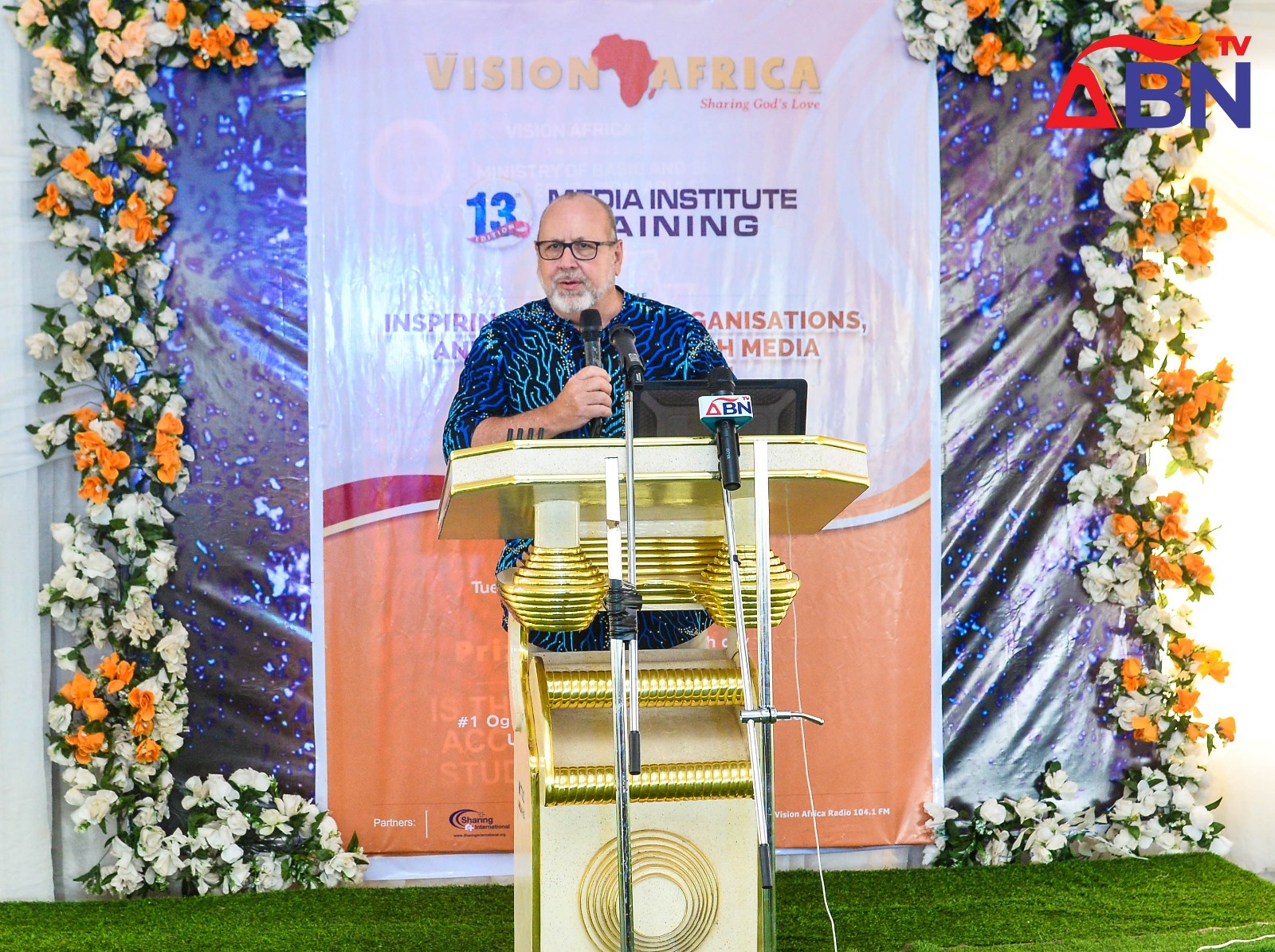
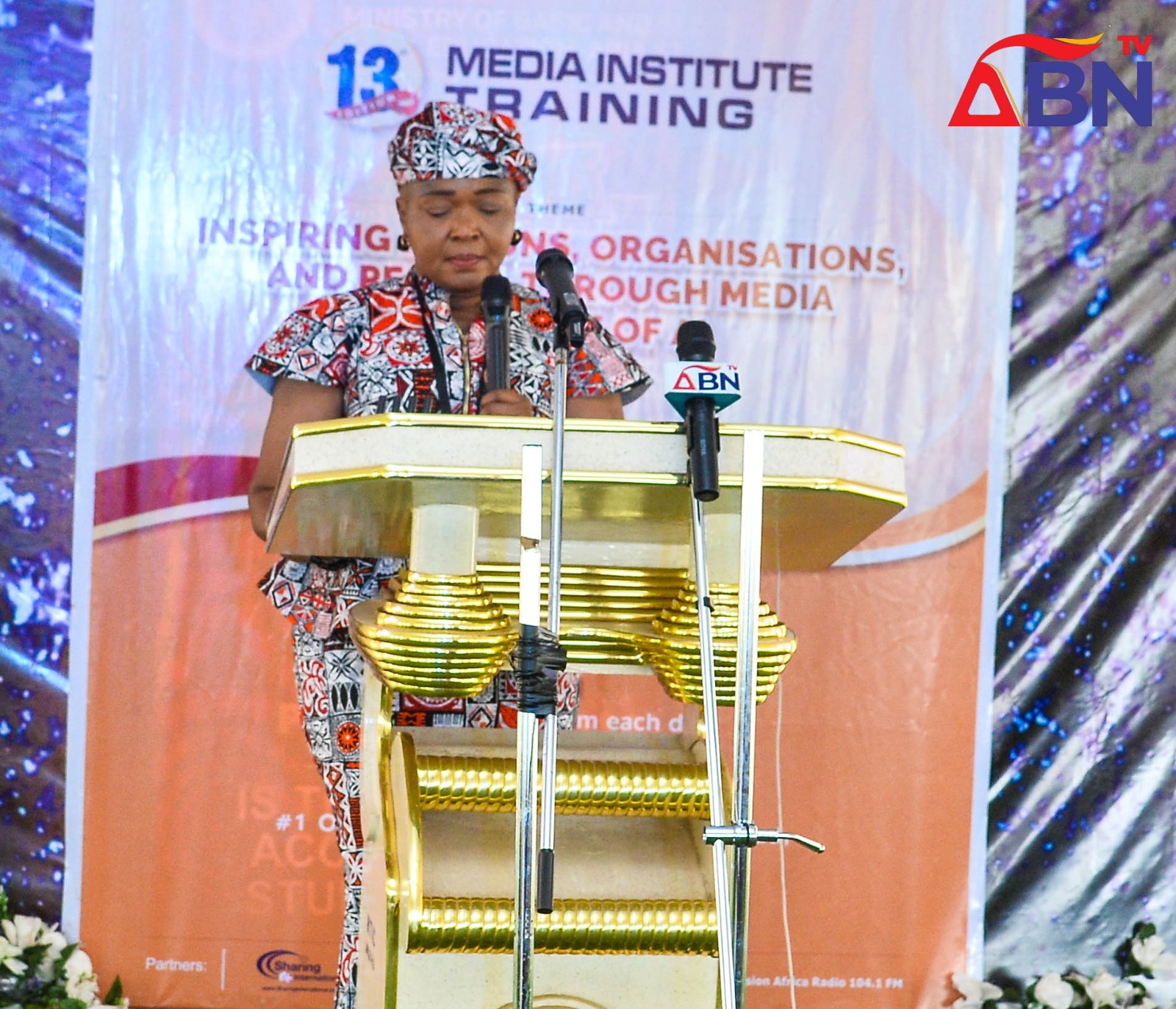
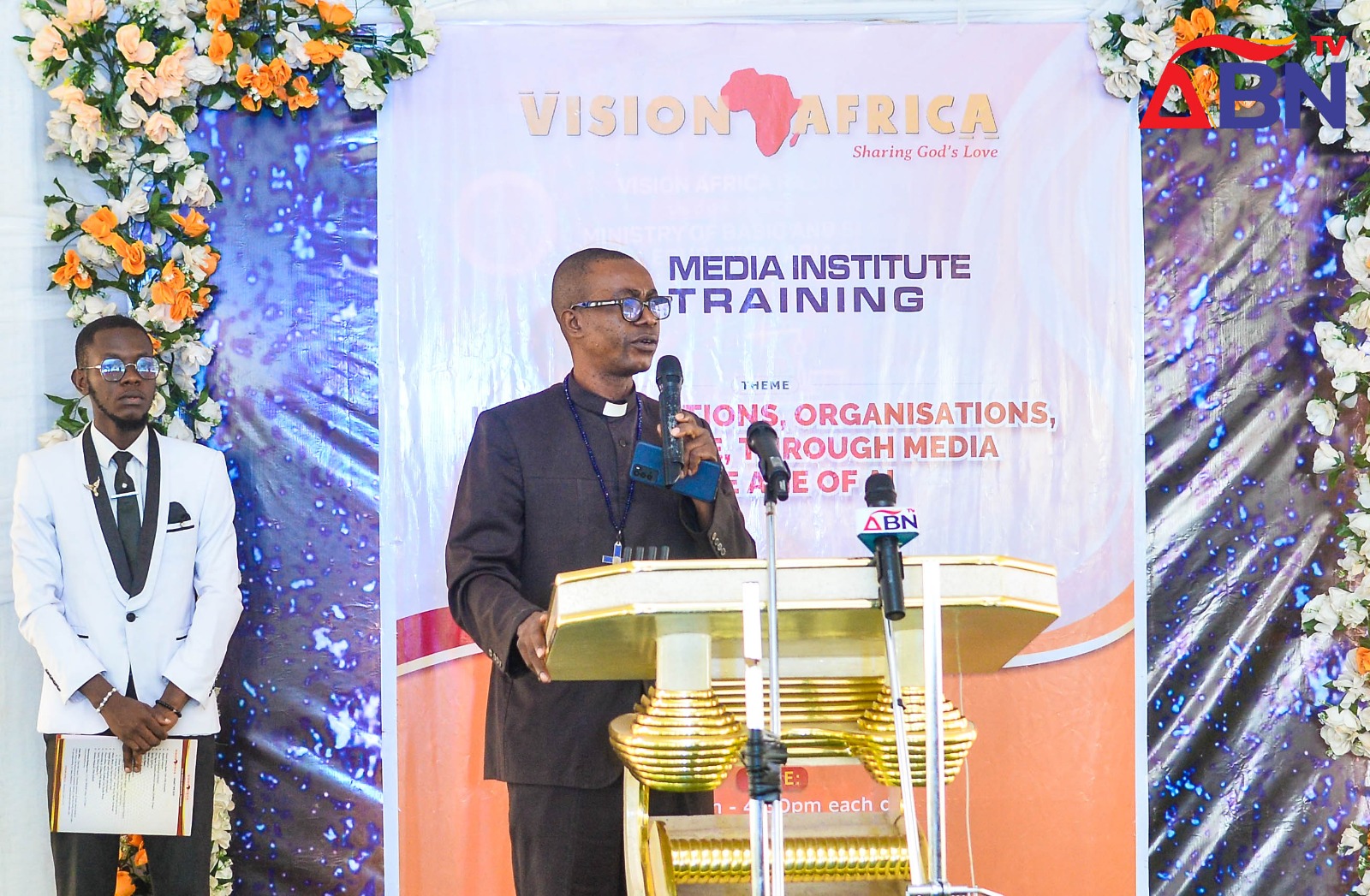
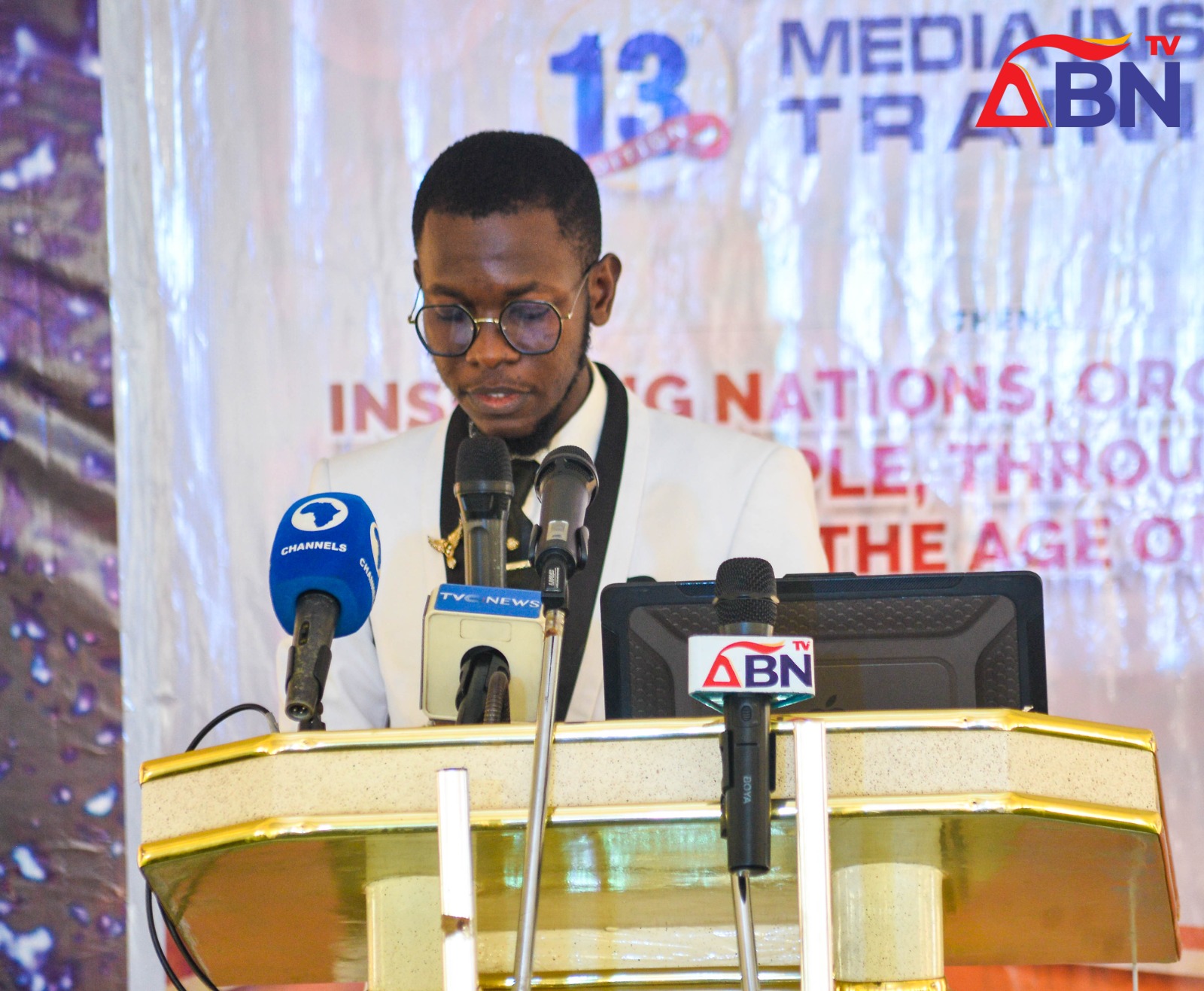
According to him, societies, organizations, and individuals that fail to adapt to emerging technologies risk becoming obsolete, stressing that AI is no longer a futuristic concept but a present-day reality influencing governance, education, healthcare, agriculture, finance, and media practice worldwide.
“History teaches us that societies that resist change often find themselves overtaken by those who embrace it. The printing press changed civilization, radio transformed communication, television reshaped culture, the internet connected the world, and today AI presents another significant chapter in human society,” he said.
While acknowledging concerns over job displacement and workplace disruptions caused by AI, Bishop Onuoha maintained that there are uniquely human qualities that technology cannot replicate.
“AI can process information, but it cannot genuinely feel compassion. It can generate content, but it cannot express empathy. It can analyze data, but it cannot build authentic human relationships. The future belongs to those who combine technological innovation with human wisdom,“ he stated.
The Vision Africa founder emphasized the enormous influence of the media in shaping public perception, social behaviour, and national development, warning that media platforms can either inspire hope or spread fear, unite communities or deepen divisions.
He urged media professionals to move beyond criticism and focus on solution-driven journalism capable of addressing societal challenges such as poverty, unemployment, insecurity, misinformation, social fragmentation, and declining trust in institutions.
“We must tell stories that inspire innovation rather than hopelessness. We must amplify voices that promote peace rather than conflict. We must showcase opportunities rather than focusing exclusively on obstacles. People are not only looking for information; they are looking for direction and hope,“ he said.
Bishop Onuoha further challenged participants to explore how AI and media can be deployed to improve education, strengthen social cohesion, create jobs, enhance healthcare delivery, empower young people, and promote national unity.
He stressed that the relationship between humanity, media, and artificial intelligence must be guided by moral, social, and spiritual considerations, warning that technological tools must never become masters over humanity.
“Let us embrace innovation without abandoning our values. Let us welcome technology without losing our shared humanity. AI should not replace our humanity; it should enhance our ability to serve humanity,“ he added.
The cleric commended the administration of Governor Alex Otti for creating a conducive environment for development in Abia State and appreciated participants, speakers, and partners who travelled from different parts of Africa and the United States for the training.
He expressed confidence that the annual media institute would continue to inspire media professionals to use emerging technologies and communication platforms to promote truth, hope, development, and human dignity.
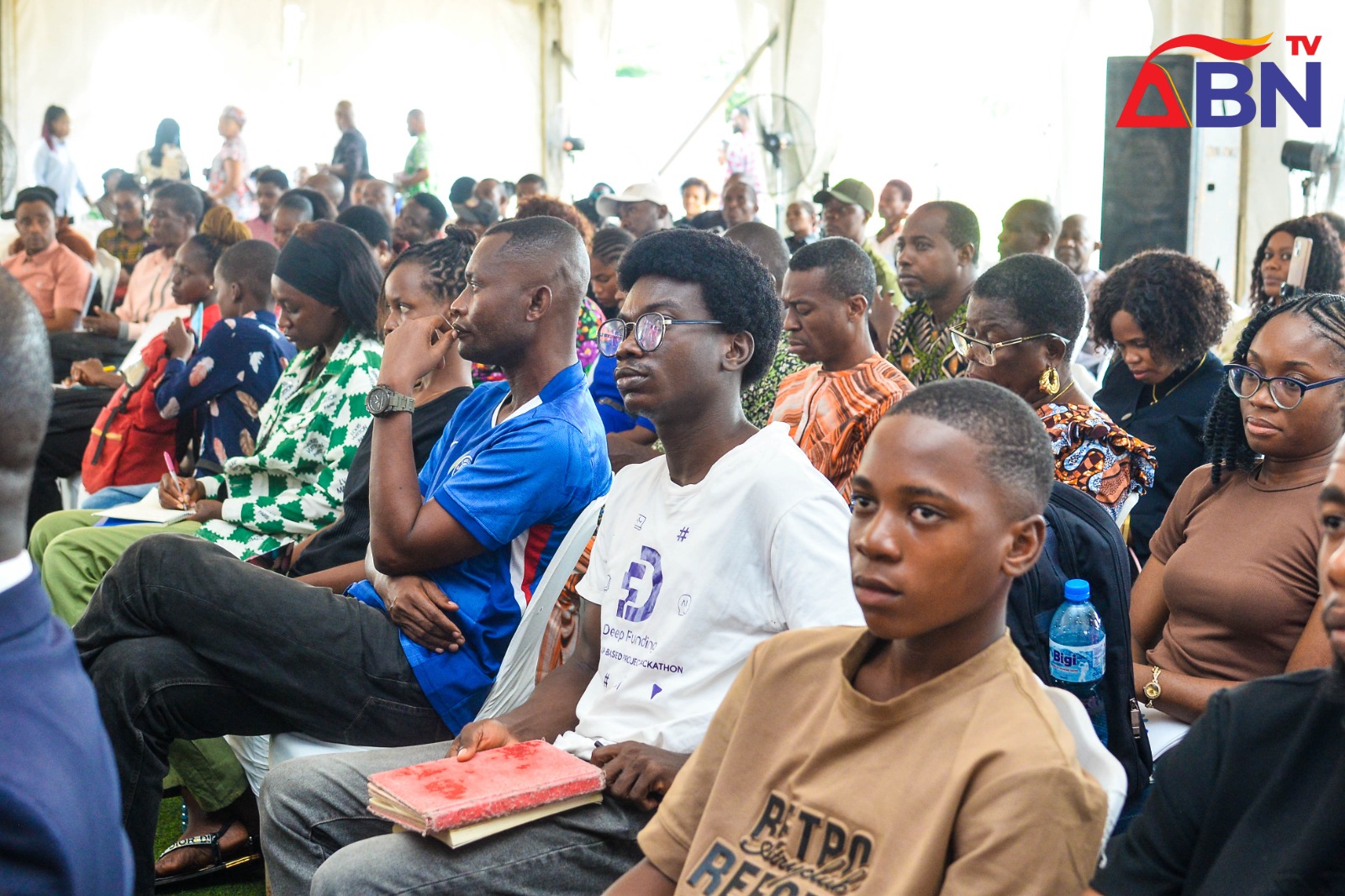
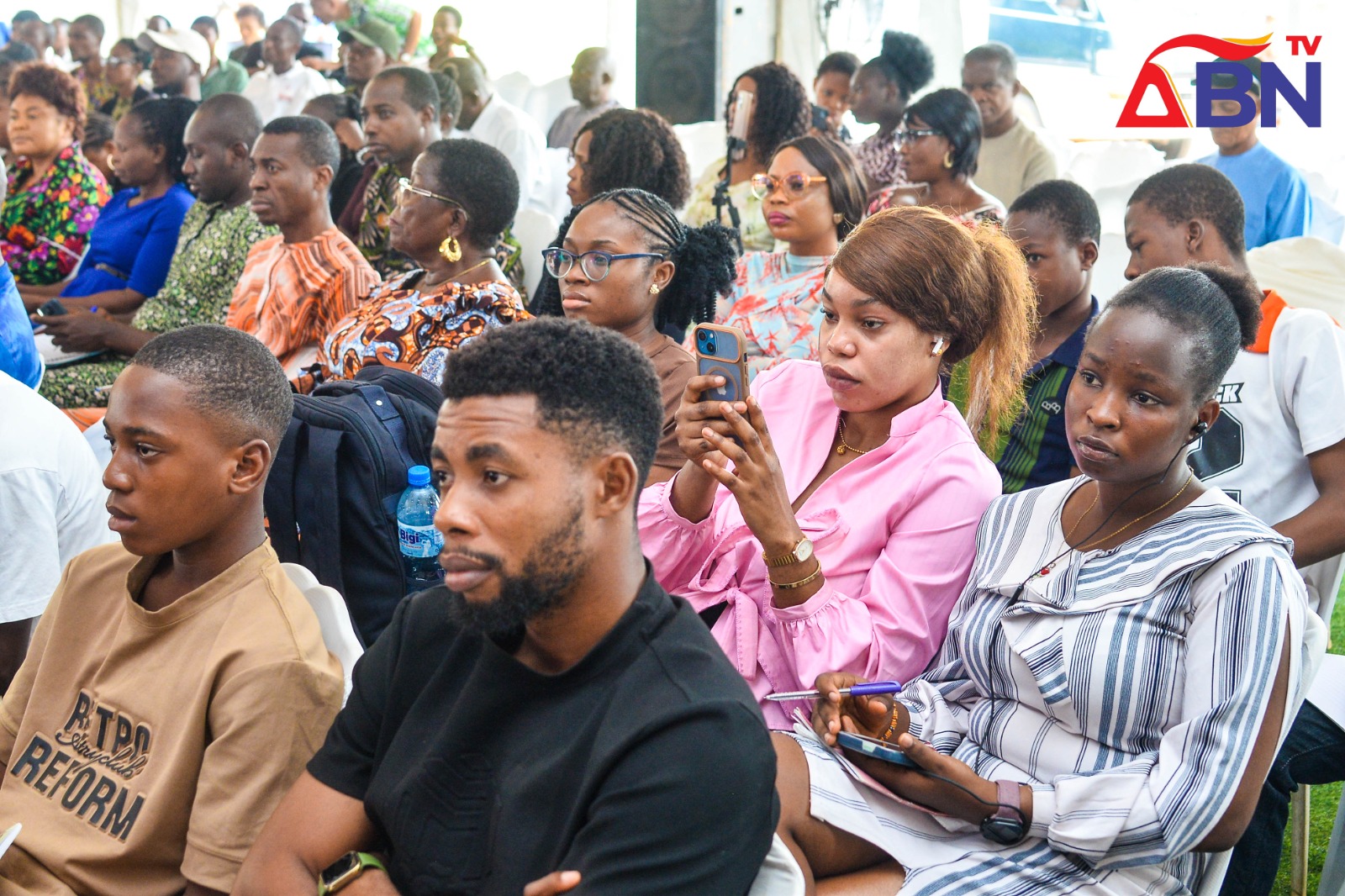
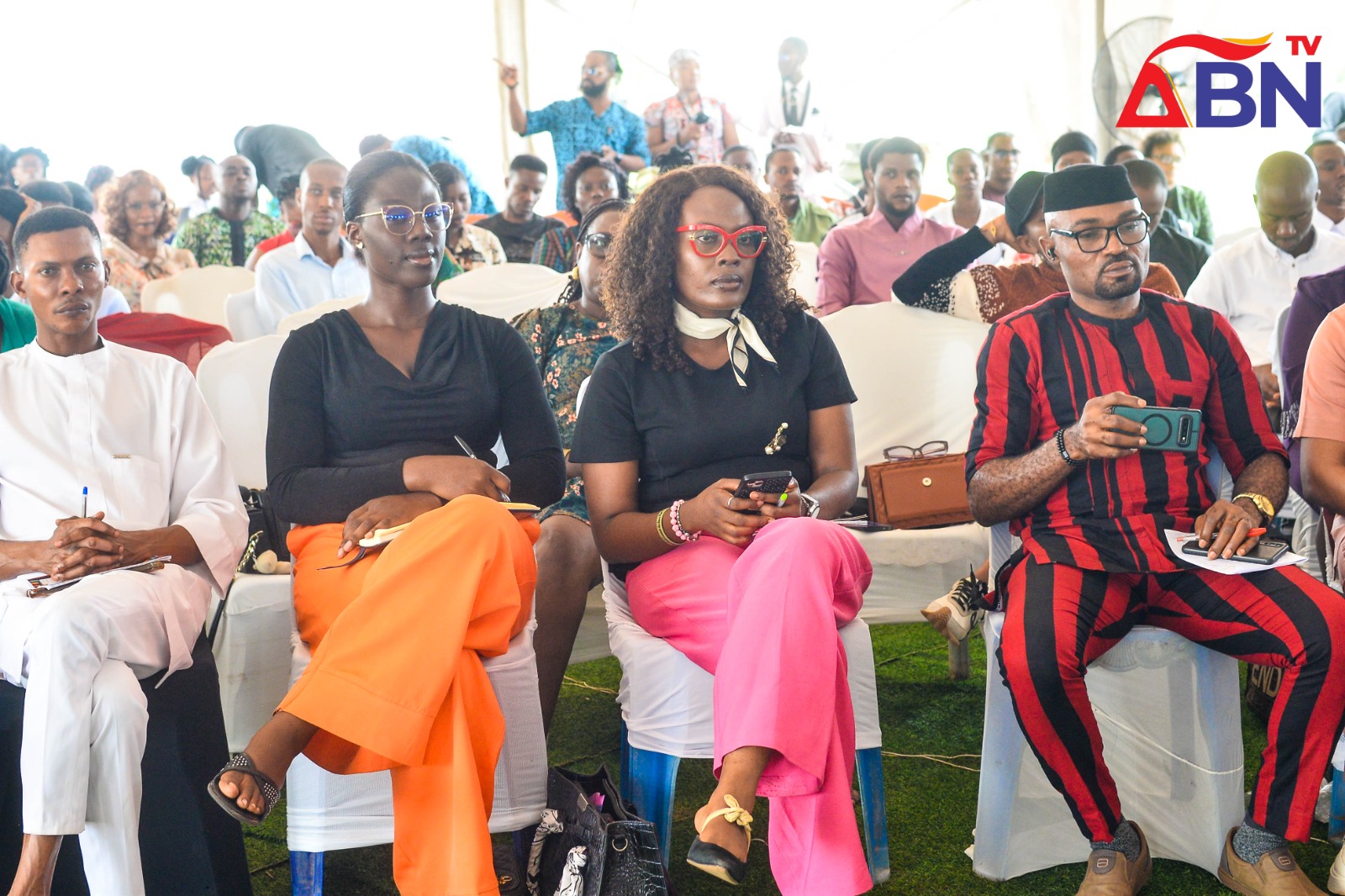
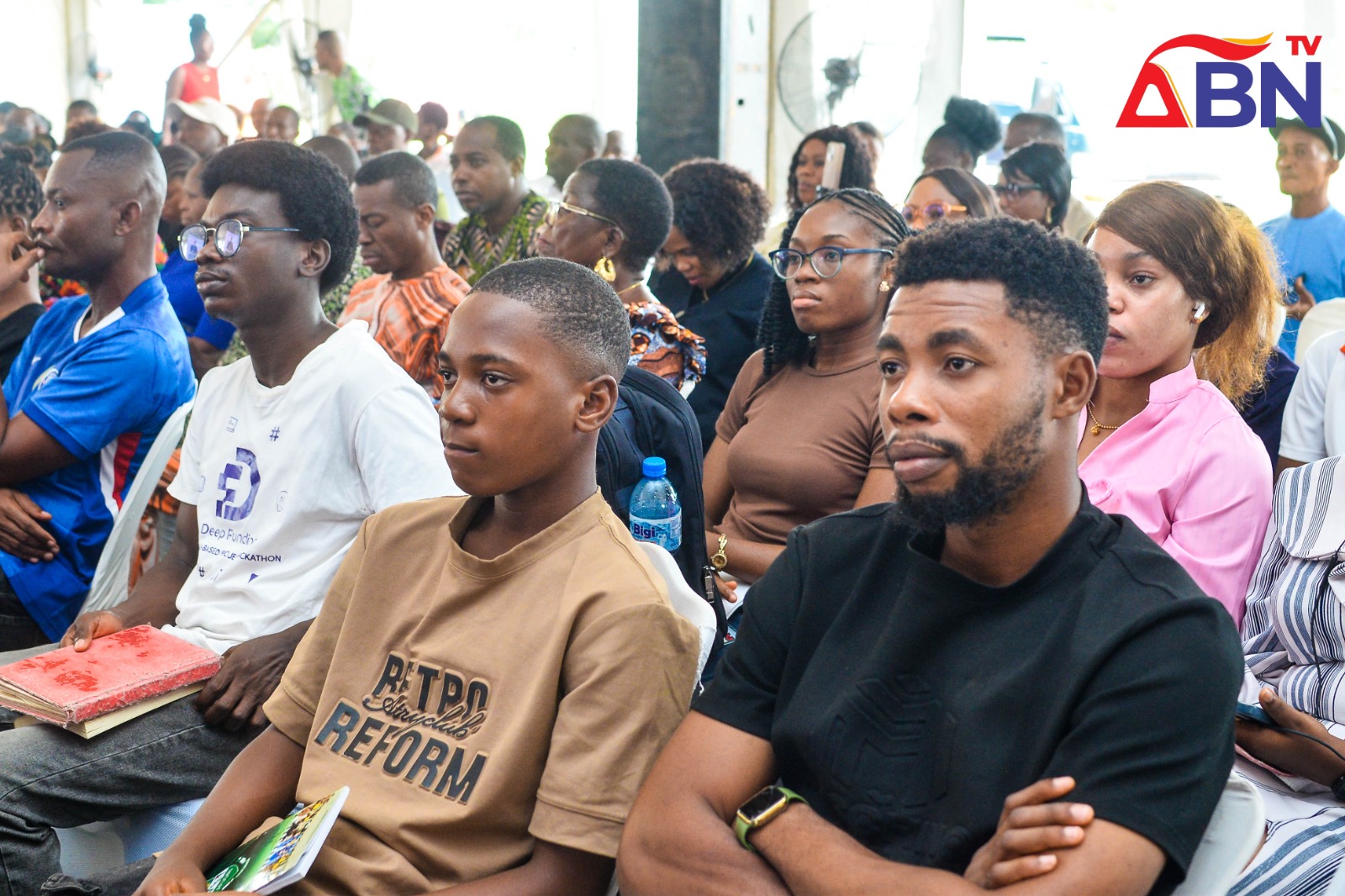
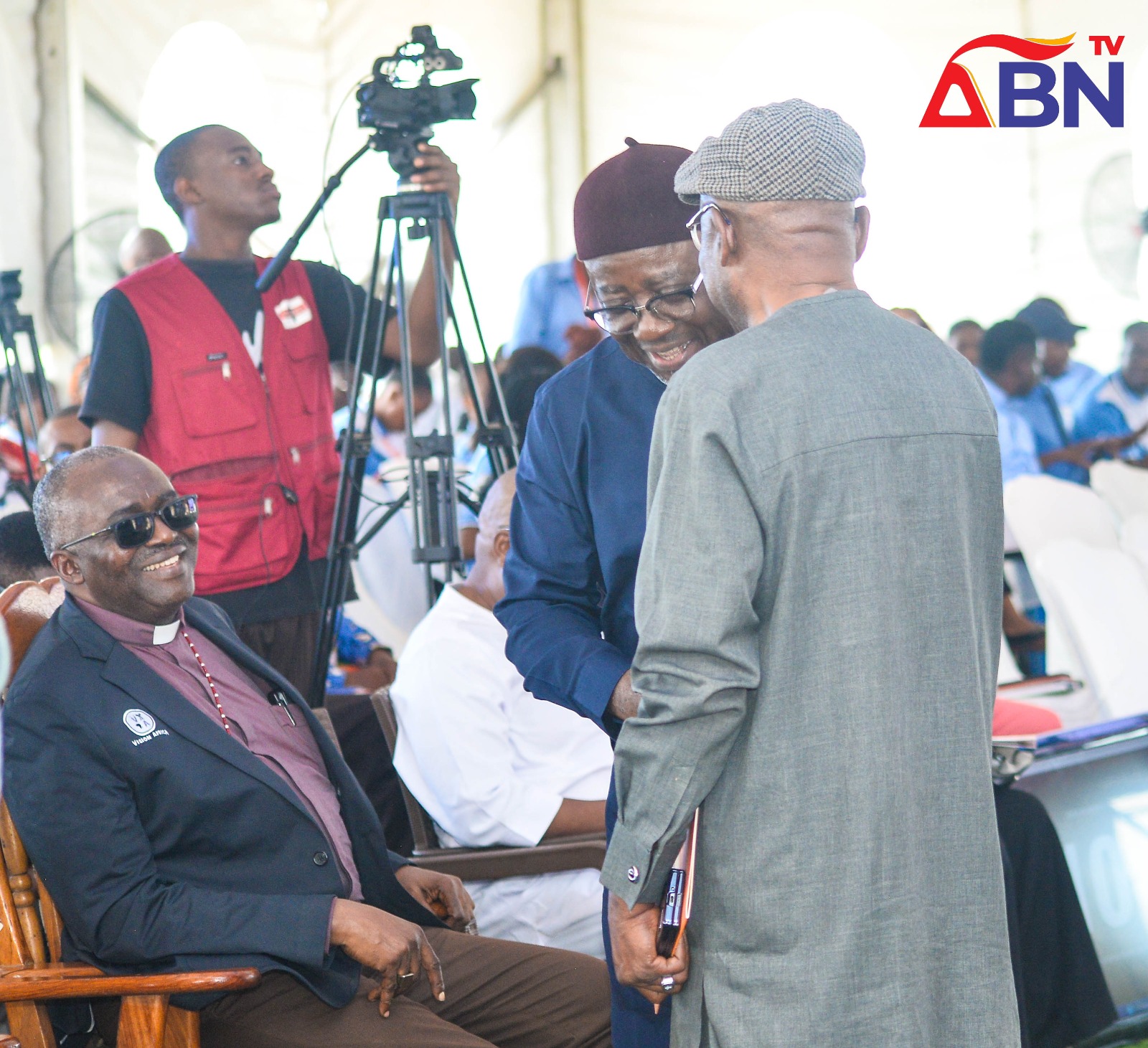
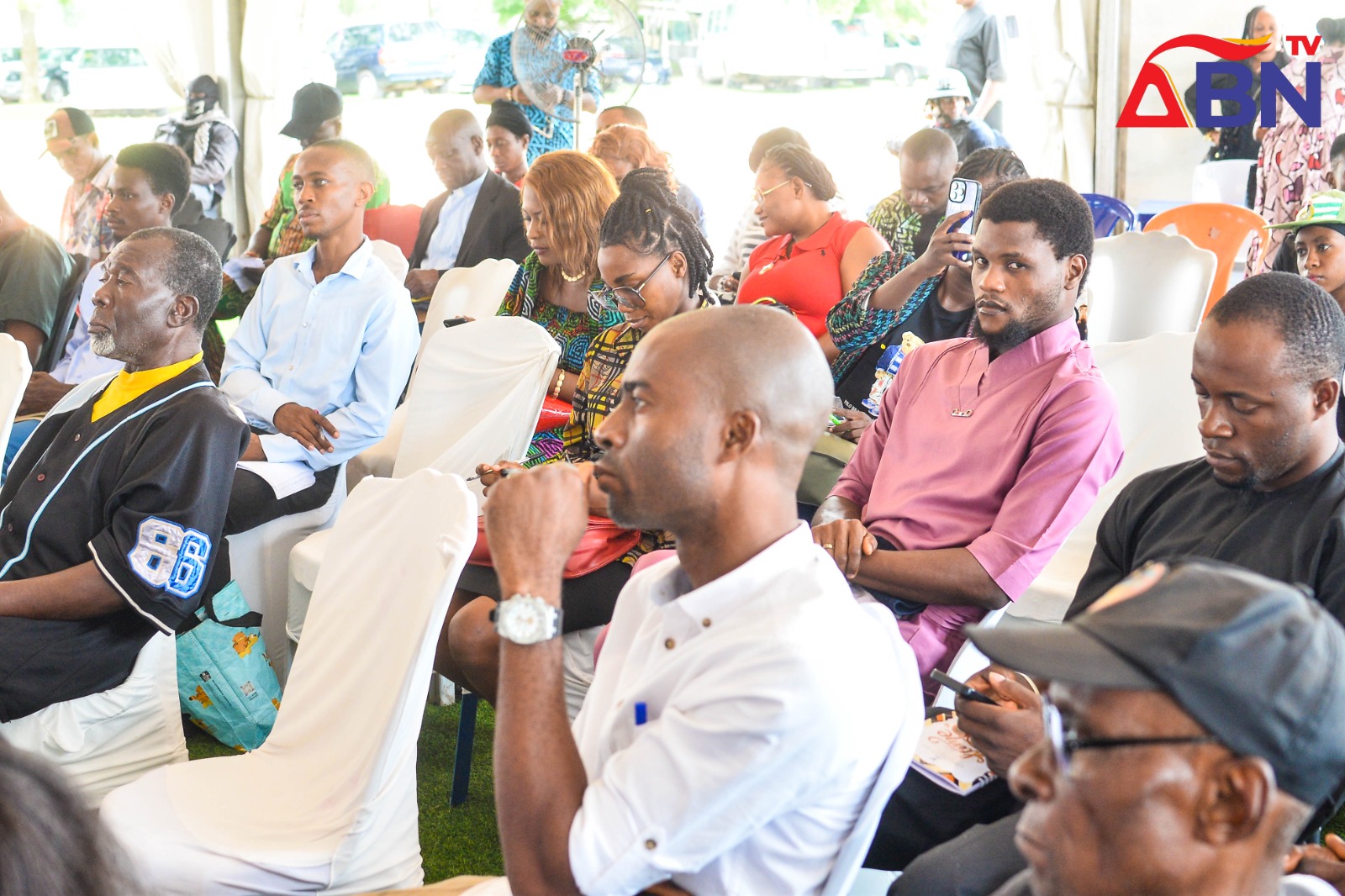
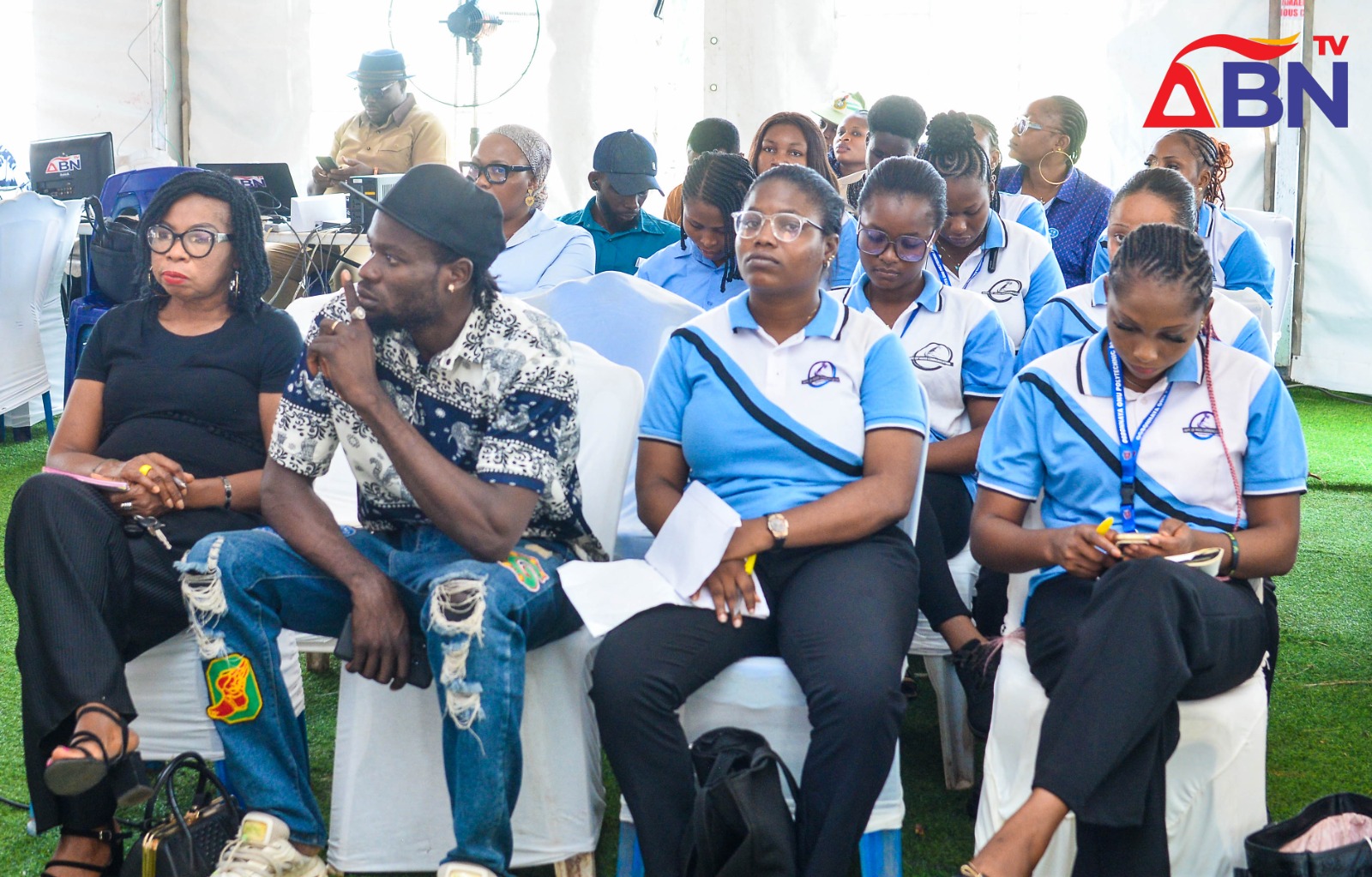
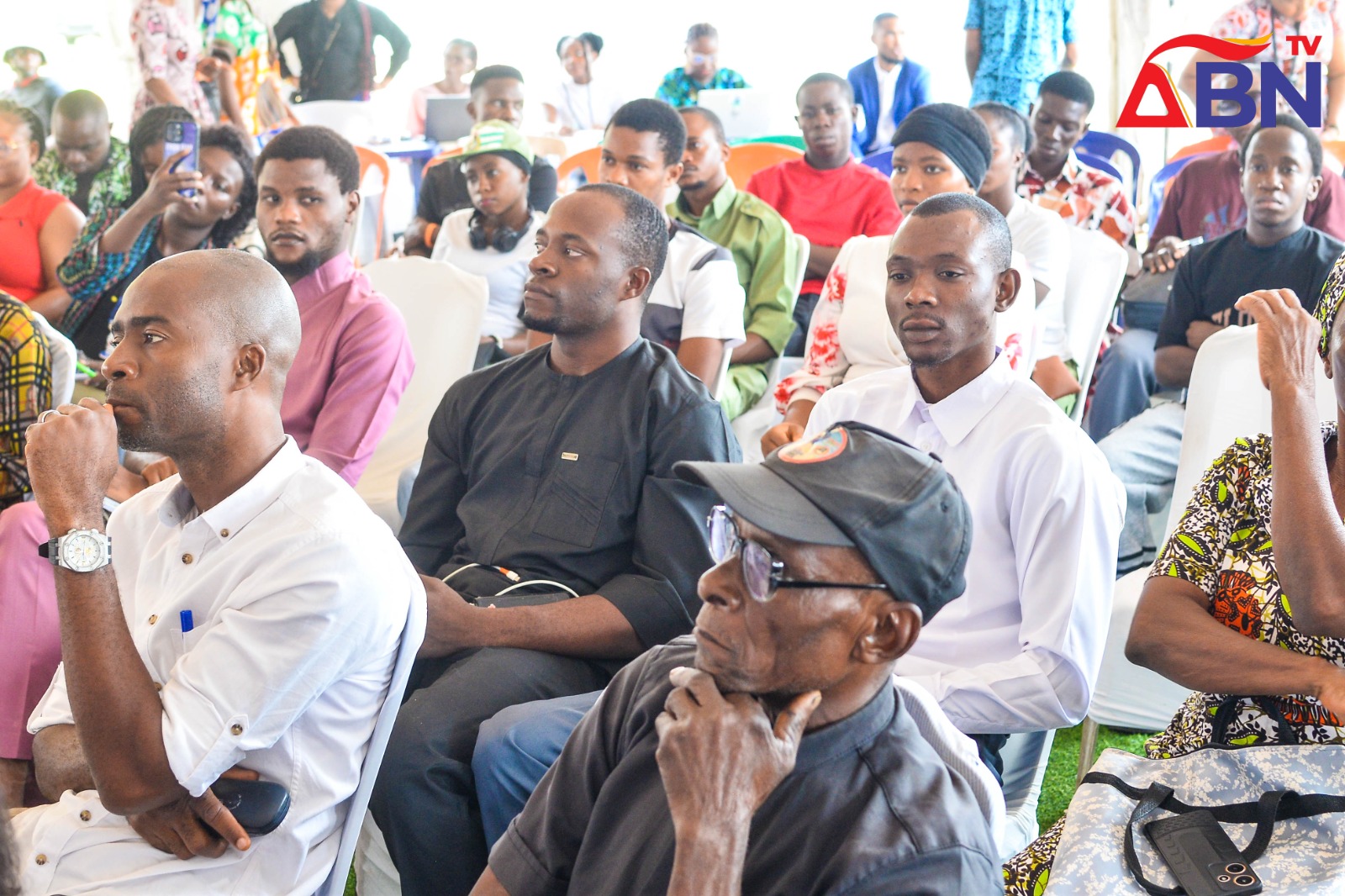
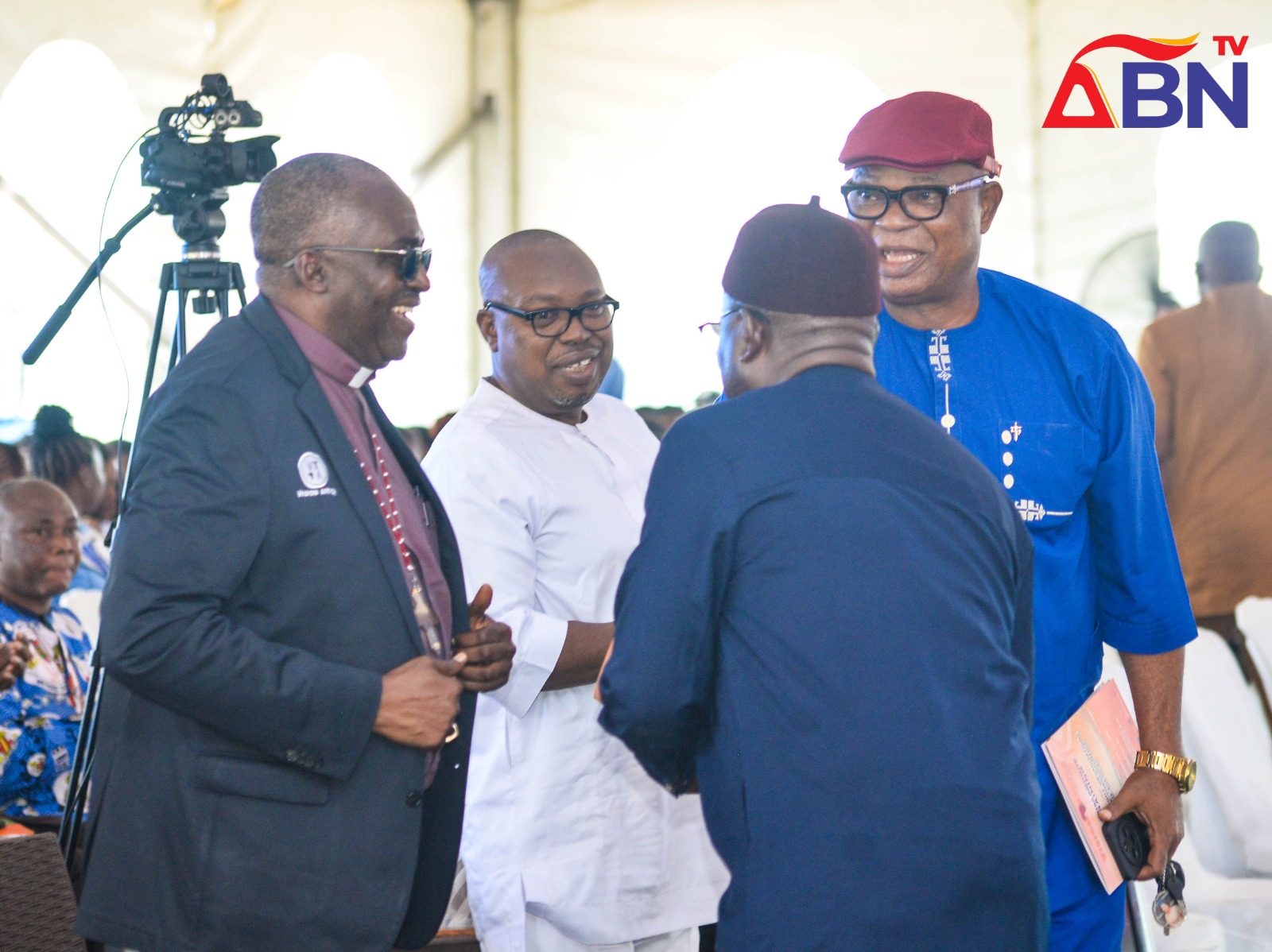

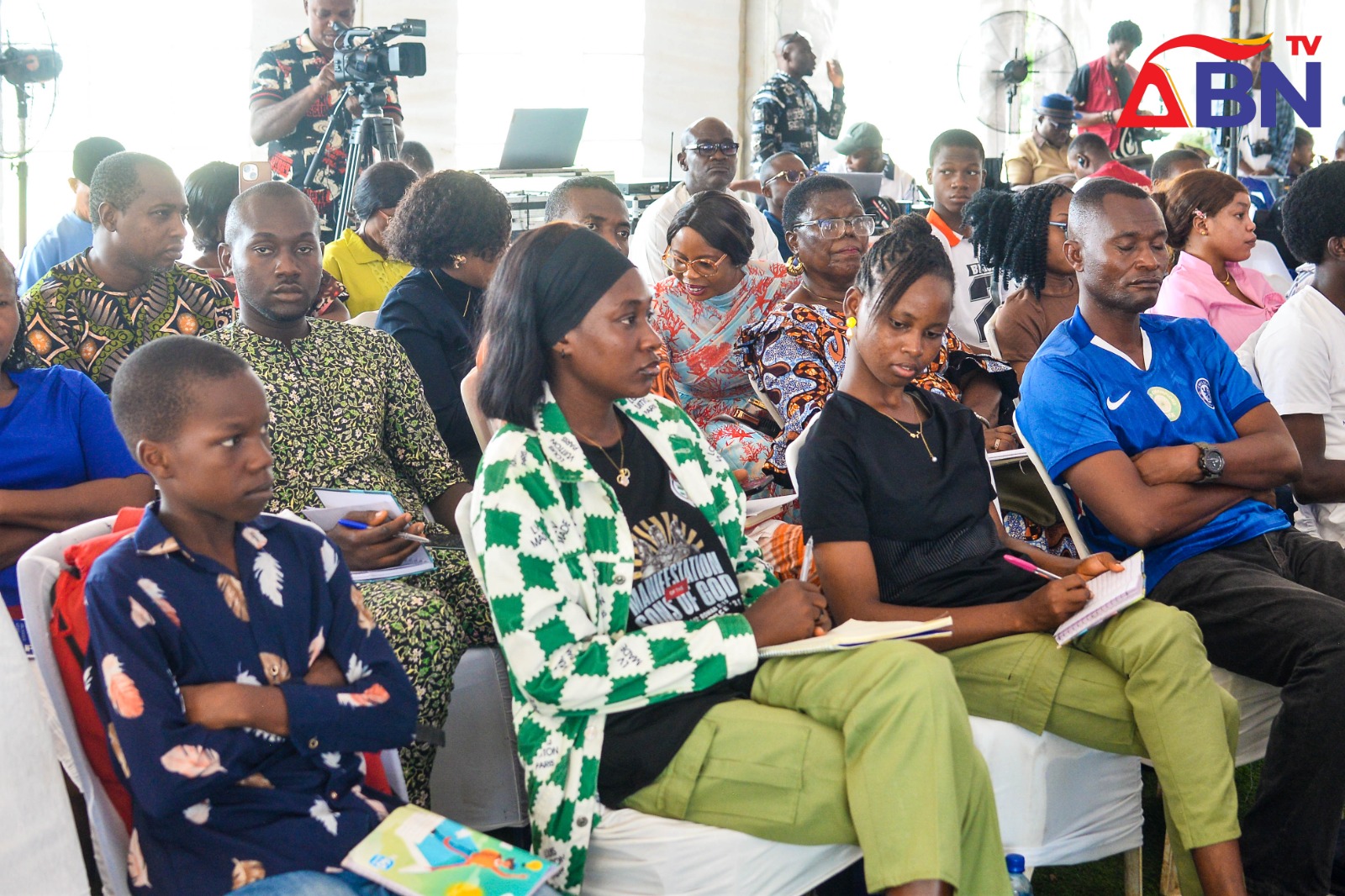
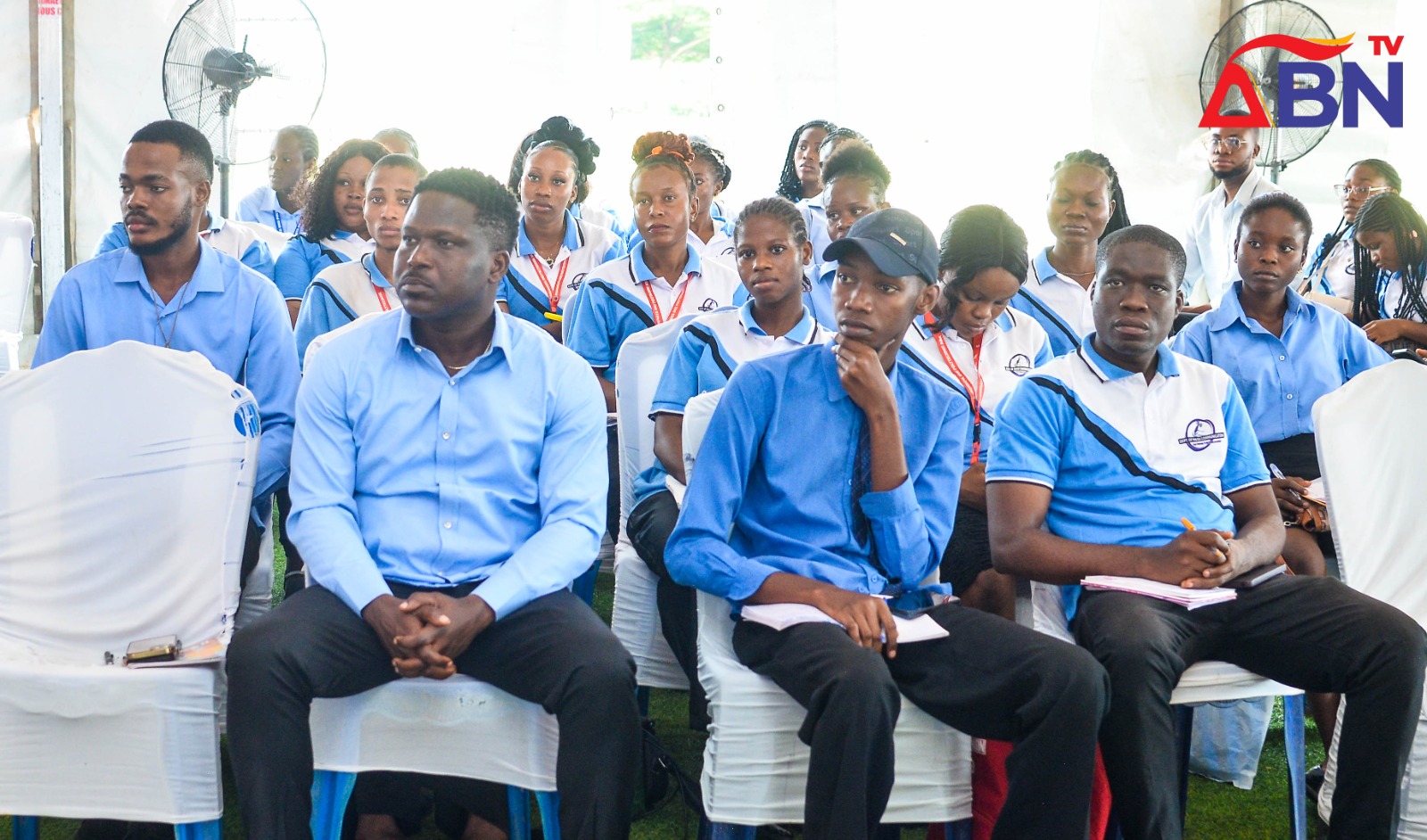
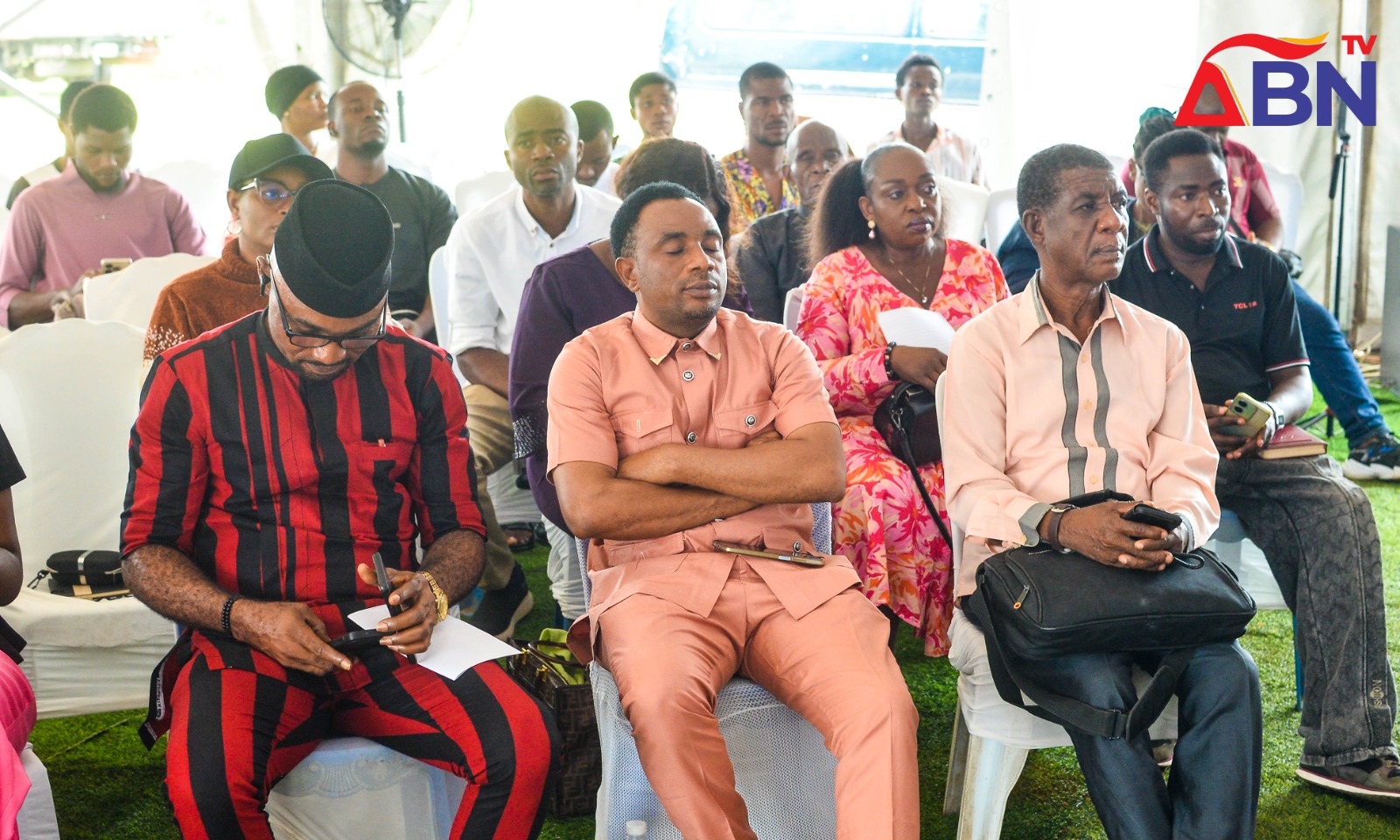
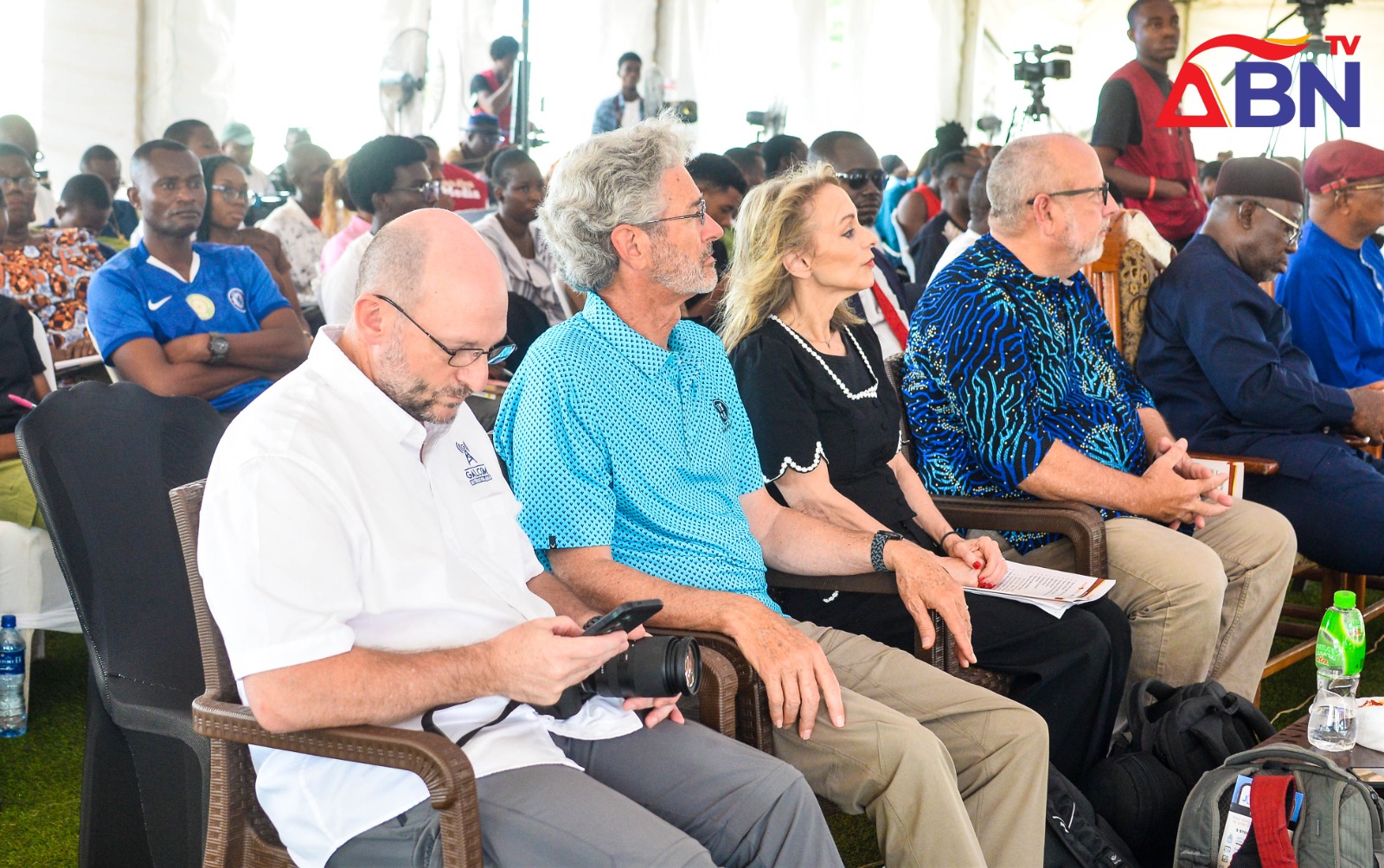
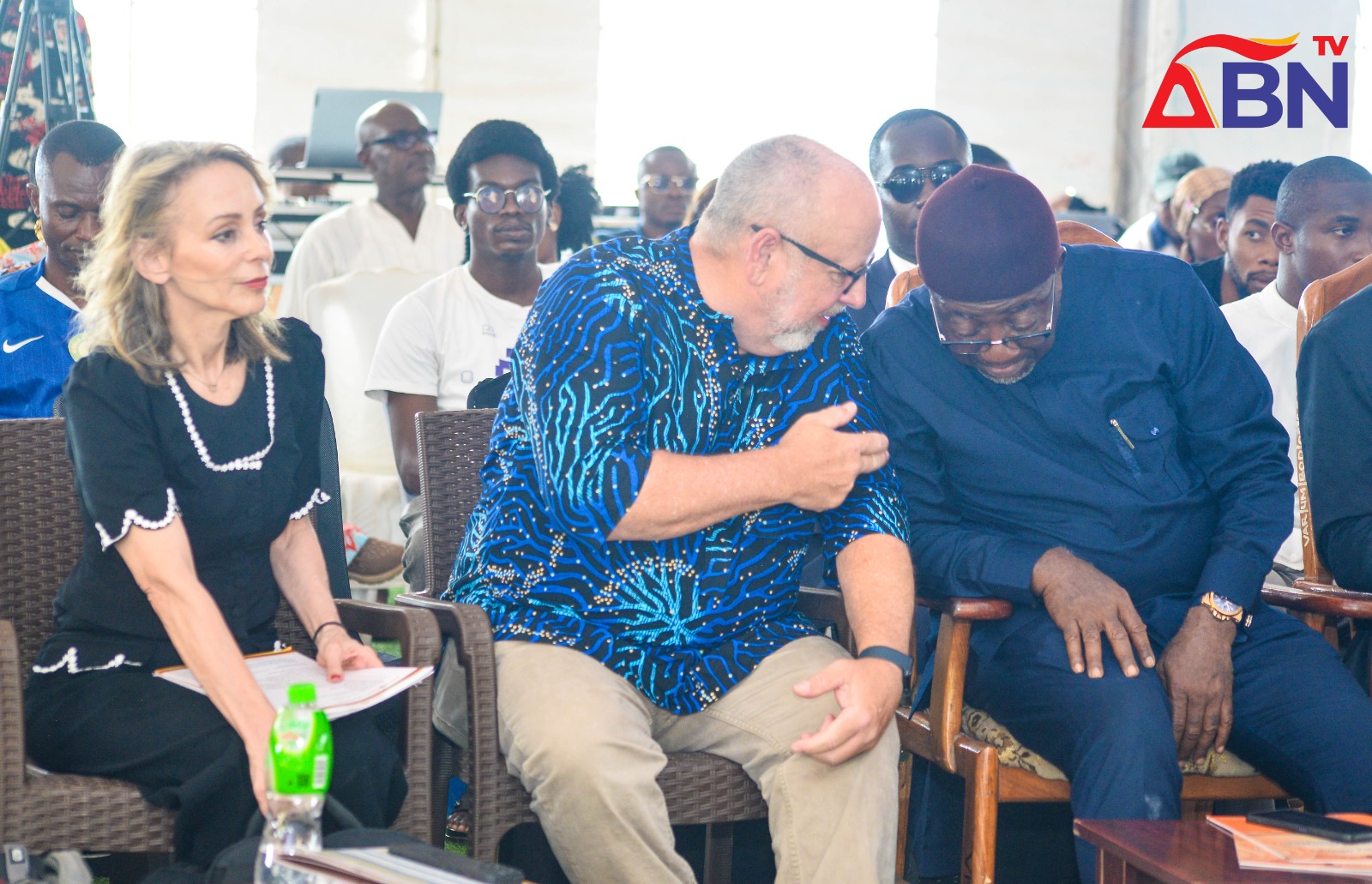
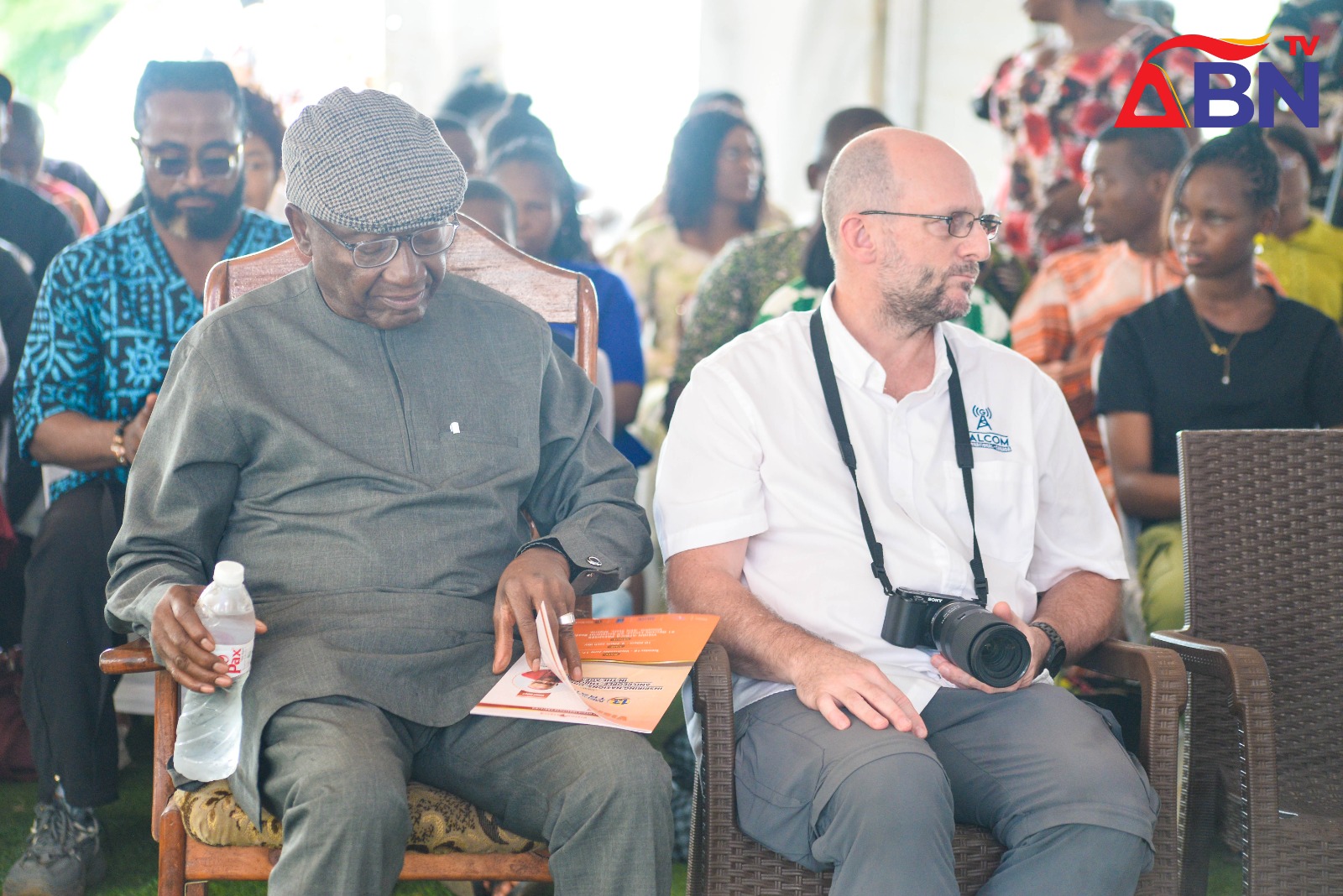
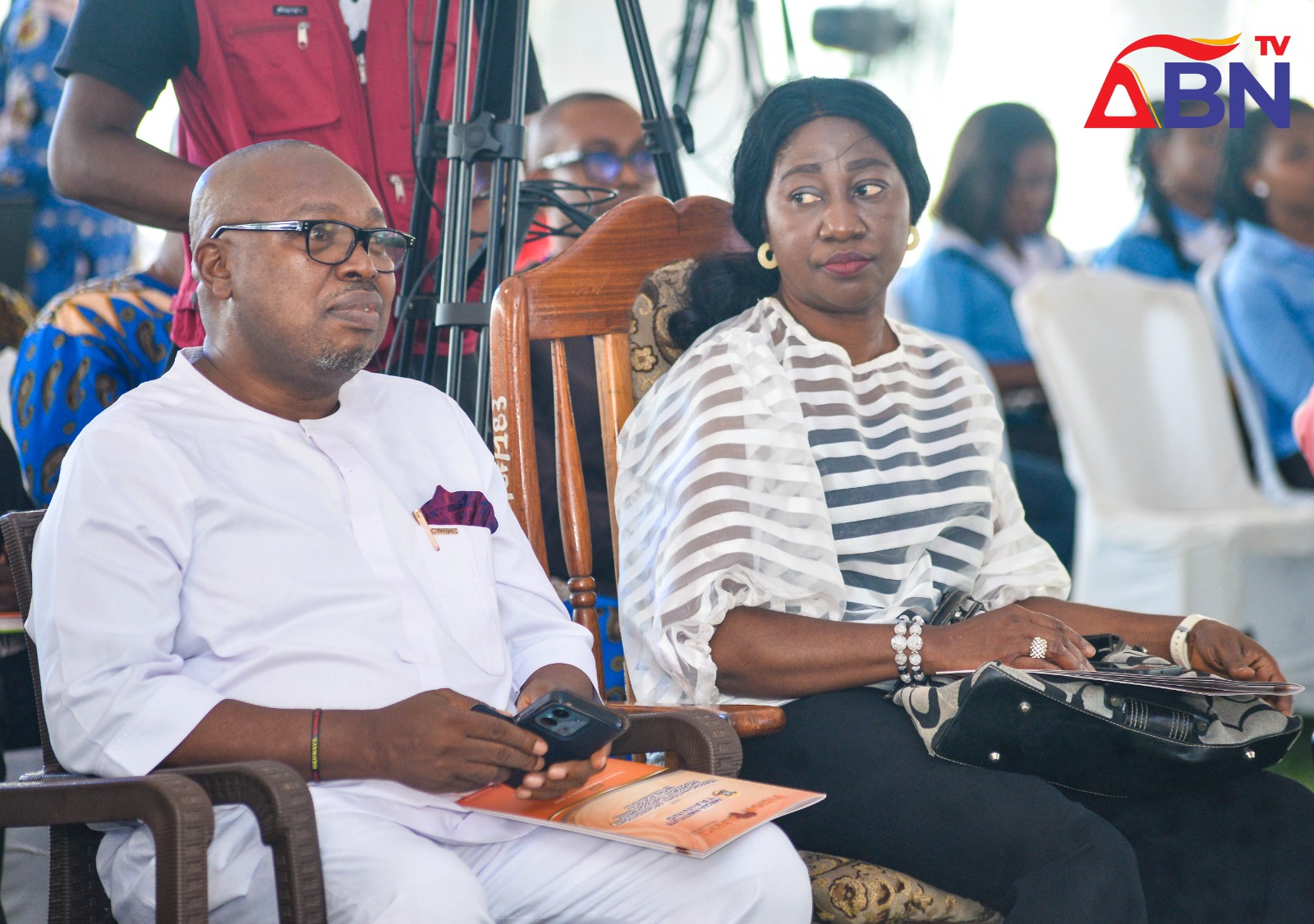
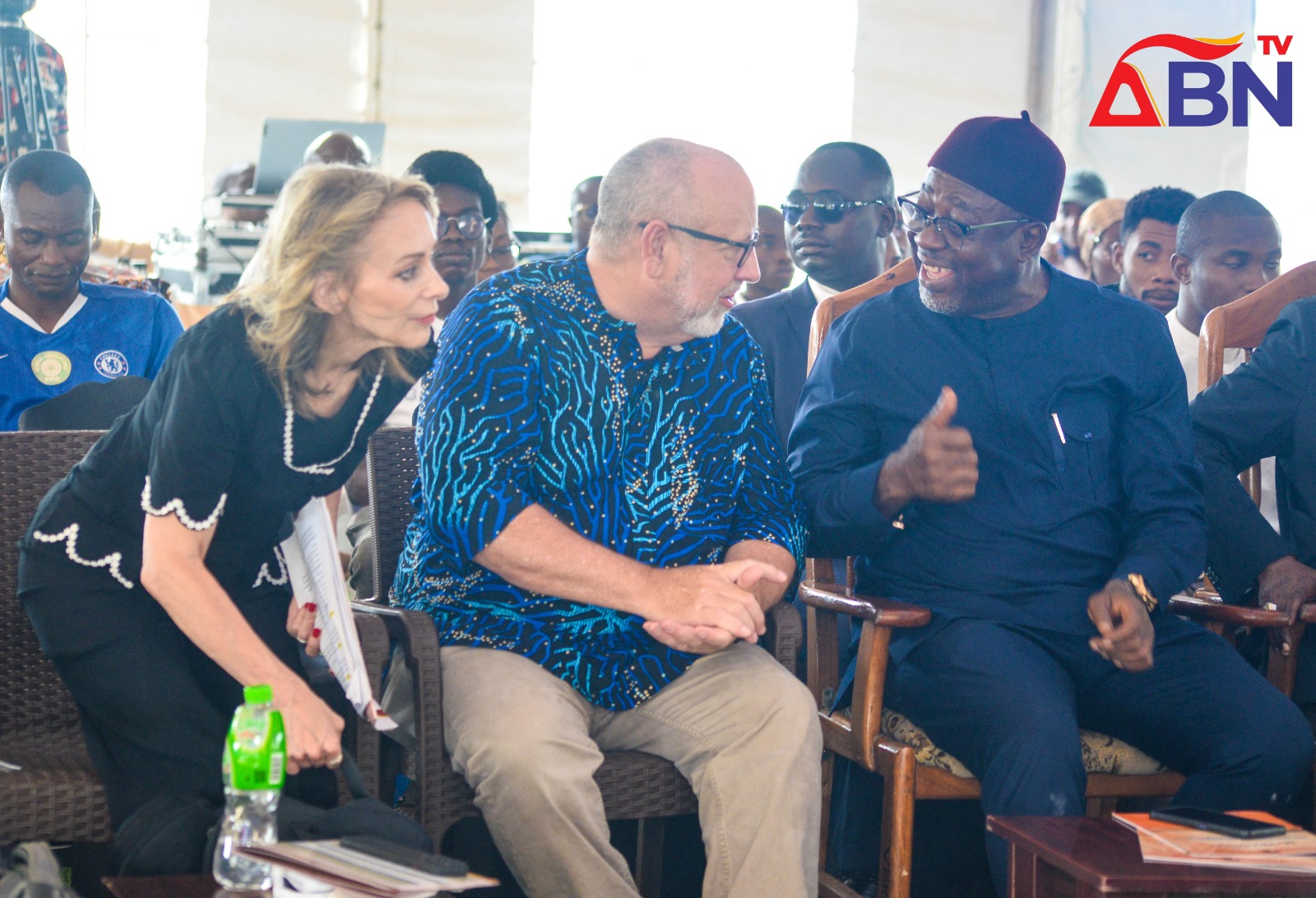
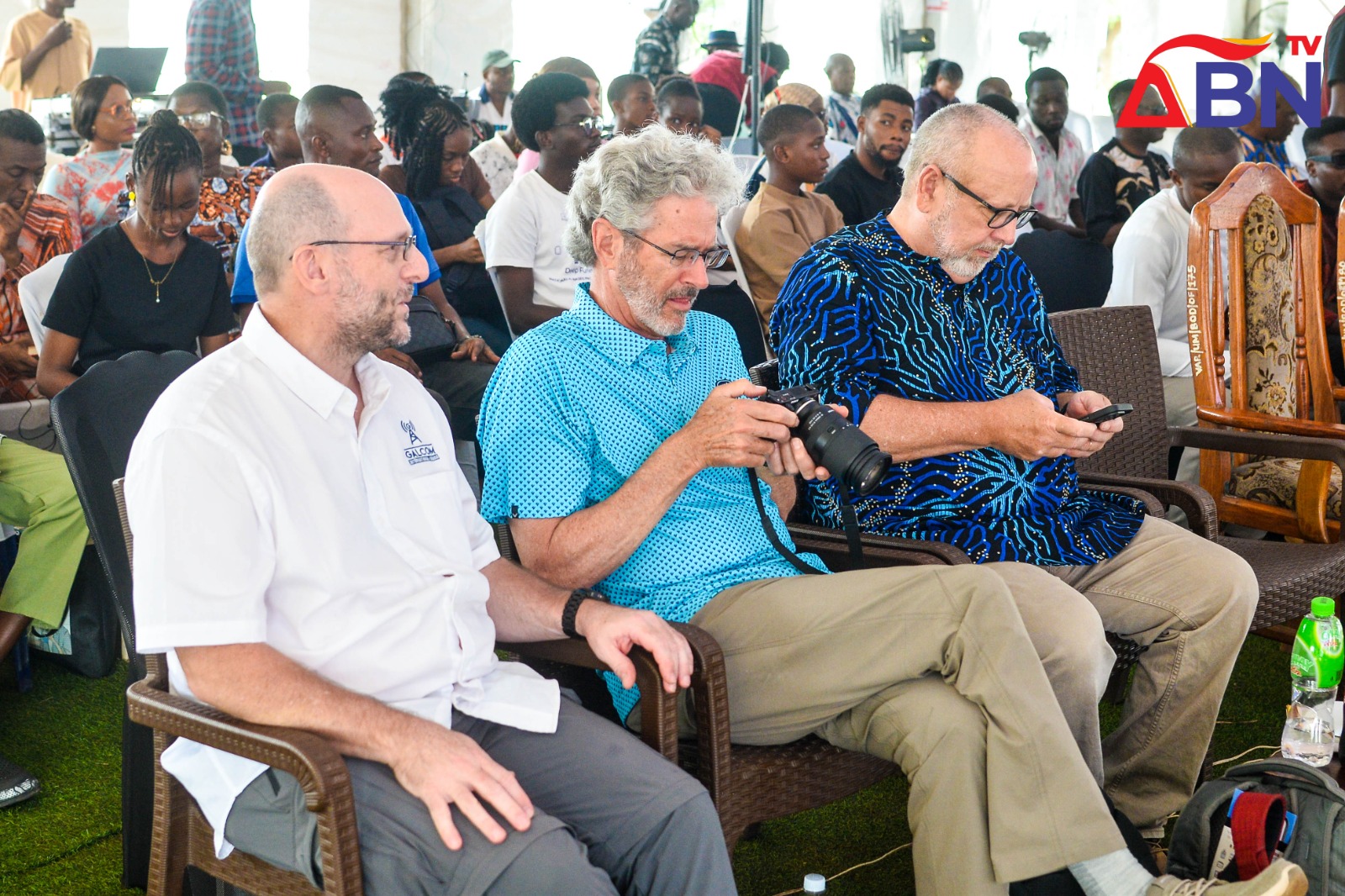
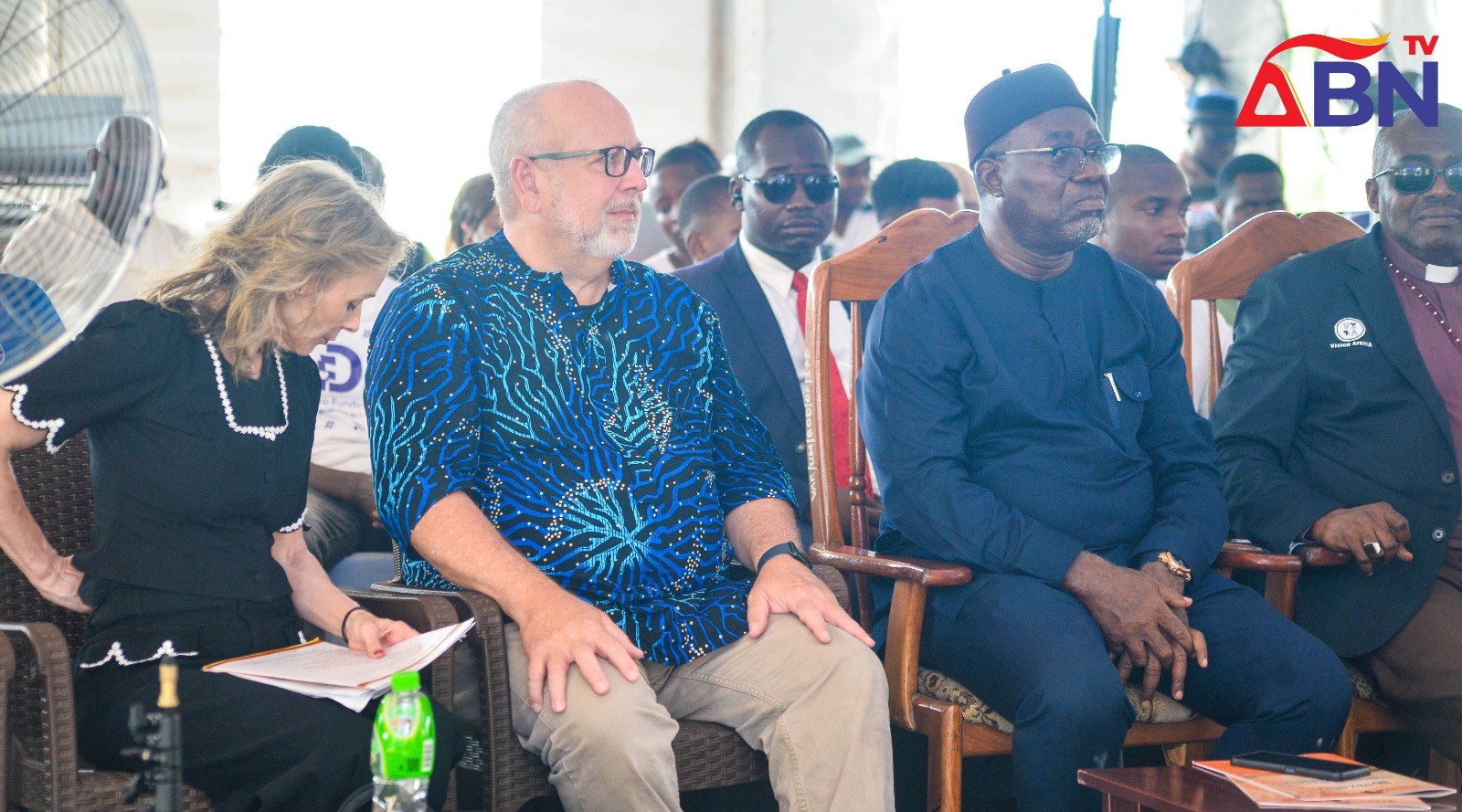
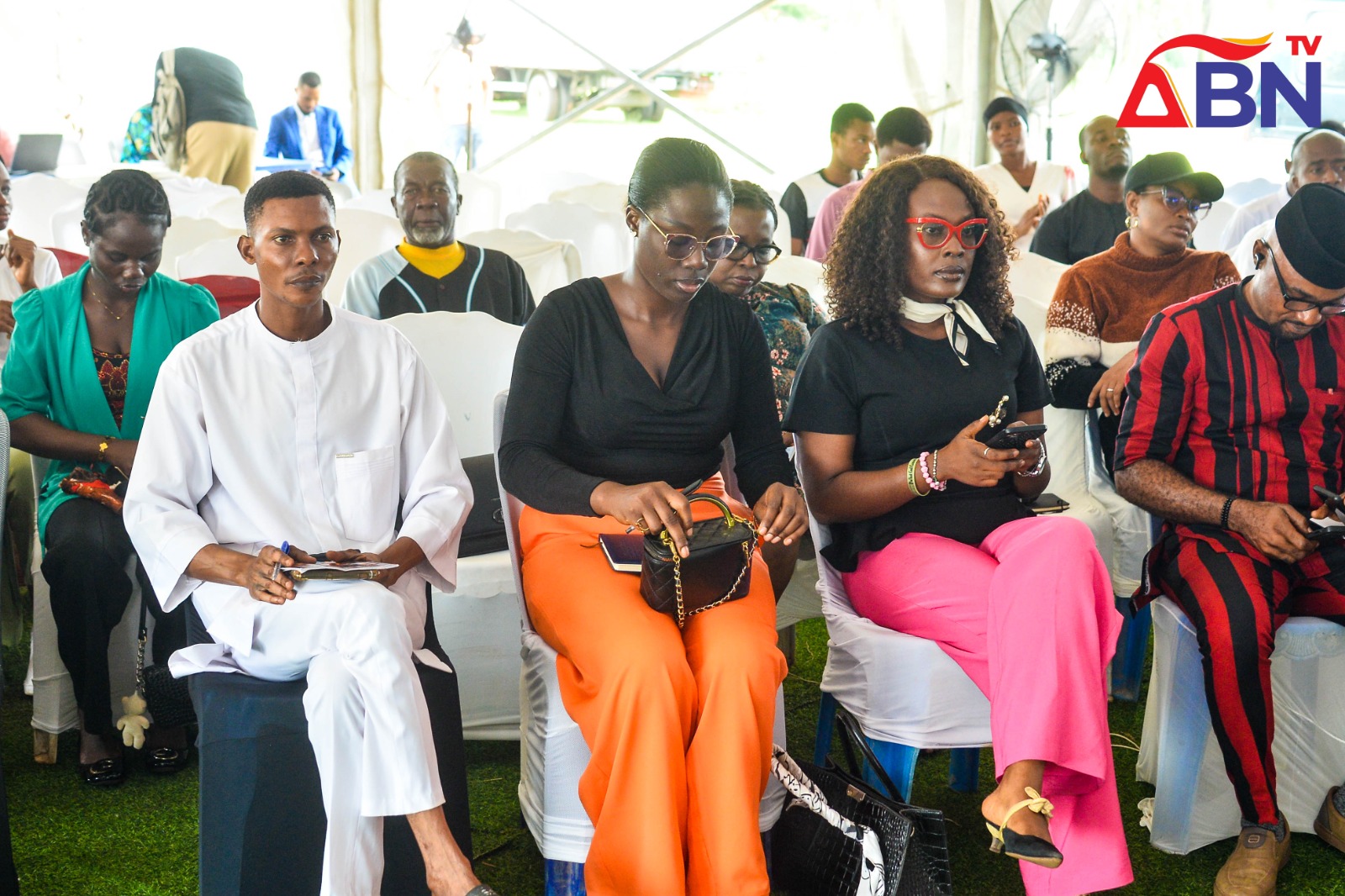

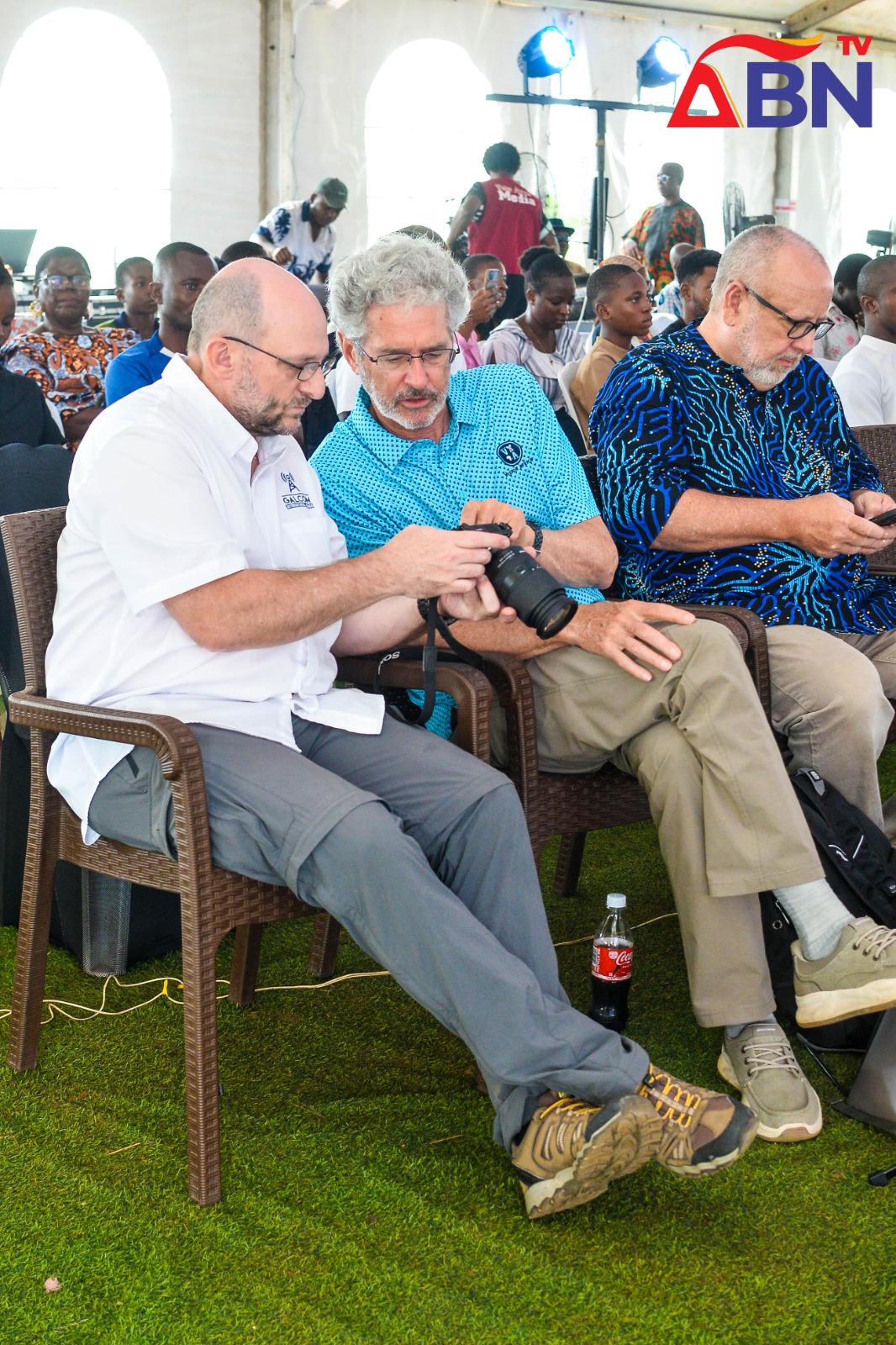
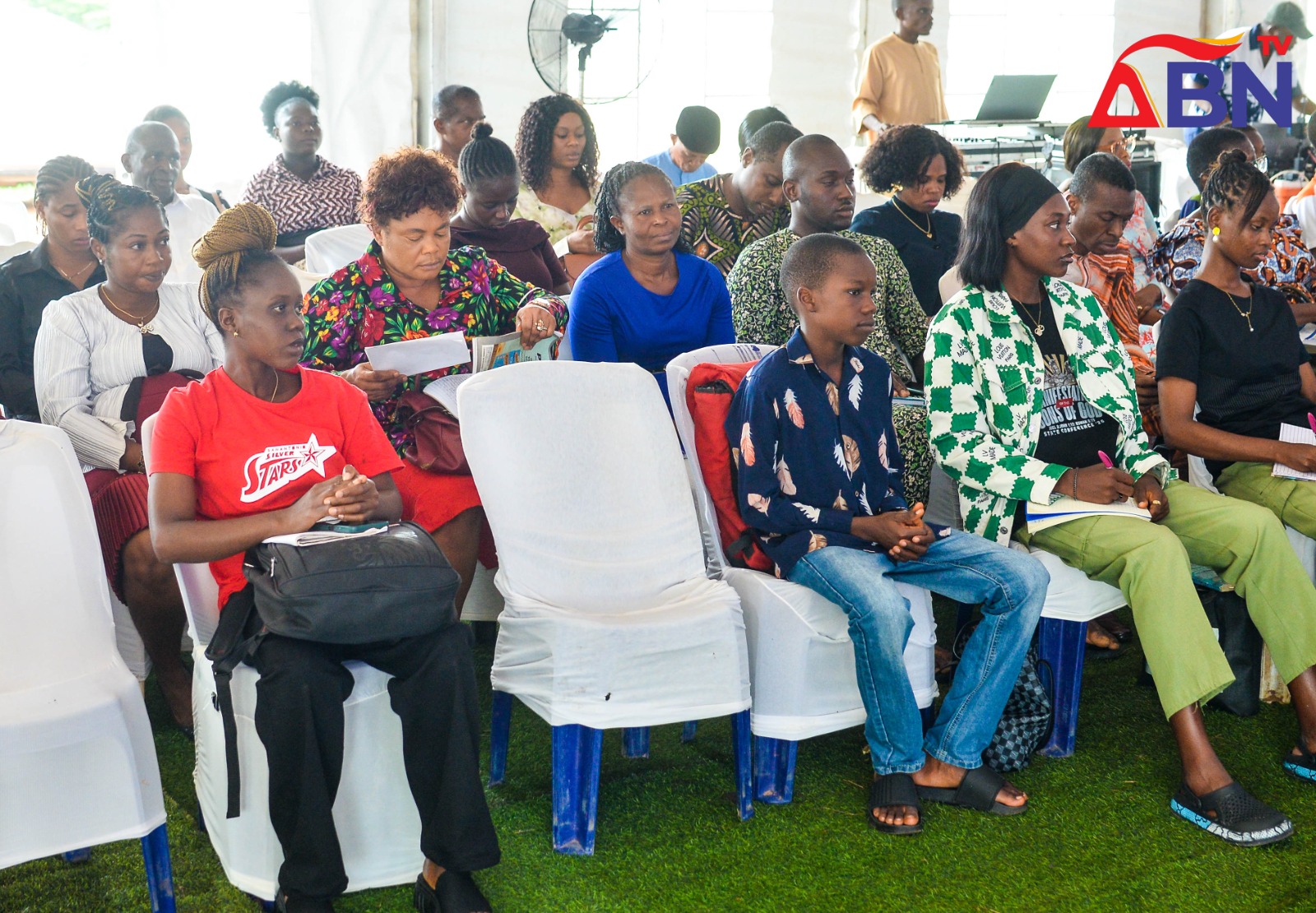
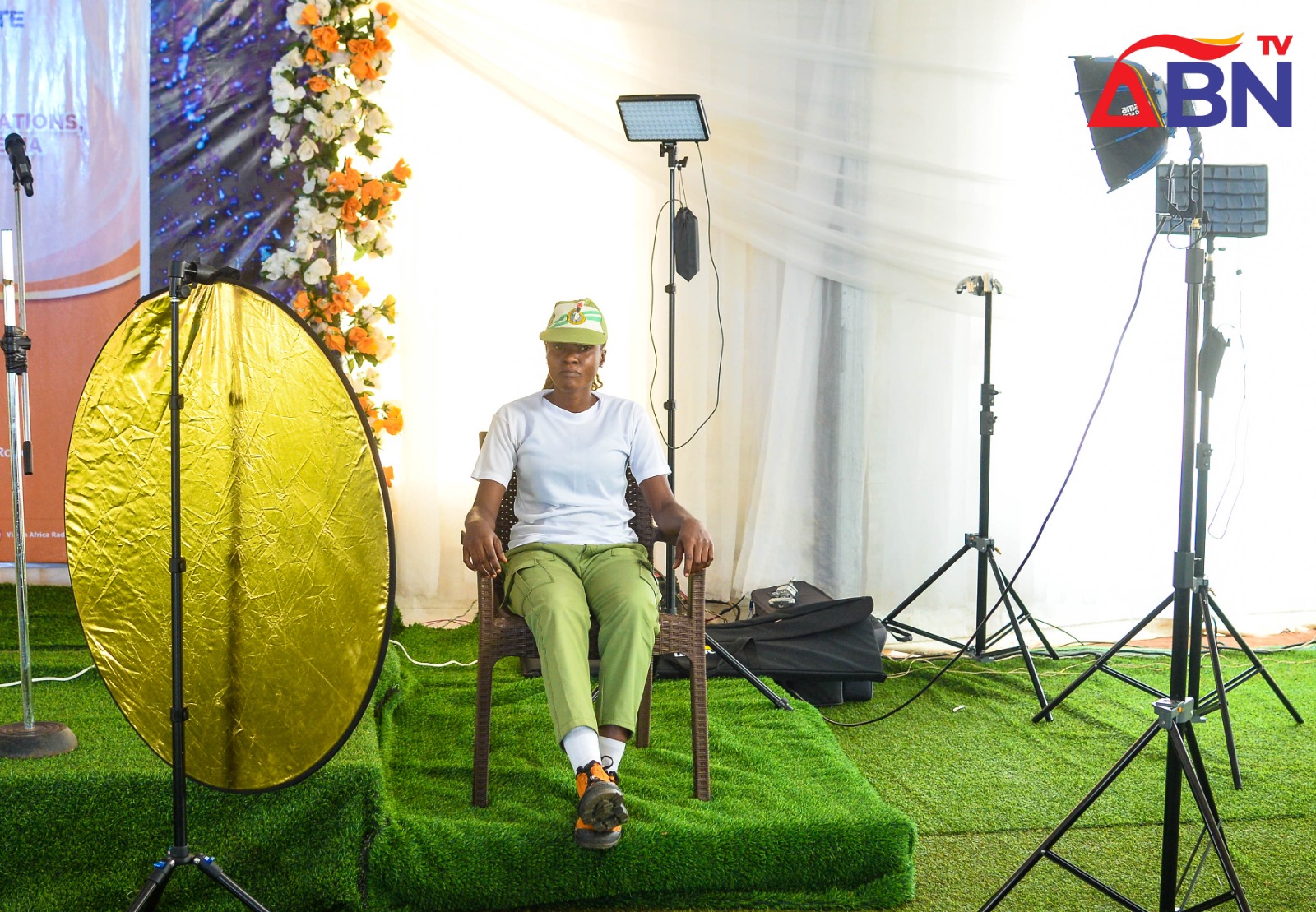
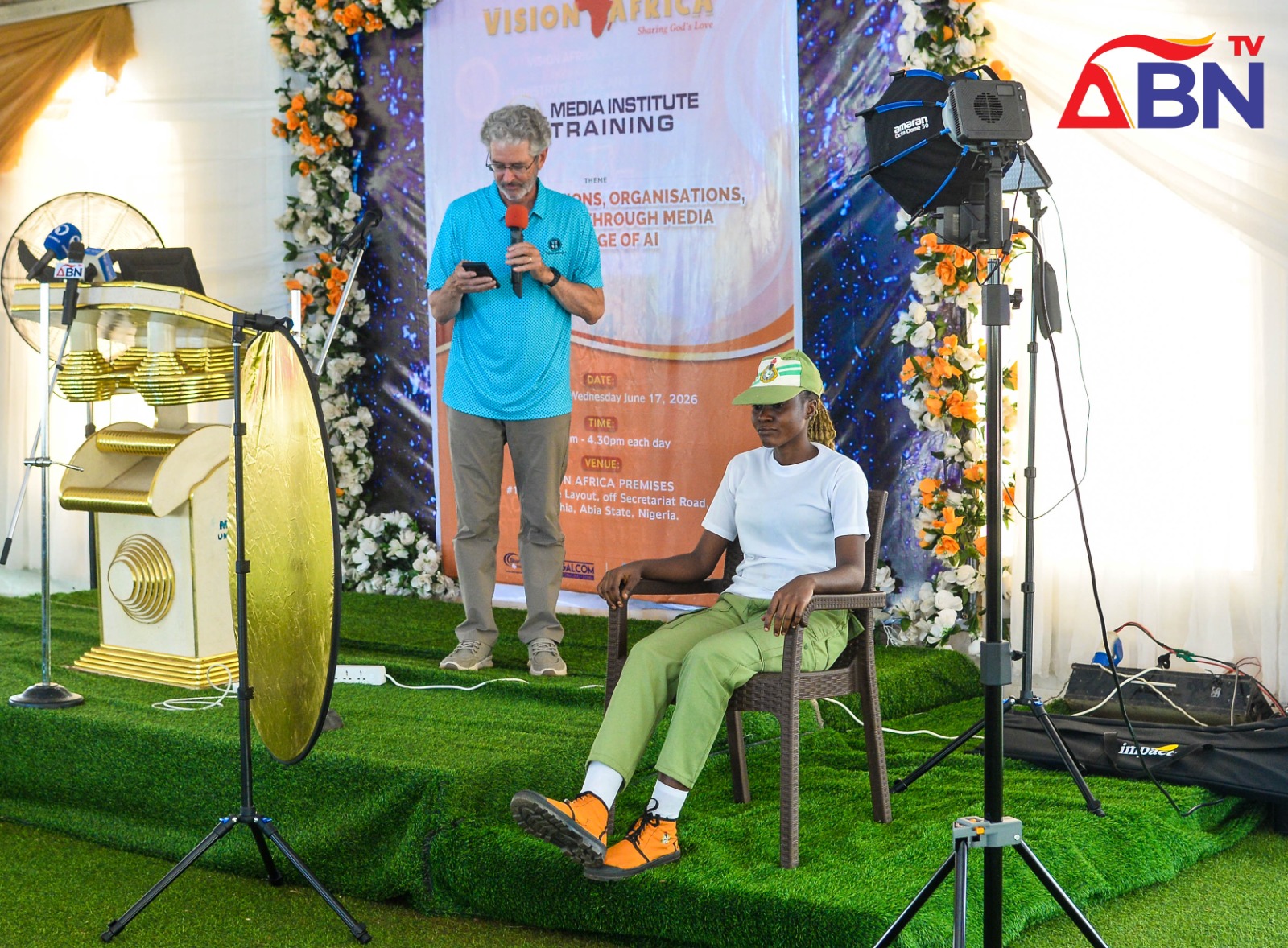
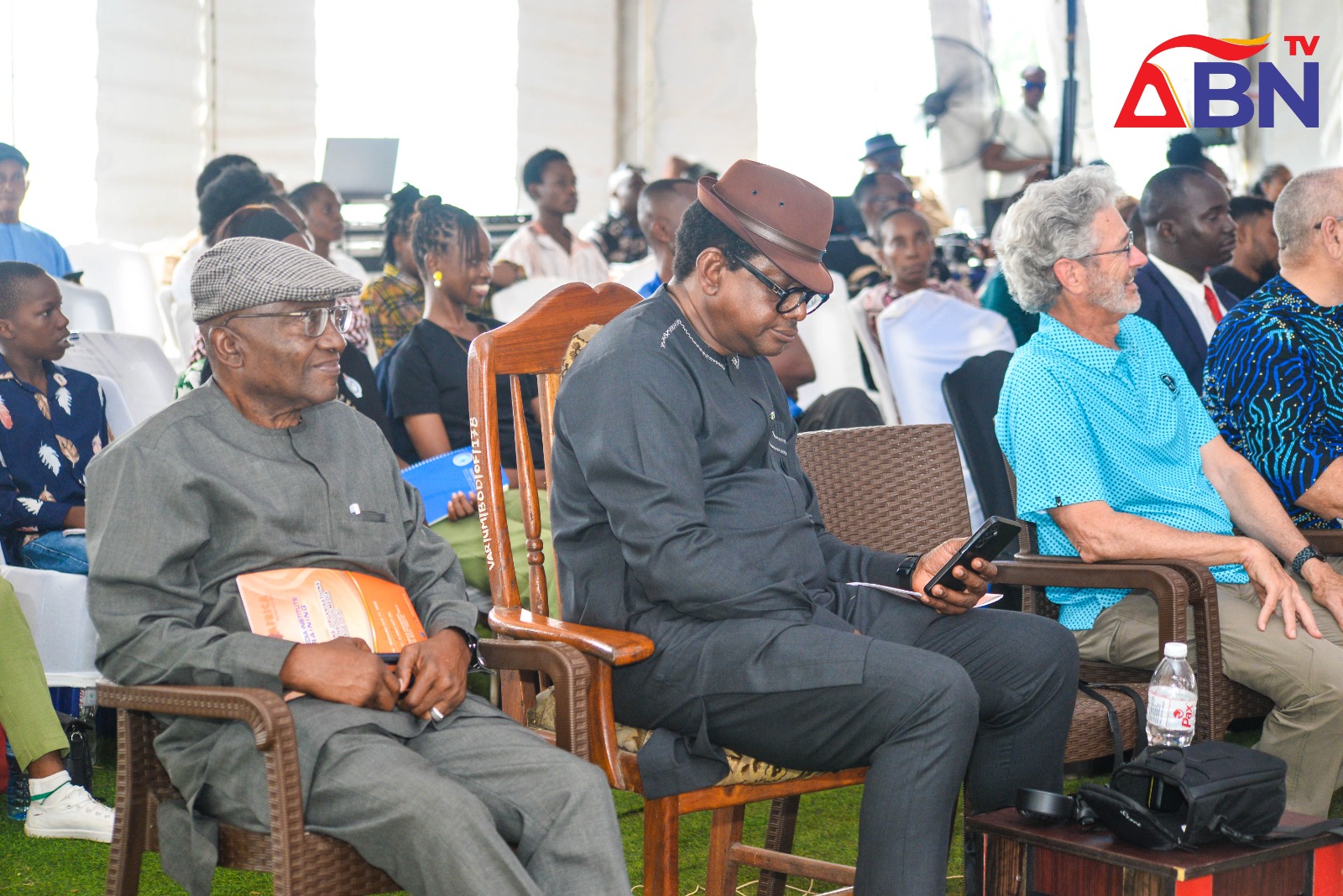
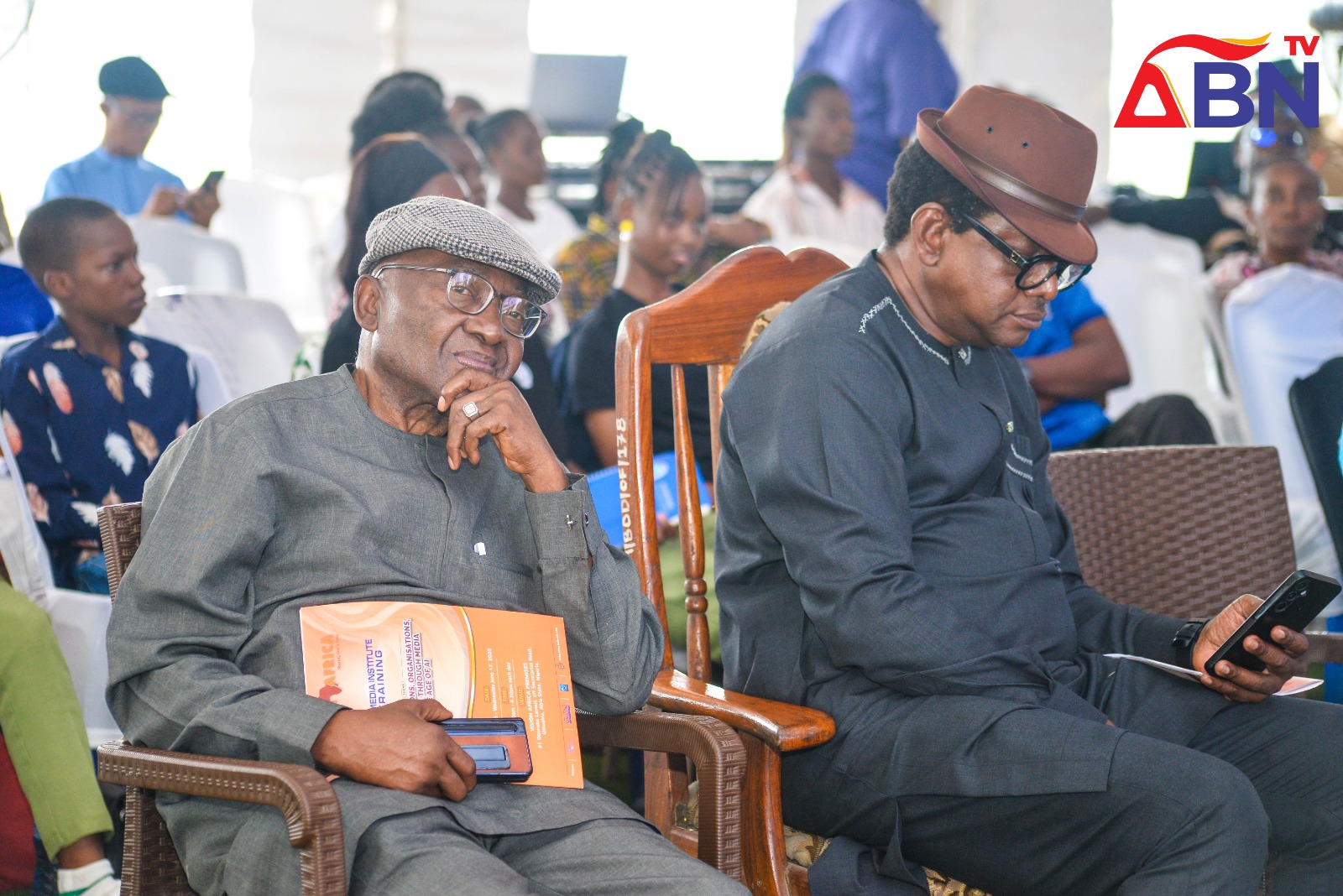
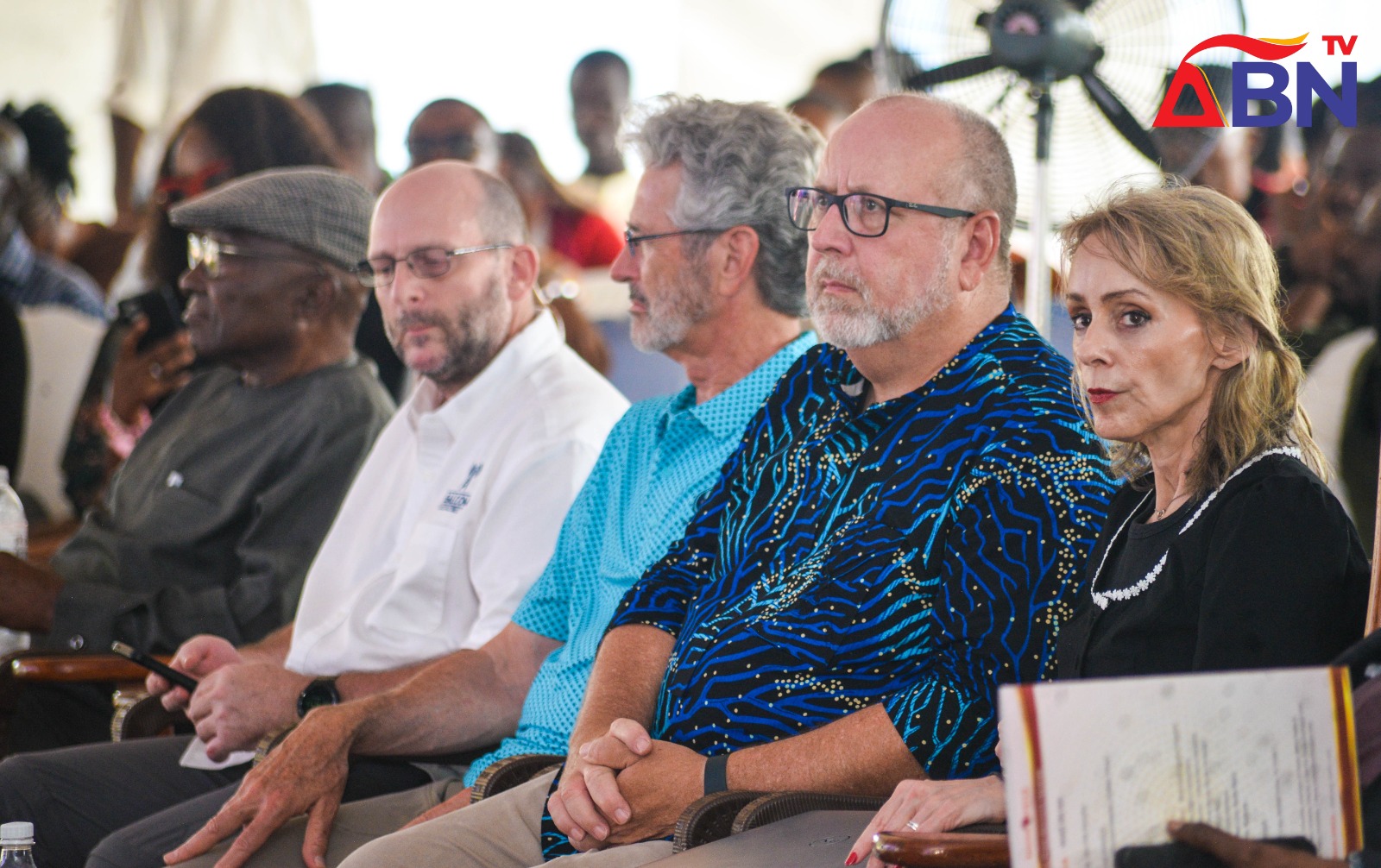
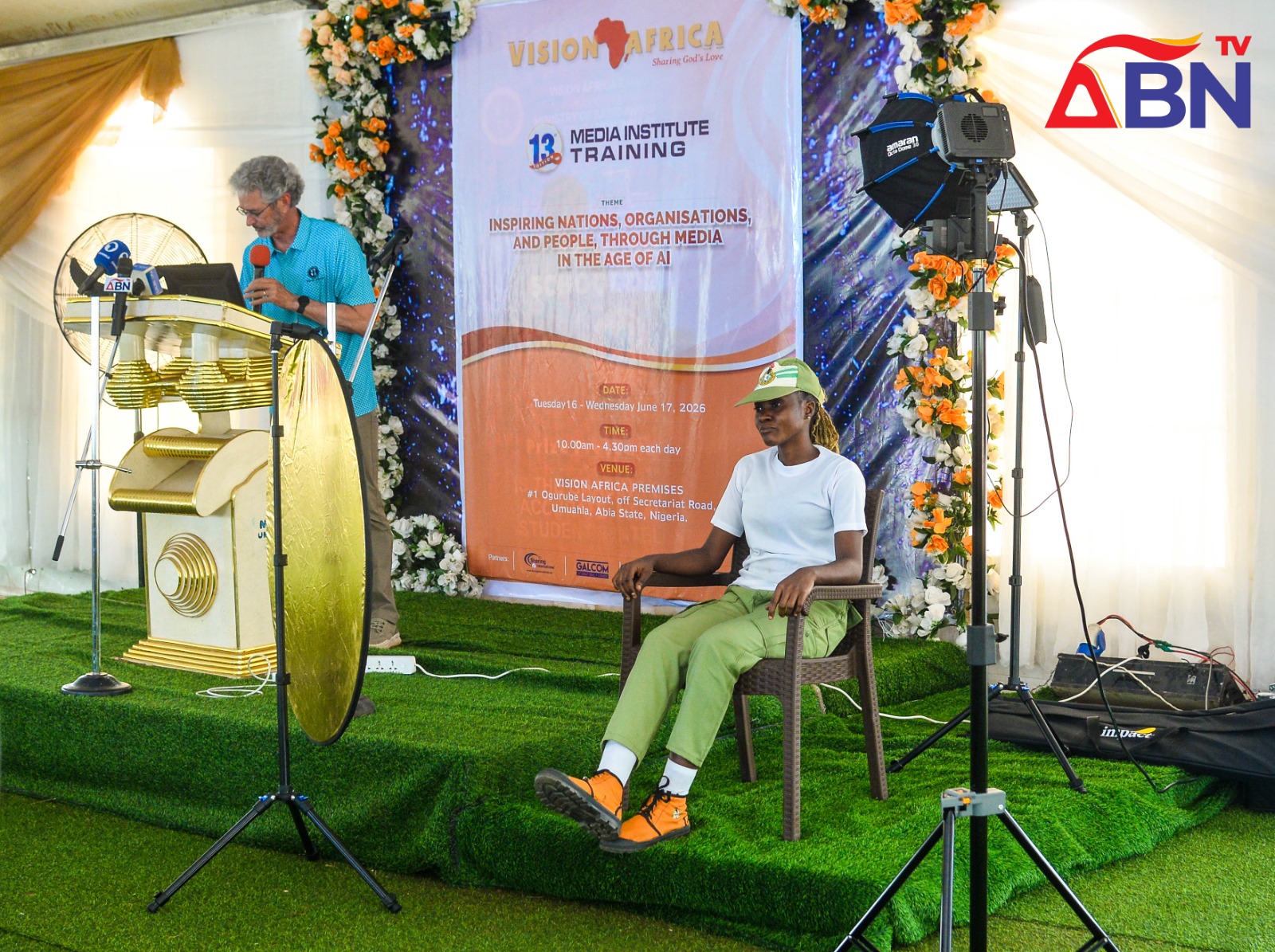
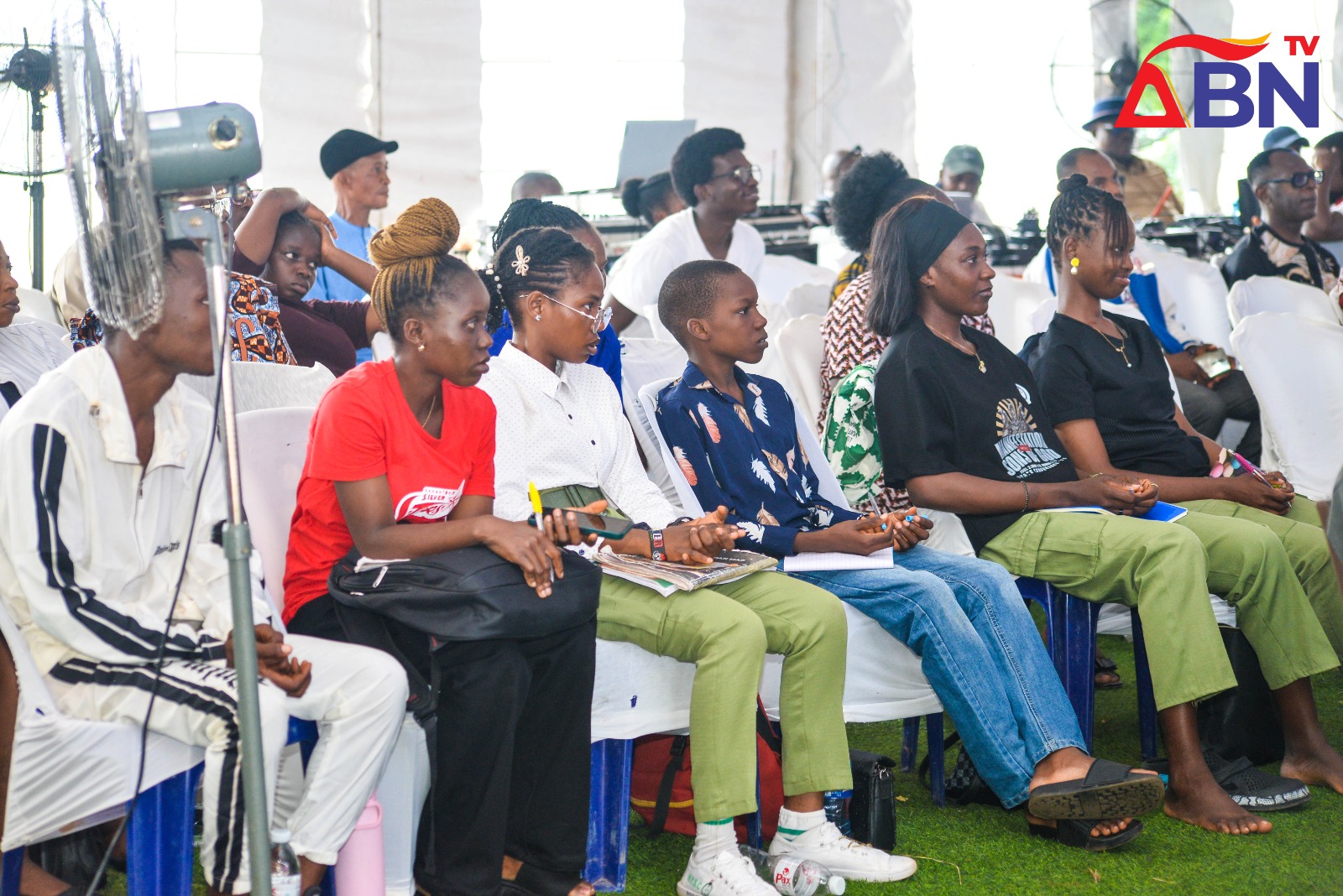
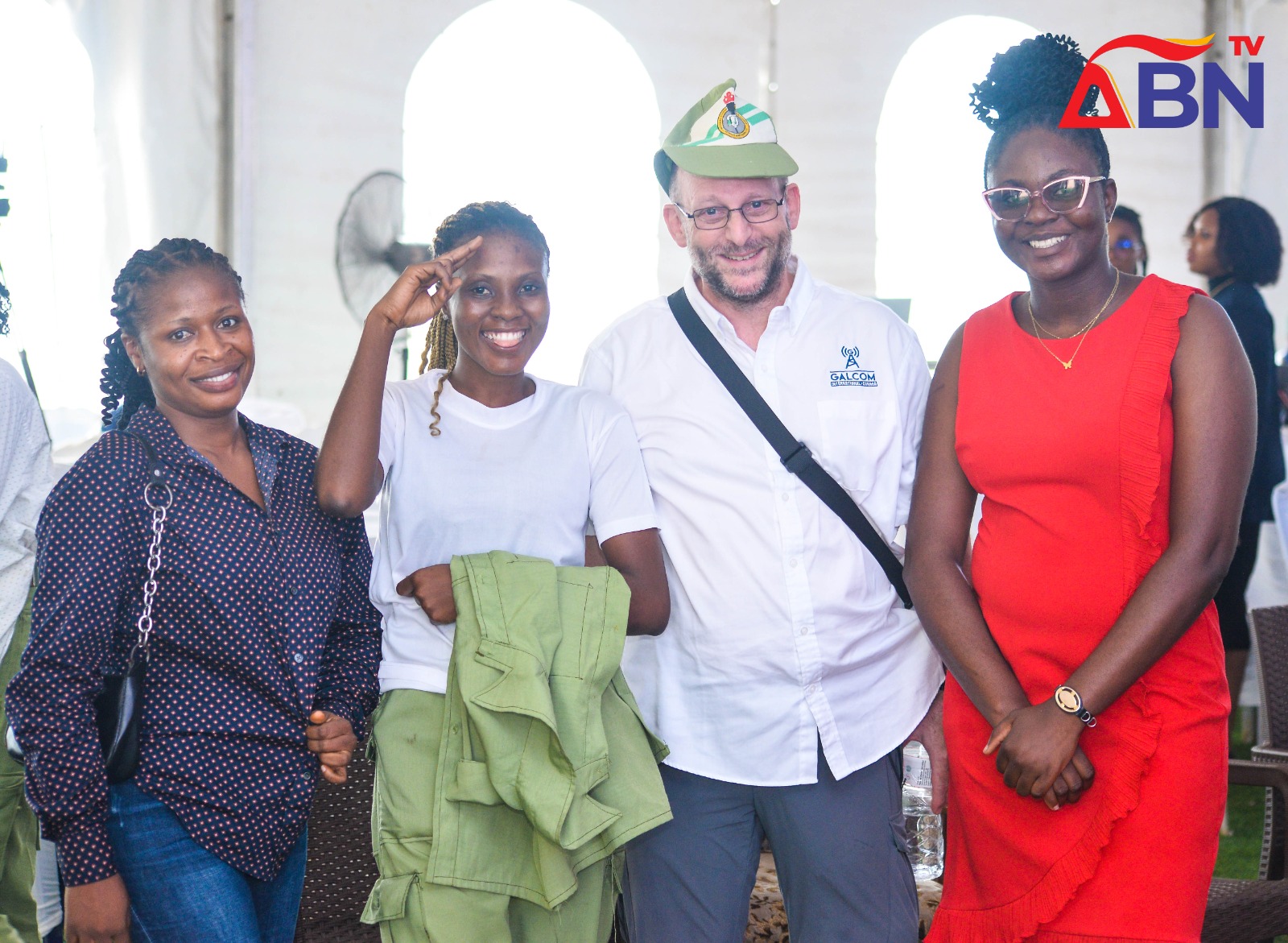

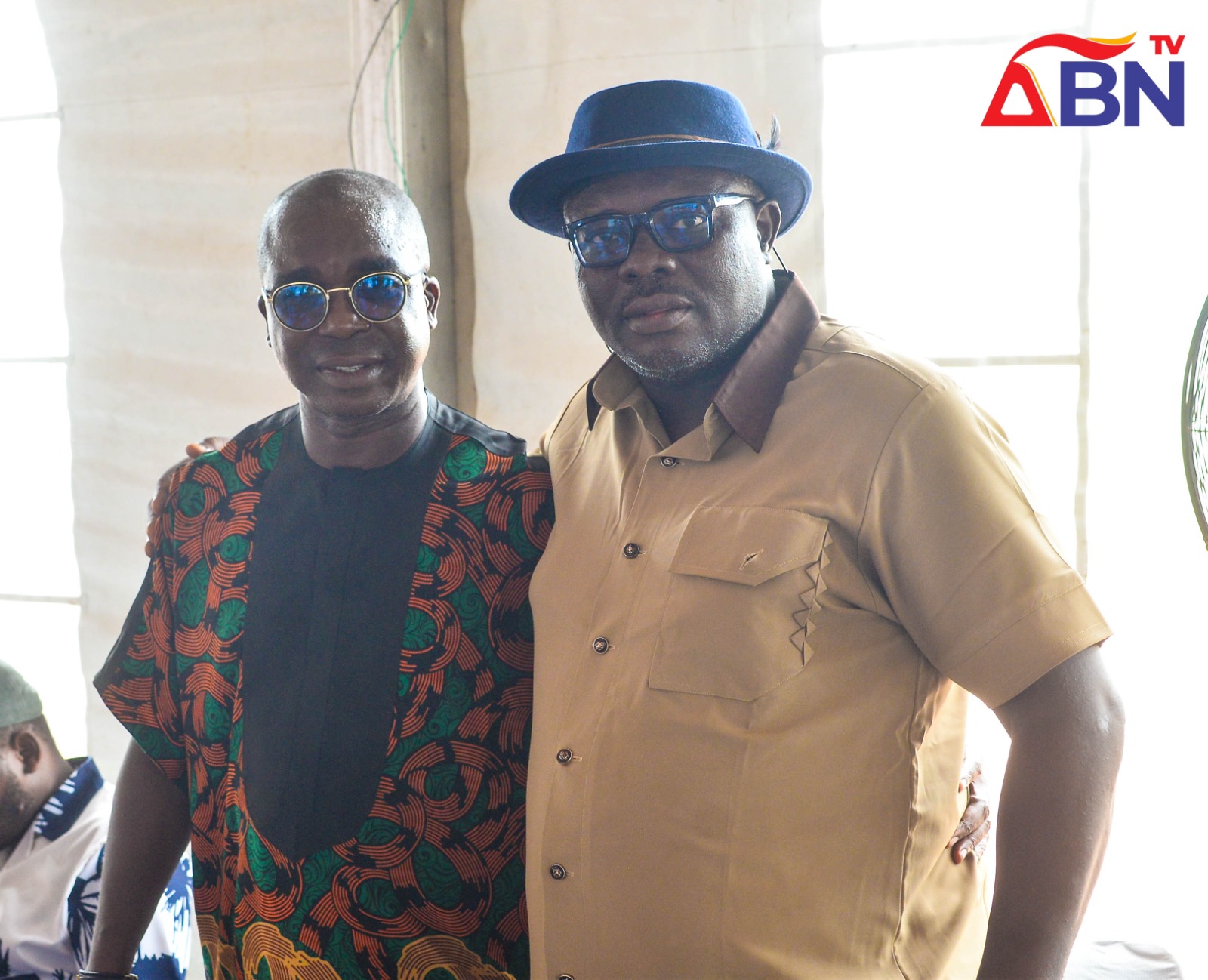
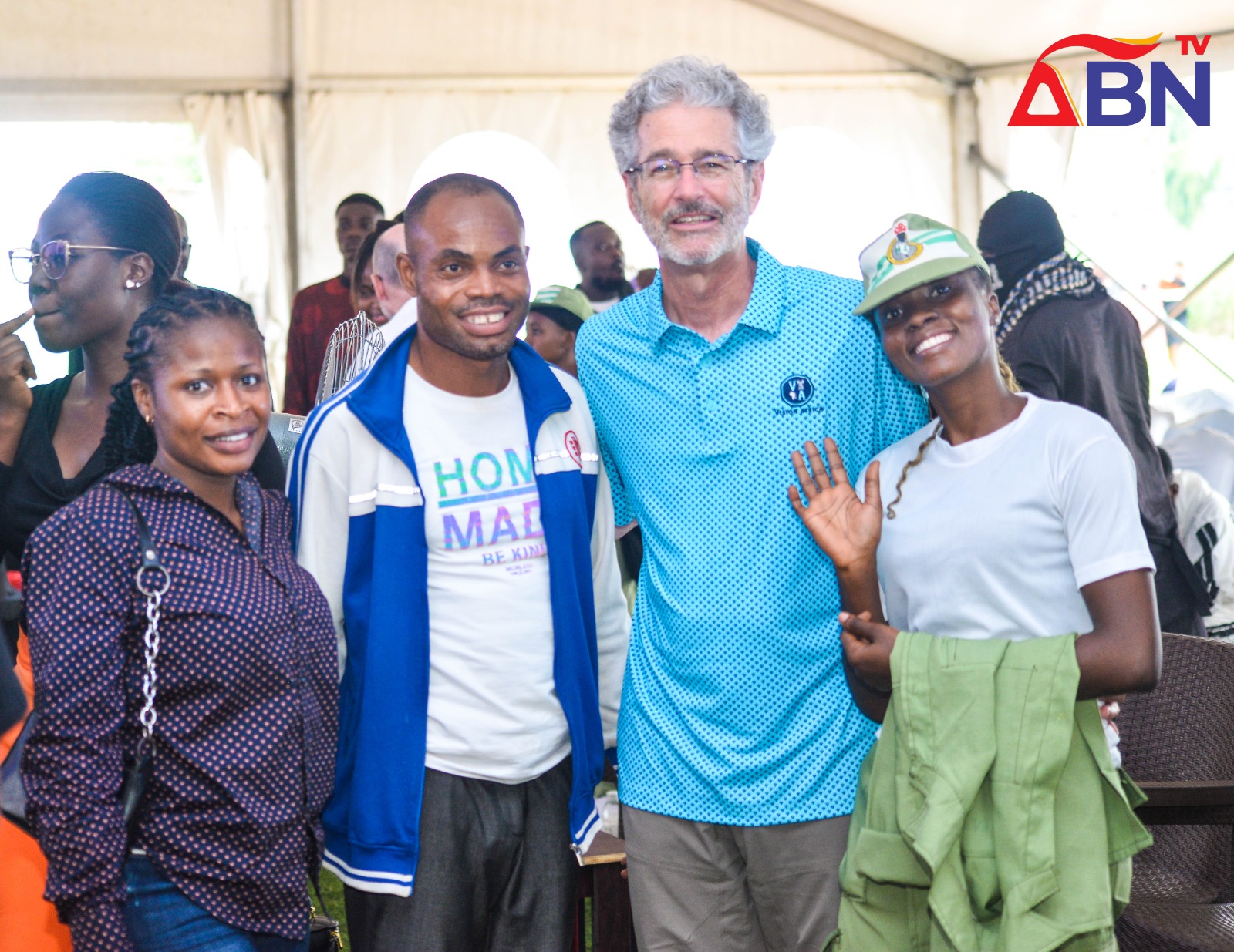
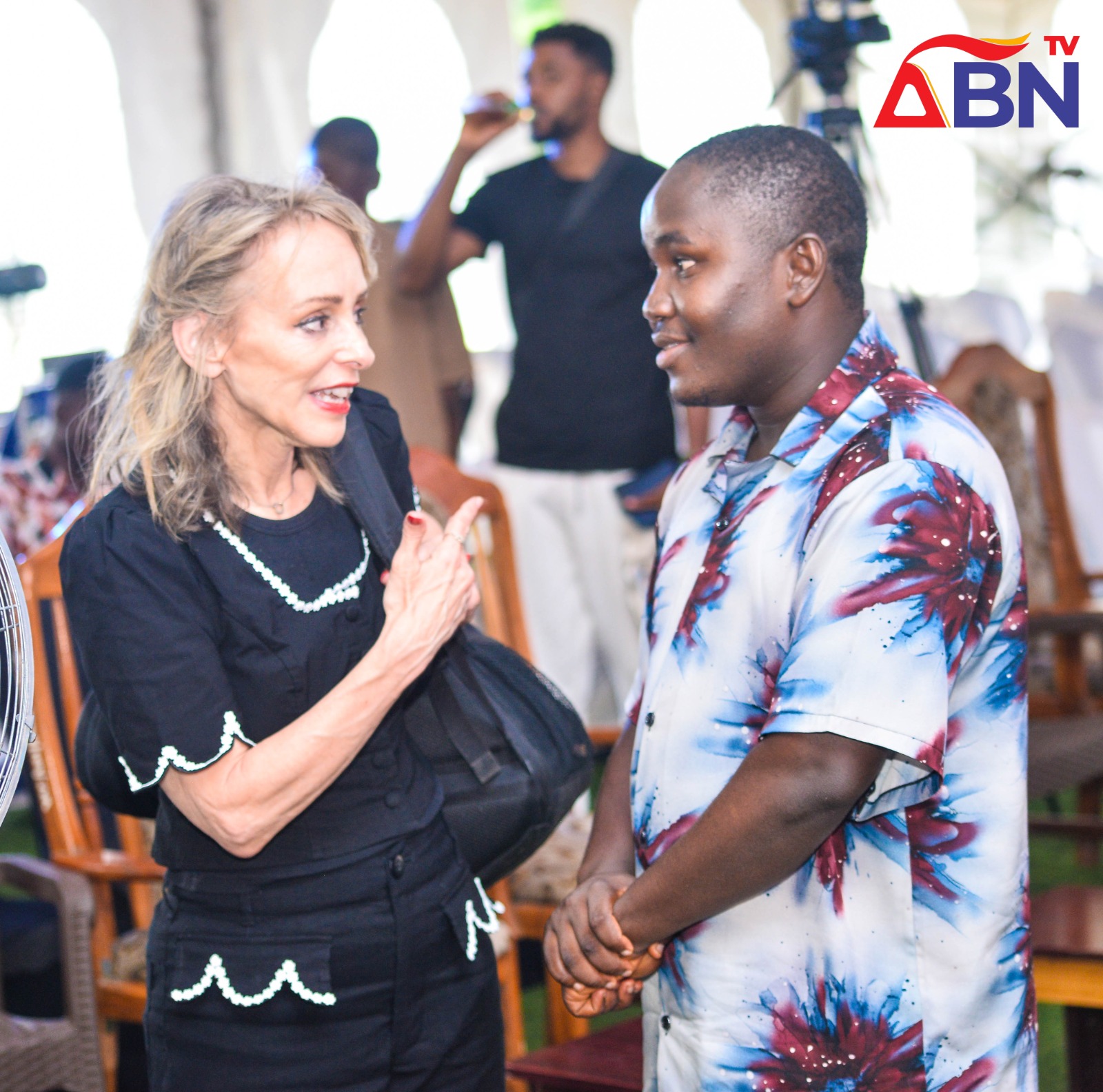
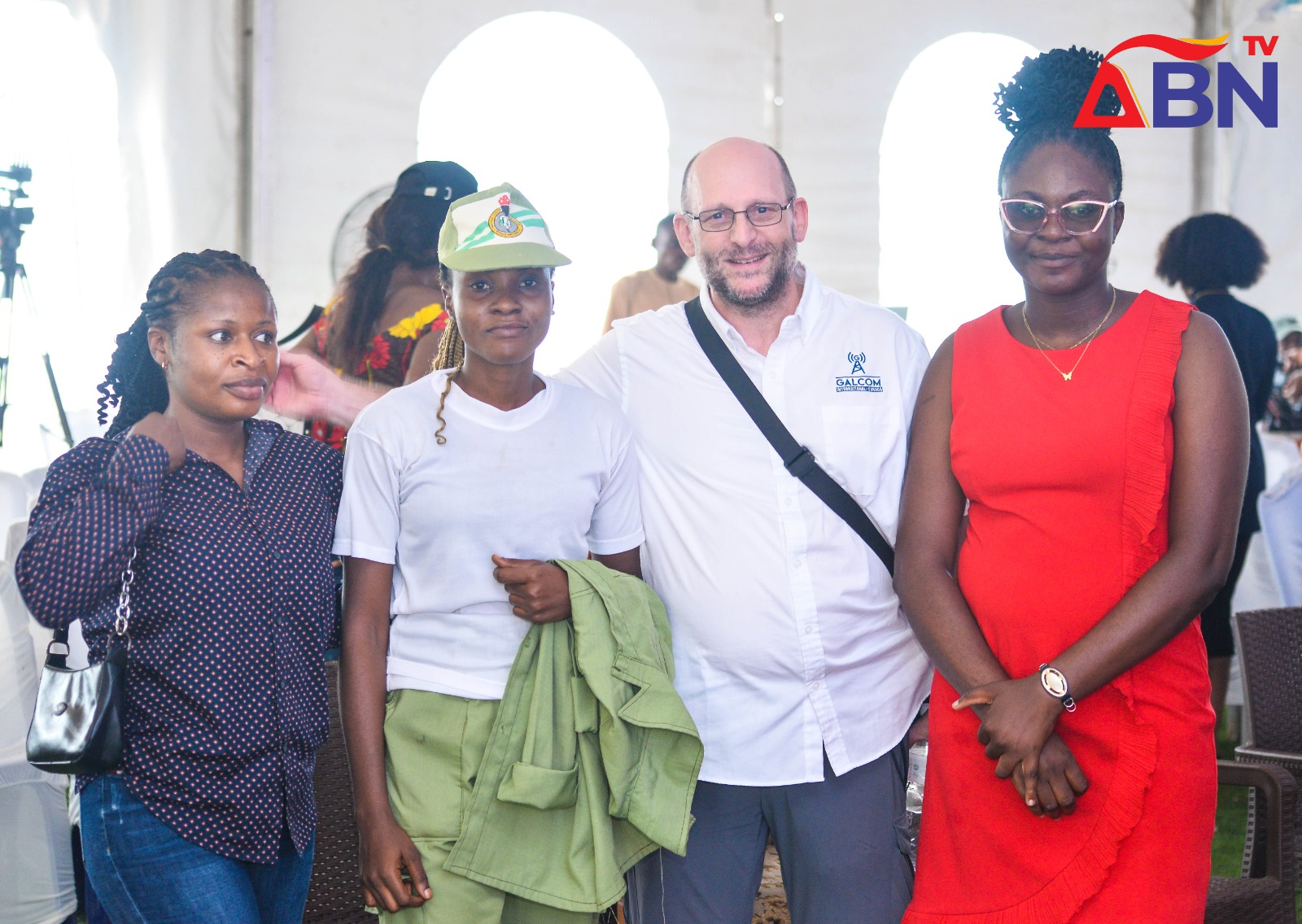
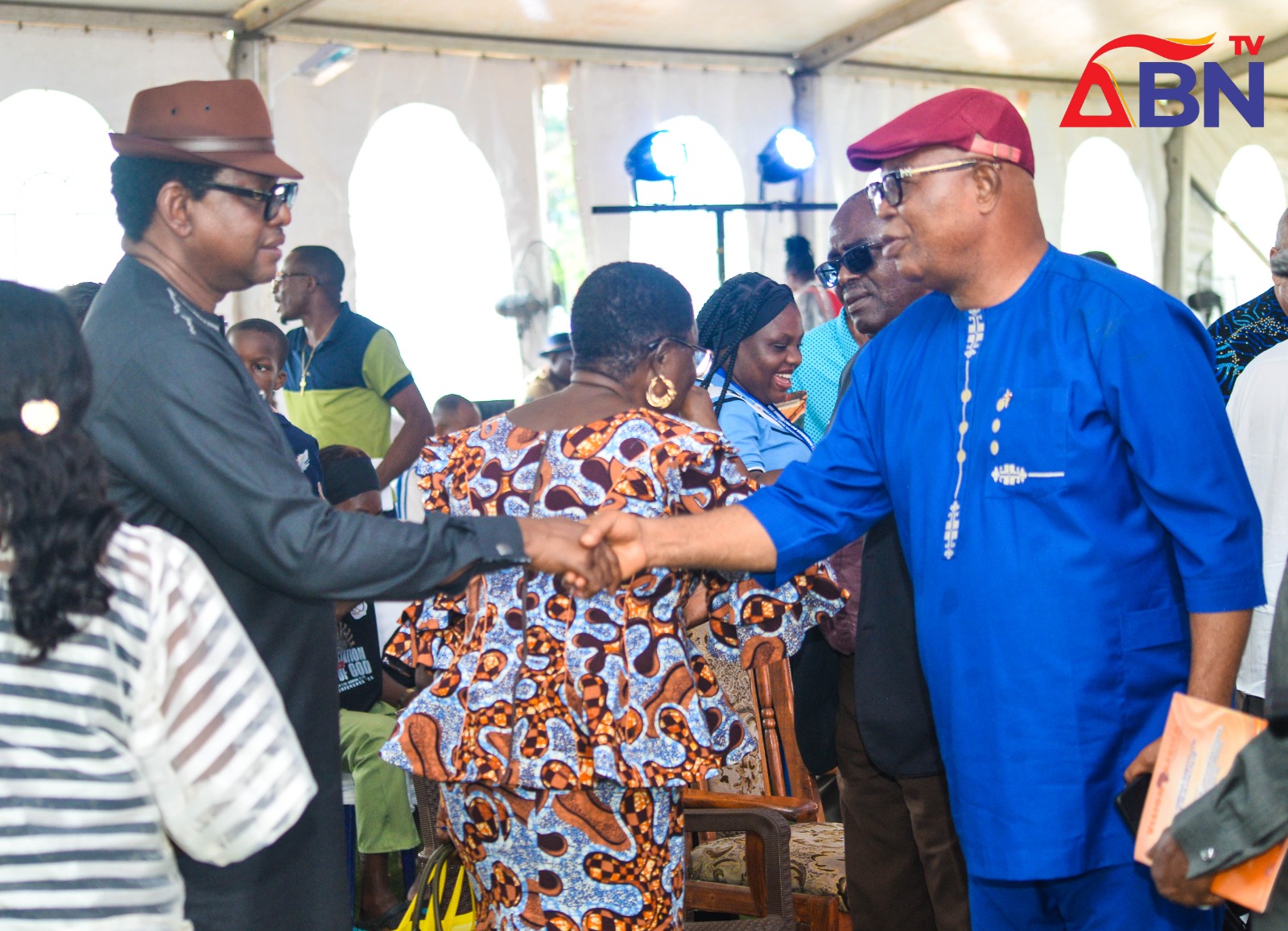
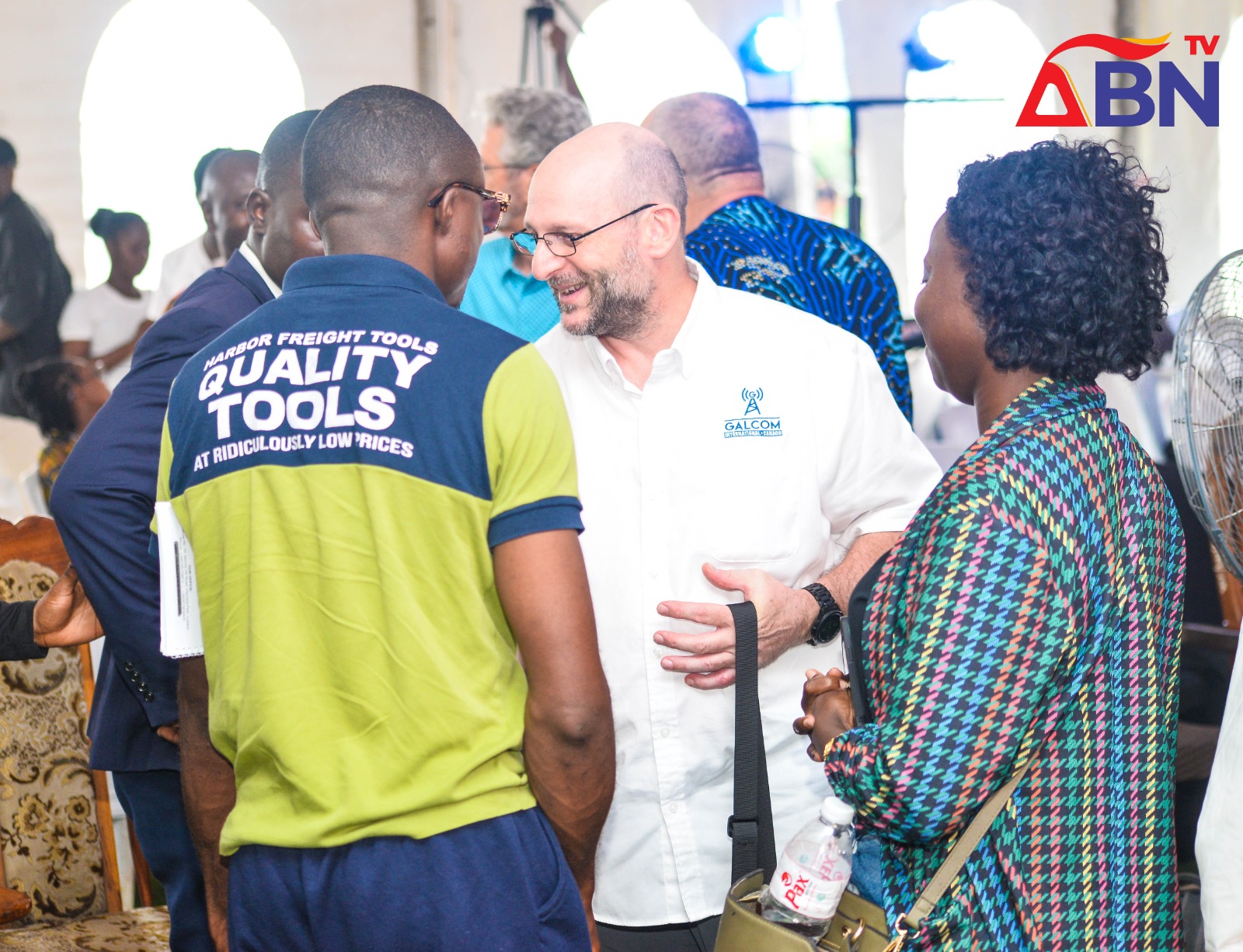
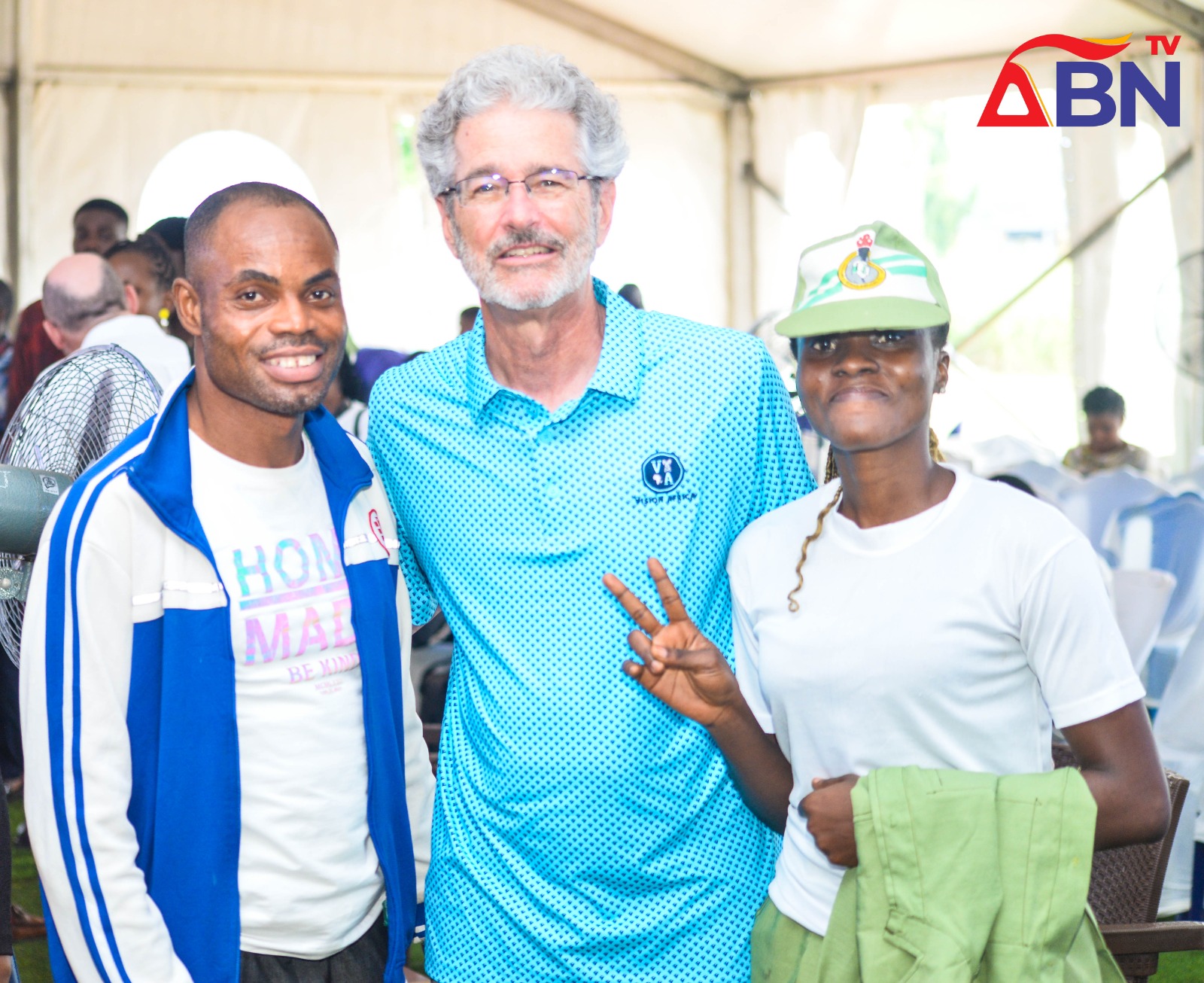
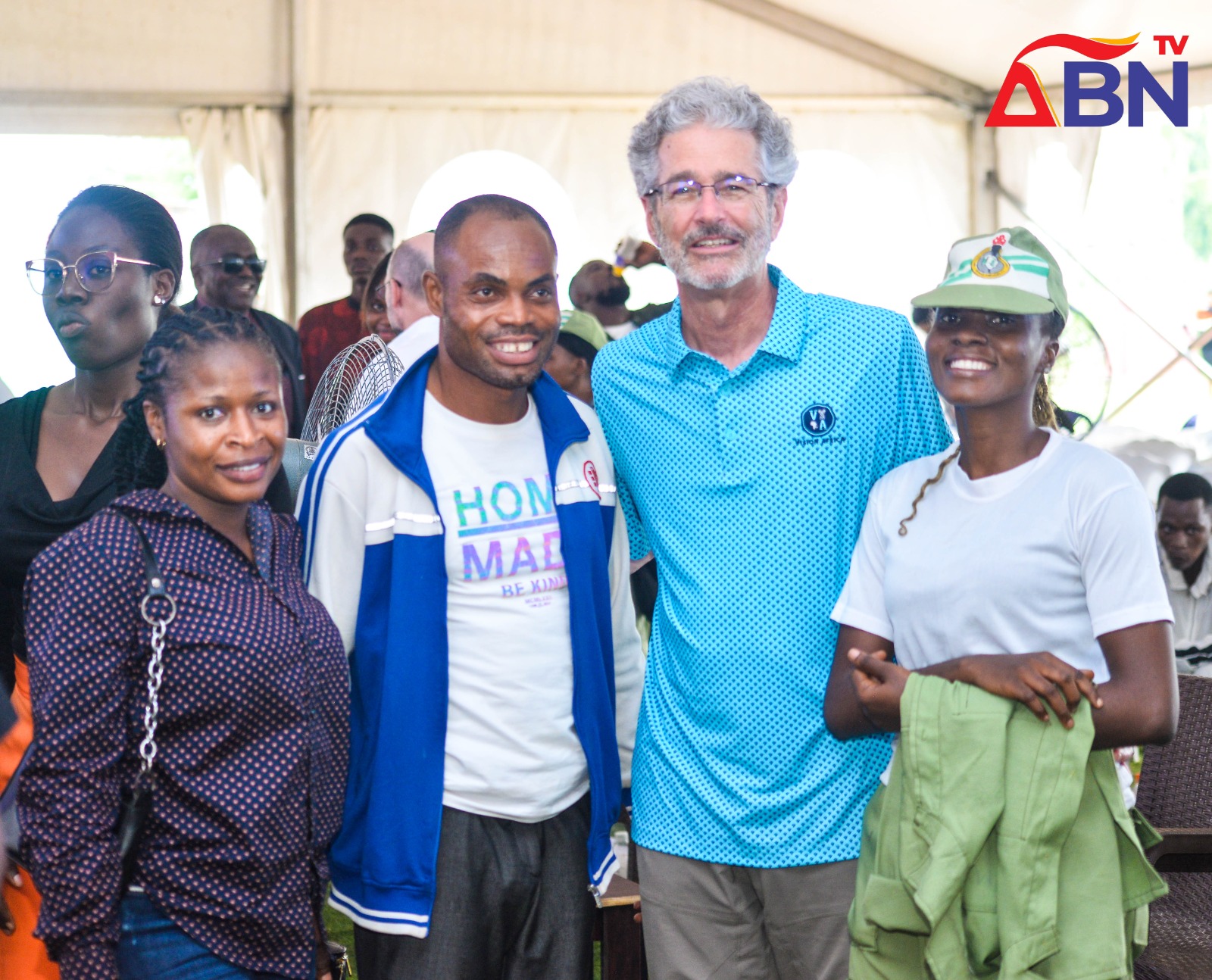
The 13th Edition of the Vision Africa Media Institute Training brings together media practitioners, communication experts, policymakers, and development professionals to explore the opportunities and challenges of media practice in the age of Artificial Intelligence.