Topnews
Benue Doctor Dies of Lassa Fever as State Restarts Outbreak Monitoring

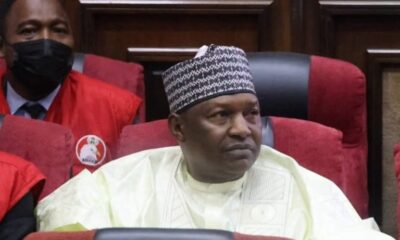
(Benue State Commissioner for Health and Human Services, Dr Paul Ejeh-Ogwuche. Photo by Nigerian Voice)
A senior medical doctor working with the AIDS Prevention Initiative in Nigeria in the Konshisha Local Government Area of Benue State has died following complications from Lassa fever.
The State Commissioner for Health and Human Services, Dr Paul Ejeh-Ogwuche, confirmed the development on Monday in Makurdi, saying the ministry had activated contact tracing and surveillance measures in response to the case.
According to him, the deceased battled the illness for over two weeks before his condition worsened, with his Lassa fever diagnosis only established after a friend suggested the possibility when his health failed to improve. A test subsequently returned a positive result.
Ogwuche said the death occurred at a time the state was preparing to be declared free of Lassa fever.
He noted that when arrangements were made to admit the doctor at the Benue State University Teaching Hospital in Makurdi, the deceased declined, requesting to be managed at home with drugs and injections.
Health authorities insisted he be taken to the teaching hospital for proper evaluation, but he was buried on Saturday, June 20, 2026.
The commissioner said the deceased worked with the APIN Foundation in Konshisha Local Government Area and hailed from Kwande Local Government Area.
The Commissioner further disclosed that initial investigations indicated the deceased had pre-existing kidney complications, which had complicated his condition.
He was subsequently referred to the University of Jos Teaching Hospital in Plateau State, where he later died. His remains were returned to Benue State and buried in accordance with Nigeria Centre for Disease Control and Prevention burial protocols on Saturday.
Following the renewed outbreak, Ogwuche said the ministry had intensified public awareness campaigns and reactivated response measures across communities.
Health authorities had also been placed on alert following recent updates on other infectious disease threats, including Ebola, with surveillance strengthened across health facilities.
He noted that contact tracing and case investigation had commenced, and added that the state had been on the verge of declaring the outbreak over after completing a 42-day incubation monitoring period, only for the new case to emerge.
A fresh cycle of observation would now be required before any such declaration could be made.