Viral
Again, Filling Stations Slash Petrol Prices Nationwide Following Dangote Refinery’s Latest Price Cut

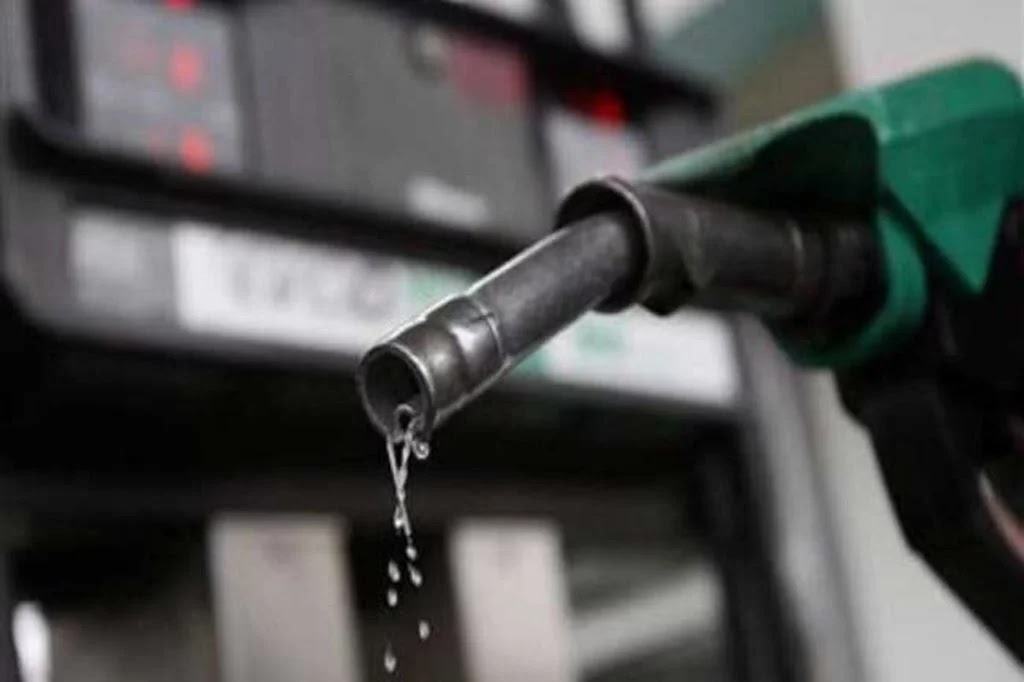
Several filling stations across Nigeria have begun reducing the pump price of Premium Motor Spirit (PMS), popularly known as petrol, following the recent downward review of ex-depot prices by Dangote Refinery.
A market survey conducted on Saturday showed that many retail outlets in Abuja and surrounding areas have adjusted their prices, offering motorists some relief after weeks of elevated fuel costs.
Among the stations that have implemented the new pricing are AA Rano, Ranoil, the Nigerian Independent Petroleum Company (NIPCO), and several other independent marketers operating within the Federal Capital Territory. These outlets now dispense petrol at prices ranging between ₦1,205 and ₦1,240 per litre, compared to the previous average of about ₦1,300 per litre.
The latest reduction comes barely two days after Dangote Refinery announced a cut in its petrol gantry price to ₦1,075 per litre. The refinery attributed the adjustment to the decline in global crude oil prices, with West Texas Intermediate (WTI) and Brent crude trading between $68 and $72 per barrel.
The refinery’s decision has continued to influence pricing across the downstream petroleum sector, prompting marketers supplied by Dangote Refinery to review their pump prices in line with the lower ex-depot rate.
Earlier, major fuel retailers had already begun implementing fresh price reductions. MRS Filling Stations, which sources products from Dangote Refinery, lowered its petrol price in Abuja to ₦1,191 per litre, while the Nigerian National Petroleum Company Limited (NNPCL) also adjusted its retail price to ₦1,210 per litre.
Industry observers say the latest wave of price cuts reflects the growing impact of market competition following the commencement of local refining by Dangote Refinery. The development has led to more frequent price reviews, with marketers adjusting their rates in response to changes in supply costs and international crude oil prices.
Despite the recent reductions, petrol prices remain significantly above the levels recorded before tensions in the Middle East triggered sharp increases in global oil prices. Pump prices are yet to fall below ₦1,000 per litre, a benchmark many consumers hope could eventually be restored if crude oil prices remain stable and competition in the domestic market continues to intensify.
Motorists and businesses have welcomed the latest price adjustments, expressing optimism that further reductions could ease transportation costs and help slow rising inflation. However, analysts maintain that the sustainability of lower fuel prices will depend largely on movements in the international oil market, exchange rate stability, and the pricing policies adopted by local refiners and fuel marketers in the coming weeks.