Special Report
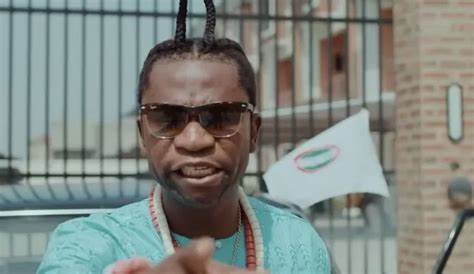
‘Your wealth doesn’t reflect’ :-Speed Darlington slams Portable

Nigerian rapper Speed Darlington has taken a swipe at fellow singer Portable, questioning the authenticity of his reported wealth.
The “Bangdadadang” crooner remarked on a recent livestream with content creator Peller, where he explained his decision to avoid uploading his music to the streaming platform Audiomack.
During the session, Peller encouraged Speed Darlington to follow Portable’s example by distributing his music on Audiomack and similar platforms to reach a wider audience.
However, the rapper dismissed the idea, insisting that streaming services do not generate meaningful income for artists.
“I can’t see any proof of money on Portable,” he said, suggesting that the singer’s financial success is not evident.
Speed Darlington maintained that he prefers a direct-to-consumer approach, adding that anyone interested in his music would have to pay for it.
“Anyone who wants to listen to my music must pay for it,” he stated.
His comments come amid ongoing conversations in the Nigerian music industry about the profitability of digital streaming. While platforms like Audiomack, Spotify, and Apple Music have expanded access to global audiences, some artists have raised concerns about low earnings compared to traditional revenue streams such as live performances and endorsements.
Speed Darlington’s stance reflects a growing scepticism among certain independent artists who feel that streaming platforms favour visibility over substantial financial returns.
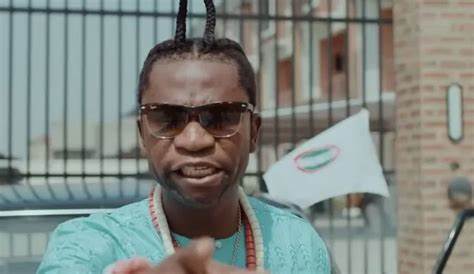
Interestingly, Speed Darlington’s criticism follows recent comments by Portable himself, in which he admitted struggling to generate significant income from streaming despite having a large fanbase.
The singer had appealed to music executive Michael Collins Ajereh for support in digital marketing, noting that his songs were being streamed globally but not translating into expected revenue.
This apparent contradiction has fuelled further debate, with some observers pointing out that streaming success does not always equate to financial prosperity, especially without proper monetisation strategies.
Reactions to Speed Darlington’s remarks have been mixed. Some fans agree with his perspective, arguing that many artists exaggerate their earnings from streaming platforms. Others, however, believe his comments were unnecessarily dismissive of Portable’s efforts and success.
Industry analysts note that while streaming may not be highly lucrative for all artists, it remains a critical tool for exposure, brand building, and long-term growth, particularly in an era where digital consumption dominates music distribution.
Ultimately, the exchange highlights differing approaches within the industry. While artists like Portable continue to leverage streaming platforms to expand their reach, Speed Darlington appears committed to a more exclusive, pay-to-access model.
As the Nigerian music landscape continues to evolve, debates around revenue, visibility, and sustainability are likely to persist, shaping how artists choose to distribute and monetise their work.
For more details, visit New Daily Prime at www.newdailyprime.news.